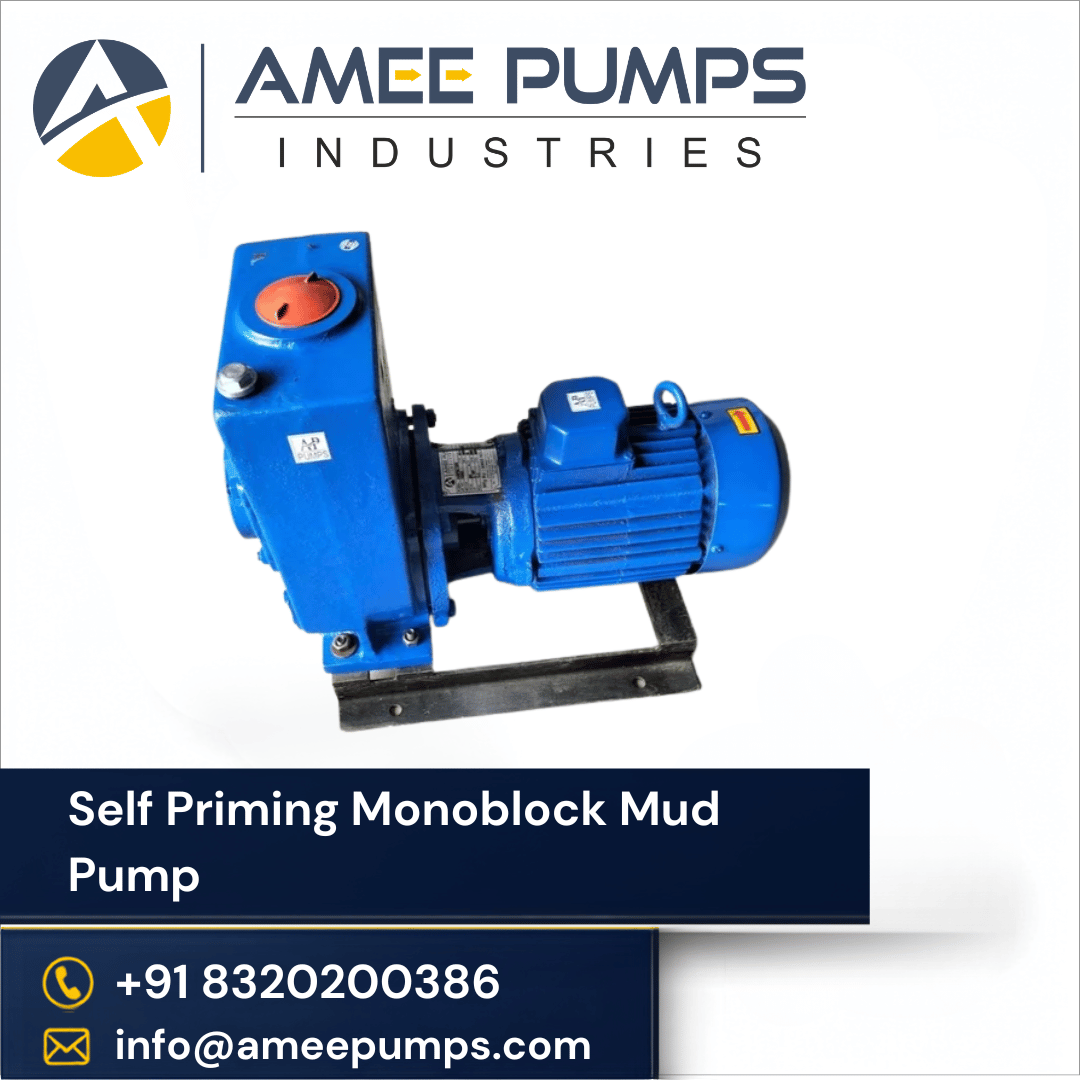
Self Priming Monoblock Mud Pump
In environments where dealing with sludge, muddy water, and industrial effluents is a daily challenge, the right pumping equipment is not just a convenience but a necessity. The Self Priming Monoblock Mud Pump stands out as a robust and efficient solution designed to tackle these demanding tasks. These pumps are engineered for reliability, ensuring that viscous fluids, abrasive solids, and wastewater can be handled effectively with minimal downtime. This guide delves into the core aspects of Self Priming Monoblock Mud Pumps, exploring their applications, key benefits, and essential considerations for buyers looking to invest in dependable fluid transfer technology.
Understanding the Self Priming Monoblock Mud Pump
A Self Priming Monoblock Mud Pump is a specialized piece of equipment designed to handle liquids with high solids content, such as mud, sludge, sewage, and other industrial waste. The term "Self Priming" refers to its ability to automatically evacuate air from the suction line and pump casing, allowing it to draw liquid into the pump without the need for manual priming. This is a crucial feature, especially when dealing with challenging fluid conditions where air pockets can disrupt operation. The "Monoblock" design signifies that the pump and motor are integrated into a single, compact unit, often leading to a simpler installation and a more space-efficient footprint. These pumps are distinguished by their non-clogging capabilities, designed to pass solid particles without causing blockages, making them ideal for continuous and demanding operations.
Key characteristics include their ability to handle fluids at elevated temperatures (up to 100°C) and high viscosity (up to 100 mm/sec). The robust construction, often utilizing durable materials like Cast Iron (CI) and various grades of Stainless Steel (SS304, SS316, SS316L), ensures resistance to abrasive particles and corrosive environments. This combination of self-priming functionality, solids-handling capacity, and durable build makes the Self Priming Monoblock Mud Pump an indispensable tool across a variety of industrial and municipal applications.
Versatile Applications Across Industries
The adaptability and robust performance of Self Priming Monoblock Mud Pumps make them suitable for a wide array of critical applications:
Sewage and Wastewater Management
Effortlessly transfer raw sewage, effluent, and wastewater from collection points to treatment facilities, even with significant solid content.
Industrial Effluent Treatment
Ideal for pumping sludge, slurries, and polluted liquids from various industrial processes in plants such as chemical, textile, and pharmaceutical industries.
Construction and Site Dewatering
Effectively remove muddy water and dewater construction sites, excavations, and basements where standing water and debris are common.
Ceramic and Food Processing Industries
Handle clay slurries, waste from food processing, and other viscous materials common in these manufacturing sectors.
Dye and Intermediate Industries
Manage the transfer of chemical slurries and waste liquids, often with abrasive or corrosive properties, found in dye manufacturing.
General Pumping of Slurries
Suitable for any application requiring the reliable transfer of viscous fluids containing suspended solids, preventing pump clogging and ensuring smooth operation.
Key Benefits of Self Priming Monoblock Mud Pumps
Investing in a Self Priming Monoblock Mud Pump offers significant advantages for operational efficiency and reliability:
- Automatic Priming: Eliminates the need for manual priming, saving time and labor, especially in remote or difficult-to-access locations.
- Solids Handling Capability: Designed to pass solids up to 25 mm (depending on the model), preventing blockages and ensuring continuous flow of viscous and slurry-like fluids.
- Durability and Longevity: Constructed from robust materials like Cast Iron and Stainless Steel, providing excellent resistance to abrasion and corrosion for extended service life.
- Versatility: Capable of handling a wide range of challenging fluids, from muddy water and sewage to industrial slurries and viscous liquids.
- Compact Design: The monoblock construction integrates the pump and motor, resulting in a smaller footprint and easier installation.
- High-Temperature Tolerance: Suitable for pumping fluids up to 100°C, accommodating various industrial process requirements.
- Cost-Effectiveness: A technology-driven approach to manufacturing ensures precision and efficiency, offering reliable performance at a competitive value.
Choosing the Right Self Priming Monoblock Mud Pump
Selecting the appropriate Self Priming Monoblock Mud Pump involves careful consideration of your specific application needs. AMEE PUMPS INDUSTRIES, with its tech-driven approach and focus on precision, offers solutions tailored to demanding industrial environments. Here are key factors to consider:
💡 Buyer Insight: Always match the pump's solids-handling capacity to the size and nature of solids present in the fluid to prevent operational failures.
Critical Selection Criteria:
- Fluid Characteristics: Assess the viscosity, temperature, and presence of solids (size and concentration) in the liquid to be pumped. This dictates the required pump design and materials.
- Flow Rate and Head Requirements: Determine the volume of fluid to be moved per unit of time and the total vertical distance (head) the fluid needs to be lifted.
- Material Compatibility: For corrosive or abrasive fluids, select pumps constructed from appropriate materials like specific grades of stainless steel (SS304, SS316L) or high-quality Cast Iron.
- Operating Environment: Consider the site conditions, power availability, and any specific environmental regulations that may influence pump selection.
- Maintenance and Support: Look for manufacturers who offer reliable technical support and readily available spare parts to ensure minimal downtime.
Questions to Ask Before Buying:
- What is the maximum solids diameter the pump can handle without clogging?
- What is the maximum viscosity and temperature the pump is rated for?
- What materials of construction are used, and are they suitable for my specific fluid?
- What is the pump's priming time and its reliability in air-handling?
- What are the typical applications this pump model is designed for?
- What kind of technical support and after-sales service is available?
Requesting the Right Solution:
When contacting a supplier like AMEE PUMPS INDUSTRIES, provide detailed information about your application. This includes the exact nature of the fluid, expected flow rates, required head, operating temperature, and any specific site constraints. A clear understanding of these parameters will help the manufacturer recommend or design a Self Priming Monoblock Mud Pump that precisely meets your operational needs, ensuring efficiency and longevity.
AMEE PUMPS INDUSTRIES: Your Partner in Fluid Transfer
Established in 2009 and based in Ahmedabad, Gujarat, India, AMEE PUMPS INDUSTRIES is dedicated to manufacturing and supplying high-quality pumps. With a focus on a technology-driven approach, they emphasize precision engineering and cost-effectiveness in their product line, including specialized Self Priming Mud Pumps and Self Priming Mud Monoblock Pumps. The company aims to provide reliable solutions for challenging applications, designed to handle muddy water, sewage, polluted liquids, and waste materials efficiently. AMEE PUMPS INDUSTRIES is committed to client success, striving to deliver performance that meets demanding industrial requirements, including those in the ceramic, effluent treatment, sewage plant, and dye and intermediate sectors. They aim for 100% success on projects, backed by customer support via phone and email.
Maxtron Elemech, established in 1992, manufactures self-priming monoblock pumps under the AMEE brand, underscoring a strong legacy in pump technology associated with the AMEE name.
Frequently Asked Questions (FAQ)
What makes a mud pump "self-priming"?
A self-priming mud pump has an internal mechanism that allows it to automatically remove air from the suction line and pump casing. This enables it to draw liquid into the pump and start operating without requiring manual filling of the pump with water before each use.
Can these pumps handle very viscous fluids?
Yes, Self Priming Monoblock Mud Pumps are designed to handle viscous fluids effectively, often up to viscosities of 100 mm/sec, making them suitable for pumping sludges and slurries.
What is the advantage of a "monoblock" design?
The monoblock design integrates the pump and motor into a single unit. This typically results in a more compact and space-saving solution, simplifies installation, and can enhance overall operational stability.
Are these pumps suitable for abrasive materials?
Many Self Priming Monoblock Mud Pumps are constructed from durable materials like Cast Iron and Stainless Steel, which offer good resistance to abrasion, making them suitable for handling fluids with abrasive solids.
Get the Right Pumping Solution for Your Needs
Don't let challenging fluid transfer tasks slow down your operations. Explore the reliable and efficient Self Priming Monoblock Mud Pumps from AMEE PUMPS INDUSTRIES. With a commitment to quality and performance, we can help you find the perfect solution for your industrial, wastewater, or sewage application. Contact us today to discuss your specific requirements and discover how our technology-driven pumps can benefit your project.
Contact AMEE PUMPS INDUSTRIES