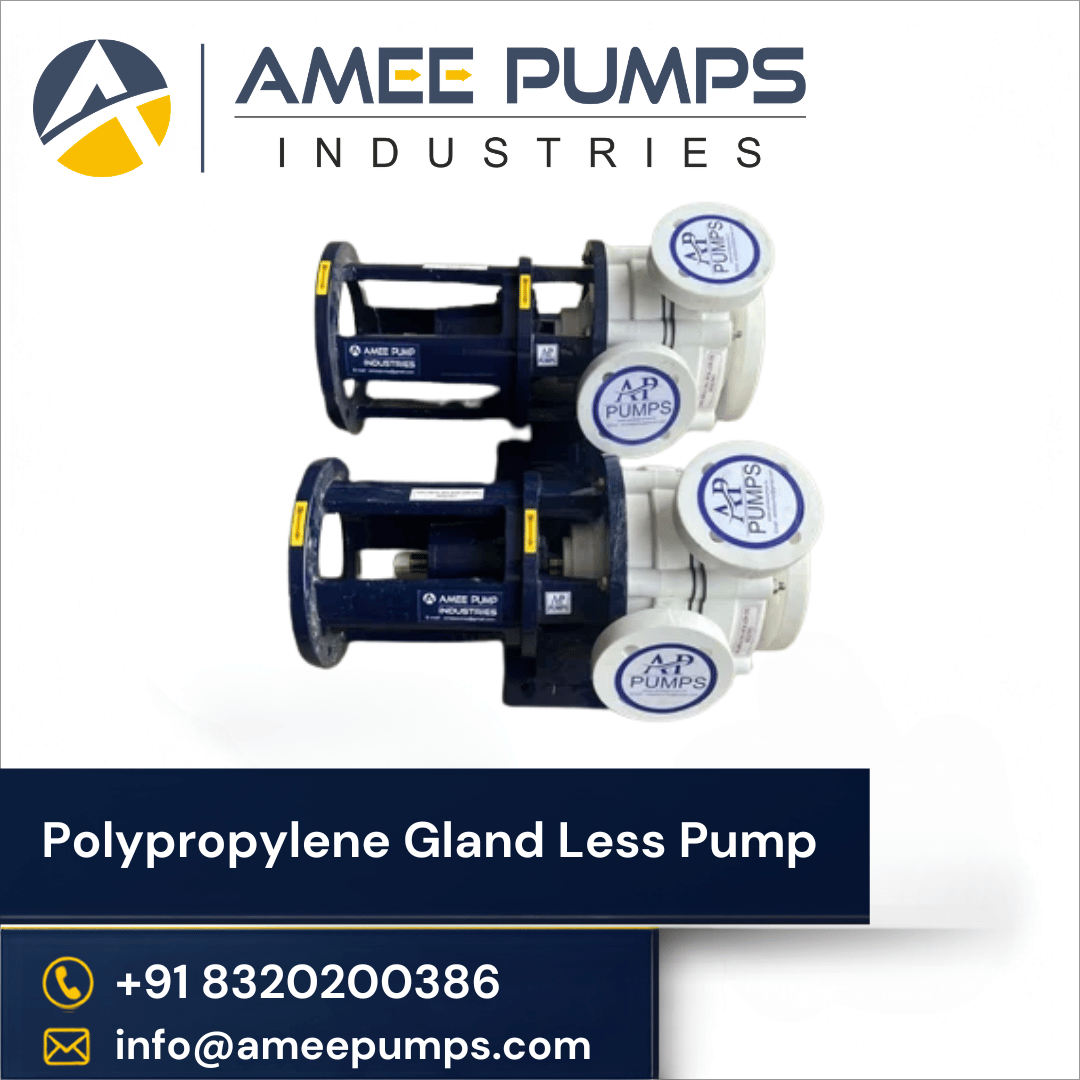
Polypropylene Gland Less Pump
When dealing with aggressive chemicals and corrosive fluids, standard pumps can quickly fail, leading to costly downtime, safety hazards, and environmental concerns. The solution lies in specialized pump technology designed for these challenging environments. A Polypropylene Glandless Pump offers a robust answer, combining the inherent chemical resistance of polypropylene with a leak-free design that eliminates potential failure points. This makes them indispensable for industries where fluid integrity and operational safety are paramount.
AMEE Pumps Industries specializes in providing advanced pumping solutions, including high-performance glandless pumps constructed from materials like Polypropylene. These pumps are engineered to deliver reliable performance, minimize maintenance, and ensure secure handling of a wide spectrum of chemical substances. Whether you are involved in chemical processing, wastewater management, or sensitive laboratory applications, understanding the capabilities of a polypropylene glandless pump is crucial for optimizing your operations.
Understanding the Polypropylene Glandless Pump
A glandless pump, also often referred to as a seal-less pump, operates without the traditional mechanical seals or gland packing found in conventional pumps. These sealing mechanisms are common points of failure, susceptible to wear and leakage, especially when exposed to abrasive or corrosive media. By eliminating these components, glandless pumps achieve true leak-free operation, enhancing safety and reliability.
Polypropylene (PP) is a thermoplastic polymer celebrated for its exceptional resistance to a vast array of chemicals, acids, and alkalis. This material is lightweight, durable, and significantly less prone to corrosion compared to metals in many aggressive chemical environments. Its inert nature makes it an ideal choice for applications where fluid purity must be maintained and contamination must be avoided.
When these two technologies converge, the result is a Polypropylene Glandless Pump. This type of pump is specifically engineered to handle corrosive liquids without the risk of leakage, making it a preferred choice for applications involving aggressive chemicals, strong acids, and caustics. The combination ensures that the pump not only withstands chemical attack but also operates with a high degree of containment and minimal environmental impact.
Key Applications and Use Cases
The unique properties of polypropylene glandless pumps lend themselves to a variety of demanding industrial and commercial applications:
Chemical Processing
Transferring aggressive acids, bases, solvents, and other corrosive chemicals in manufacturing processes without risk of leaks or contamination.
Wastewater Treatment
Handling corrosive effluents, pickling liquors, and chemical treatment fluids in industrial and municipal wastewater facilities.
Laboratories and R&D
Used in research and development settings for precise and safe handling of laboratory chemicals and reagents where purity is essential.
Pharmaceuticals and Food Grade
While specific grades of PP are used, these pumps can be suitable for transferring sensitive fluids where chemical inertness and high purity are required, preventing contamination.
Electroplating and Metal Finishing
Circulating and transferring plating baths, etchants, and cleaning solutions that are highly corrosive.
Practical Benefits of Polypropylene Glandless Pumps
Opting for a Polypropylene Glandless Pump brings significant advantages to operations involving hazardous fluids:
- Enhanced Safety: Eliminates the risk of hazardous fluid leaks, protecting personnel and the environment.
- Reduced Maintenance: Without mechanical seals to wear out, maintenance is significantly reduced, lowering operational costs.
- High Chemical Resistance: Polypropylene offers broad compatibility with a wide range of acids, bases, and solvents.
- Leak-Free Operation: Critical for hazardous materials, high-purity applications, and preventing fugitive emissions.
- Cost-Effectiveness: Lower maintenance needs and reduced downtime contribute to a lower total cost of ownership over time.
- Corrosion Prevention: Unlike metals, PP does not corrode, ensuring a longer service life in aggressive media.
Selecting the Right Polypropylene Glandless Pump
Choosing the appropriate pump involves considering several factors to ensure optimal performance and longevity. AMEE Pumps Industries advises careful evaluation:
Fluid Characteristics
Understand the exact chemical composition, concentration, temperature, and viscosity of the fluid to be pumped. Ensure the polypropylene material is compatible with all components it will contact.
Performance Requirements
Determine the necessary flow rate and head (pressure) required for your application. Ensure the pump can meet these demands consistently.
Operating Conditions
Consider the ambient temperature, potential for solids in the fluid, and any specific site requirements that might influence pump selection.
System Integration
Evaluate how the pump will integrate into your existing system, including connections, power supply, and control requirements.
Ensuring Quality and Reliability
When investing in a Polypropylene Glandless Pump, quality assurance is key. Look for manufacturers who adhere to robust manufacturing standards and provide reliable solutions. While specific certifications are not detailed here, focus on the supplier's commitment to quality in their product design and material selection. Asking detailed questions about material sourcing, manufacturing processes, and performance testing can provide valuable insights into a pump's reliability.
AMEE Pumps Industries: Your Partner for Chemical Pumping Solutions
AMEE Pumps Industries is dedicated to supplying robust and reliable pumping solutions for challenging chemical applications. Their range of glandless pumps, including those constructed from chemical-resistant Polypropylene, are designed to meet the stringent demands of industries working with corrosive fluids. By focusing on leak-free designs and durable materials, AMEE Pumps ensures operational safety, reduced downtime, and efficient fluid handling. Whether you require centrifugal pumps for general chemical transfer or specialized solutions for aggressive media, AMEE Pumps Industries offers expertise and a commitment to providing the right pump for your critical processes.
Frequently Asked Questions
What makes a pump "glandless"?
A glandless pump eliminates the need for traditional mechanical seals or gland packing. Instead, it typically uses a barrier or magnetic coupling to drive the impeller, thereby preventing any potential leakage of the pumped fluid.
Why is Polypropylene a good material for chemical pumps?
Polypropylene offers excellent resistance to a wide range of acids, bases, and solvents. It is non-corrosive and helps prevent contamination, making it ideal for handling aggressive chemicals where metal pumps might degrade.
Can Polypropylene Glandless Pumps handle high temperatures?
Polypropylene has temperature limitations. While it offers good chemical resistance at ambient temperatures, its strength and resistance can decrease at elevated temperatures. It's crucial to check the specific temperature ratings for the pump and material grade.
What are the main advantages of using a glandless pump over a sealed pump?
The primary advantage is guaranteed leak-free operation, which enhances safety, protects the environment, and reduces maintenance associated with seal wear and replacement. They are often preferred for hazardous or high-purity fluids.
Request Your Custom Pumping Solution
Ready to enhance safety and efficiency in your chemical fluid handling? Explore the reliable range of Polypropylene Glandless Pumps from AMEE Pumps Industries. Contact us to discuss your specific application requirements and let our experts help you find the perfect pumping solution.
Explore AMEE Pumps Solutions