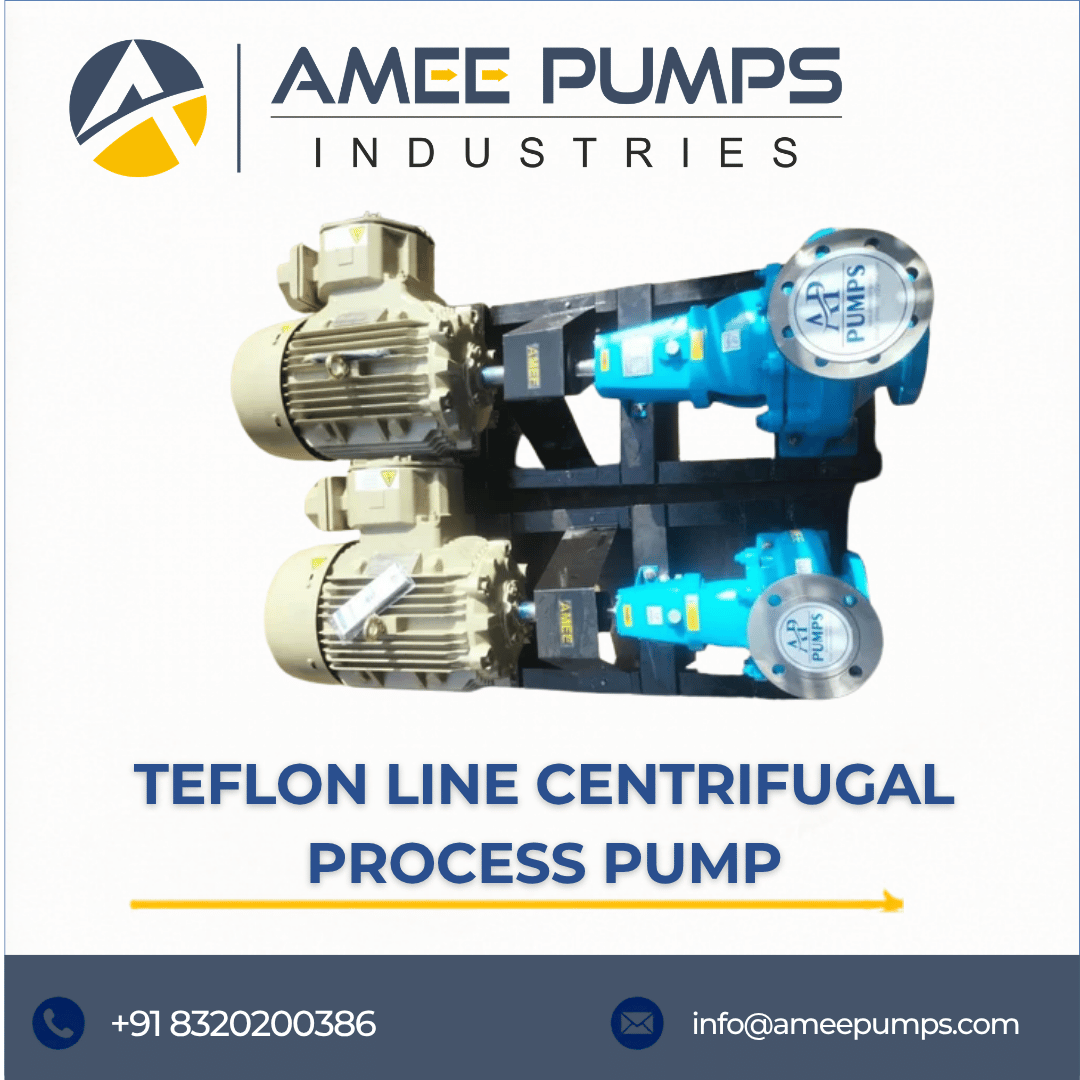
Teflon Line Centrifugal Process Pump
In industries where aggressive chemicals, corrosive substances, and toxic fluids are part of daily operations, the integrity and reliability of fluid handling equipment are paramount. A specialized solution for these challenging environments is the Teflon line centrifugal process pump. Engineered with advanced materials and design principles, these pumps are crucial for maintaining operational safety, process efficiency, and preventing costly equipment damage. This guide delves into the world of Teflon-lined centrifugal process pumps, exploring their construction, applications, advantages, and the key considerations for selecting the ideal unit for your specific industrial requirements.
What is a Teflon Line Centrifugal Process Pump?
A Teflon line centrifugal process pump, also known as a PTFE-lined centrifugal pump, is a type of industrial pump specifically designed to handle highly corrosive, aggressive, and often toxic liquids. The defining characteristic of these pumps is their internal lining, typically made of Polytetrafluoroethylene (PTFE), commonly referred to as Teflon. This non-reactive, chemically inert lining acts as a barrier, protecting the pump's structural components from the corrosive media, thereby extending the pump's lifespan and ensuring process purity.
These pumps operate on the principle of centrifugal force, where an impeller rotates within a casing to impart kinetic energy to the fluid, converting it into pressure energy for discharge. The robust construction, combined with the chemical resistance of the Teflon lining, makes them indispensable in environments where conventional pumps would quickly degrade.
Buyer Insight
When dealing with highly corrosive or toxic fluids, standard pump materials are often inadequate. A Teflon line centrifugal process pump offers a superior solution by providing an inert barrier against chemical attack, ensuring both equipment longevity and operational safety.
Key Features and Design Elements
The effectiveness of a Teflon line centrifugal process pump stems from its thoughtful design and the selection of high-performance materials. Several key features contribute to their reliability and chemical resistance:
- PTFE Lining: The most critical feature is the extensive lining of wetted parts, including the casing, impeller, and sometimes the shaft sleeve, with virgin PTFE or PFA. This material offers exceptional resistance to a wide spectrum of chemicals, including strong acids, alkalis, solvents, and oxidizing agents.
- Closed Impeller Design: Many models utilize a closed impeller design. This configuration not only enhances hydraulic efficiency but also minimizes the exposure of the fluid to the pump shaft and bearings, further protecting these components from corrosive attack.
- Robust Casing: The pump casing is typically constructed from robust materials like cast iron or ductile iron, often with a thicker wall design to withstand pressure and external forces. This outer shell provides structural integrity and support for the PTFE lining.
- Mechanical Seals: Advanced sealing systems, often double mechanical seals with barrier fluid, are employed to prevent leakage of hazardous or valuable fluids and to protect the pump's bearings and motor from corrosive vapors. Materials compatible with the process fluid are selected for seal faces.
- ANSI/ASME Standards: Many Teflon-lined process pumps are designed and manufactured to comply with international standards such as ANSI/ASME B73.1 or ISO 15783, ensuring interchangeability, reliability, and adherence to global safety benchmarks.
- Temperature Resistance: While PTFE itself has a high-temperature limit, the overall pump's operating temperature range is influenced by the casing material and seal design, typically accommodating fluids from -10°C up to +120°C, with some advanced models capable of handling up to 200°C.
Diverse Applications and Use Cases
The exceptional chemical resistance and reliability of Teflon line centrifugal process pumps make them suitable for a vast array of demanding industrial applications. Their ability to handle aggressive media safely and efficiently is crucial across numerous sectors:
Chemical Processing
Transferring strong acids (like HCl, sulfuric acid), alkalis, solvents, and other corrosive intermediates or finished products.
Pharmaceuticals
Handling high-purity chemicals, solvents, and intermediates where contamination must be avoided.
Petrochemicals
Managing corrosive byproducts, catalysts, and processing fluids in refining and chemical synthesis.
Effluent Treatment
Pumping acidic or alkaline wastewater and chemical treatment solutions in wastewater treatment plants.
Pulp and Paper
Handling corrosive chemicals used in bleaching, pulping, and processing.
Steel and Metal Finishing
Circulating pickling acids, plating solutions, and other corrosive agents in metal treatment processes.
Gas Scrubbing
Circulating scrubbing liquids for removing corrosive gases and pollutants from industrial emissions.
Benefits of Using Teflon Lined Pumps
Implementing Teflon line centrifugal process pumps offers significant advantages for industries dealing with challenging fluid transfer requirements:
- Exceptional Chemical Resistance: The inert nature of PTFE provides unparalleled protection against a broad spectrum of corrosive chemicals, preventing degradation and extending pump life.
- Reduced Contamination: The non-reactive lining ensures that the pumped fluid remains pure, critical for industries like pharmaceuticals and food processing where product integrity is vital.
- Enhanced Safety: By reliably containing hazardous and toxic fluids, these pumps minimize the risk of leaks, spills, and associated environmental and personnel safety hazards.
- Lower Maintenance Costs: The durability and resistance of the lining lead to reduced downtime and fewer replacement parts compared to pumps made from less resistant materials, lowering overall operational expenses.
- Versatility: Suitable for a wide range of applications and fluid types, making them a flexible solution for diverse industrial needs.
- Cost-Effectiveness: Despite the advanced materials, the extended service life and reduced maintenance contribute to a lower total cost of ownership over time.
Selecting the Right Teflon Line Centrifugal Process Pump
Choosing the correct Teflon line centrifugal process pump is crucial for optimal performance and longevity. Consider the following factors:
Key Selection Criteria
Fluid Characteristics
- Chemical Composition: Identify all chemicals in the fluid, their concentrations, and potential for interaction.
- Temperature: Determine the operating temperature range, including potential fluctuations.
- Viscosity: Understand the fluid's viscosity, as it affects pump performance.
- Solids Content: Assess if the fluid contains any abrasive solids.
Performance Requirements
- Flow Rate: Specify the required flow rate (e.g., m³/hr).
- Head: Determine the total dynamic head the pump needs to overcome (in meters).
- Suction Conditions: Understand Net Positive Suction Head Available (NPSHa).
Pump Specifications
- Lining Material: Confirm virgin PTFE or PFA lining.
- Impeller Type: Consider open vs. closed impeller based on fluid properties.
- Seal Type: Select appropriate mechanical seal configuration (e.g., single, double) and materials compatible with the fluid.
- Flange Connections: Ensure compliance with required standards (e.g., ANSI/ASME B16.5).
- Standards Compliance: Verify adherence to relevant industry standards (e.g., ANSI/ASME B73.1).
Questions to Ask Before Buying
- What is the exact chemical composition and concentration of the fluid being pumped?
- What is the maximum and minimum operating temperature?
- Does the fluid contain any suspended solids or abrasive particles?
- What are the required flow rate and head for the application?
- What type of mechanical seal is recommended for this specific fluid and operating conditions?
- Does the pump meet relevant industry standards (e.g., ANSI, ISO)?
- What is the expected lifespan and maintenance schedule for this pump model?
- Are spare parts readily available?
AMEE PUMPS INDUSTRIES: Your Partner for Process Pumps
For industries operating in challenging chemical environments, selecting a reliable and experienced pump manufacturer is critical. AMEE PUMPS INDUSTRIES, based in Ahmedabad, Gujarat, India, is dedicated to providing high-quality, tech-driven pumping solutions. Founded with a vision for precision and cost-effectiveness, the company leverages its expertise to design and manufacture centrifugal process pumps that meet rigorous industrial demands.
AMEE PUMPS INDUSTRIES offers a range of centrifugal pumps, including specialized chemical process pumps that can be engineered to handle corrosive and aggressive fluids. Their focus on a tech-driven approach ensures that each pump is designed for optimal performance, reliability, and longevity. With a commitment to delivering effective solutions, AMEE PUMPS INDUSTRIES aims to support your operations by providing robust equipment that minimizes downtime and maximizes efficiency, even when dealing with the most demanding chemical applications.
Frequently Asked Questions
Can Teflon line centrifugal process pumps handle high temperatures?
Teflon (PTFE) itself has a high-temperature limit, but the overall pump's operating range depends on the casing material and seal design. Many models can handle temperatures up to 120°C, with some specialized versions capable of operating at temperatures as high as 200°C.
What is the difference between PTFE and PFA lining in pumps?
Both PTFE (Polytetrafluoroethylene) and PFA (Perfluoroalkoxy) are highly chemically resistant fluoropolymers. PFA generally offers slightly better high-temperature performance and improved permeability resistance compared to PTFE. The choice often depends on the specific application's temperature and chemical exposure.
Are these pumps suitable for pumping pure water?
While Teflon line centrifugal process pumps are designed for corrosive fluids, they can certainly pump pure water. However, for applications involving only pure water and no corrosive elements, a standard stainless steel or other chemically compatible pump might be more cost-effective unless there's a specific need for the absolute inertness and high purity assurance that Teflon provides.
What kind of maintenance do Teflon line centrifugal process pumps require?
Regular maintenance typically involves inspecting the mechanical seal for any signs of wear or leakage, checking the pump's bearing lubrication (if applicable), ensuring the motor is functioning correctly, and periodically inspecting the casing and impeller for any damage or buildup. The inert lining itself requires minimal maintenance but should be monitored for integrity.
Ready to Secure Your Chemical Processes?
Ensure the safety, efficiency, and reliability of your operations with high-performance Teflon line centrifugal process pumps. Contact AMEE PUMPS INDUSTRIES today to discuss your specific application requirements and get a tailored solution designed for your most challenging fluid handling needs.
Explore AMEE PUMPS Solutions