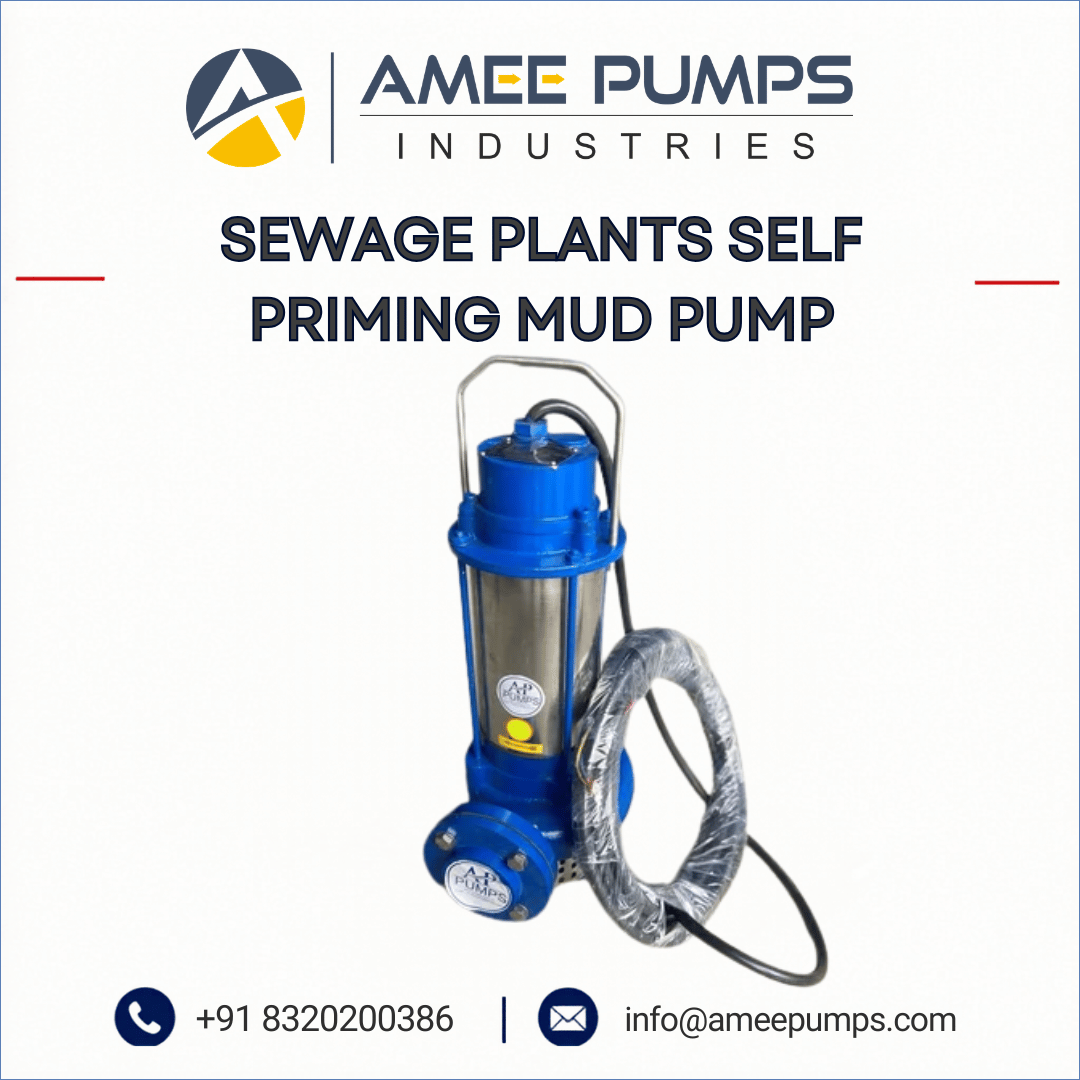
Sewage Plants Self Priming Mud Pump
Handling challenging fluids like mud, sewage, and effluent in treatment plants requires robust and reliable pumping solutions. The Self Priming Mud Pump stands out as a critical piece of equipment, engineered to tackle these demanding tasks with efficiency and ease. These specialized pumps are designed not just for power, but for intelligent operation, ensuring smooth performance even in the most difficult conditions. Understanding the nuances of these pumps is key to maintaining operational continuity and effectiveness in sewage and effluent management.
Understanding Self Priming Mud Pumps
A Self Priming Mud Pump, often referred to as a self-priming non-clog mud or sewage pump, is an industrial workhorse designed for the unique challenges presented by viscous fluids, abrasive solids, and wastewater. Unlike conventional pumps, self-priming pumps feature a design that allows them to automatically draw liquid into the pump casing and expel air, enabling them to start pumping without needing to be manually primed. This automatic air release during priming is a significant operational advantage, especially in applications where the pump may be intermittently submerged or where reliable startup is paramount.
These pumps are engineered to handle fluids that can contain significant amounts of solids, making them indispensable for processes involving sludge, slurry, and general wastewater. Their ability to manage abrasive materials ensures longevity and consistent performance, reducing downtime and maintenance costs in critical infrastructure like sewage treatment facilities.
Key Features and Capabilities
The effectiveness of a Sewage Plants Self Priming Mud Pump lies in its specialized design and material construction. These pumps are built to perform under pressure and handle a variety of challenging media:
Automatic Self-Priming
Effortless startup without manual intervention. The pump automatically expels air for quick priming.
Solids Handling
Designed to pass solids up to 25 mm, preventing blockages and ensuring continuous flow.
Temperature Resistance
Capable of handling fluids at operating temperatures up to 100°C.
Viscosity Management
Suitable for viscous fluids with viscosity up to 100 mm/sec.
Durable Materials
Constructed from robust materials like Cast Iron (CI) and Stainless Steel (SS304, SS316, SS316L) for resistance to corrosion and abrasion.
Applications in Sewage and Effluent Treatment
The versatility and performance of self-priming mud pumps make them ideal for a range of critical applications within sewage and effluent treatment processes:
- Effluent Treatment Plants (ETP): Efficiently transfer raw sewage, sludge, and treated effluent between various stages of the treatment process.
- Sewage Plants: Handle raw sewage, grit, and sludge, ensuring smooth operation of municipal and industrial sewage systems.
- Dewatering Operations: Remove accumulated water and sludge from construction sites, pits, and low-lying areas where wastewater management is crucial.
- Industrial Waste Management: Transfer viscous industrial byproducts and waste streams that require robust pumping capabilities.
- Slurry and Mud Transfer: Ideal for applications involving the transfer of thick slurries and mud with abrasive solid content.
Buyer's Guide: Selecting the Right Self Priming Mud Pump
Choosing the correct Self Priming Mud Pump is vital for ensuring operational efficiency, longevity, and cost-effectiveness. Consider the following factors:
Buyer Insight:
Always prioritize pumps designed for non-clog operation and automatic air release when dealing with sewage and mud. This feature significantly reduces operational headaches and ensures reliability.
| Consideration | Key Questions & Factors |
|---|---|
| Fluid Characteristics | What is the typical viscosity? What is the maximum size and concentration of solids? What is the operating temperature? |
| Capacity & Head Requirements | What is the required flow rate (m³/hr)? What is the total head the pump needs to overcome (mtr)? What is the discharge pressure needed (kg/cm²)? |
| Material of Construction | Is the fluid corrosive or abrasive? Cast Iron is standard, but Stainless Steel options (SS304, SS316, SS316L) may be needed for specific chemical resistance. |
| Priming Capability | How quickly and reliably does the pump need to self-prime? This is crucial for intermittent duty or variable liquid levels. |
| Power Source & Site Conditions | Availability of electrical power, site space, and environmental considerations. |
Questions to Ask Before Buying:
- Does the pump meet the required flow rate and head specifications for my application?
- What is the maximum solid handling capability, and does it match the fluid I'm pumping?
- What materials are used, and are they suitable for the chemical and abrasive properties of the fluid?
- How efficient is the self-priming mechanism, and what is its maximum suction lift?
- What are the recommended maintenance procedures and expected lifespan?
AMEE PUMPS INDUSTRIES: Your Solution Provider
Established in 2009 and based in Ahmedabad, Gujarat, India, AMEE PUMPS INDUSTRIES specializes in designing and manufacturing high-quality pumps tailored for demanding industrial applications. With a tech-driven approach, the company is committed to delivering reliable solutions, including advanced Self Priming Mud Pumps for sewage plants and effluent treatment facilities.
AMEE PUMPS INDUSTRIES leverages its expertise to produce pumps that offer efficient performance, durable construction, and the critical self-priming capabilities required for wastewater management. Their focus on innovation and quality ensures that clients receive equipment designed to meet stringent operational requirements and deliver a high degree of success in project outcomes. They are dedicated to providing effective pumping solutions that address the complexities of mud, sewage, and effluent handling.
Frequently Asked Questions (FAQ)
What makes a mud pump "self-priming"?
A self-priming mud pump has an internal mechanism that allows it to evacuate air from the suction line and casing, enabling it to draw liquid and begin pumping without manual priming. This is achieved through a recirculation of fluid or a built-in air-water separator.
Can a self-priming mud pump handle solids?
Yes, self-priming mud pumps are specifically designed to handle abrasive solids and viscous fluids. Many models can pass solids up to 25 mm in size, preventing blockages in sewage and effluent applications.
What is the difference between a mud pump and a sewage pump?
While the terms are often used interchangeably for pumps handling similar media, a "mud pump" typically emphasizes its ability to handle abrasive solids and high viscosity, whereas a "sewage pump" is specifically designed for raw sewage and effluent, often with non-clog impeller designs.
What materials are typically used for self-priming mud pumps?
Common materials include Cast Iron (CI) for general-purpose use and durability. For more corrosive or chemically aggressive environments, Stainless Steel grades like SS304, SS316, or SS316L are often employed.
Ready for a Reliable Pumping Solution?
Ensure your sewage and effluent treatment operations run smoothly with high-performance Self Priming Mud Pumps. Contact AMEE PUMPS INDUSTRIES today to discuss your specific requirements and find the ideal pump engineered for your challenges.
Explore AMEE PUMPS Solutions