Bentonite Pumps in Gujarat
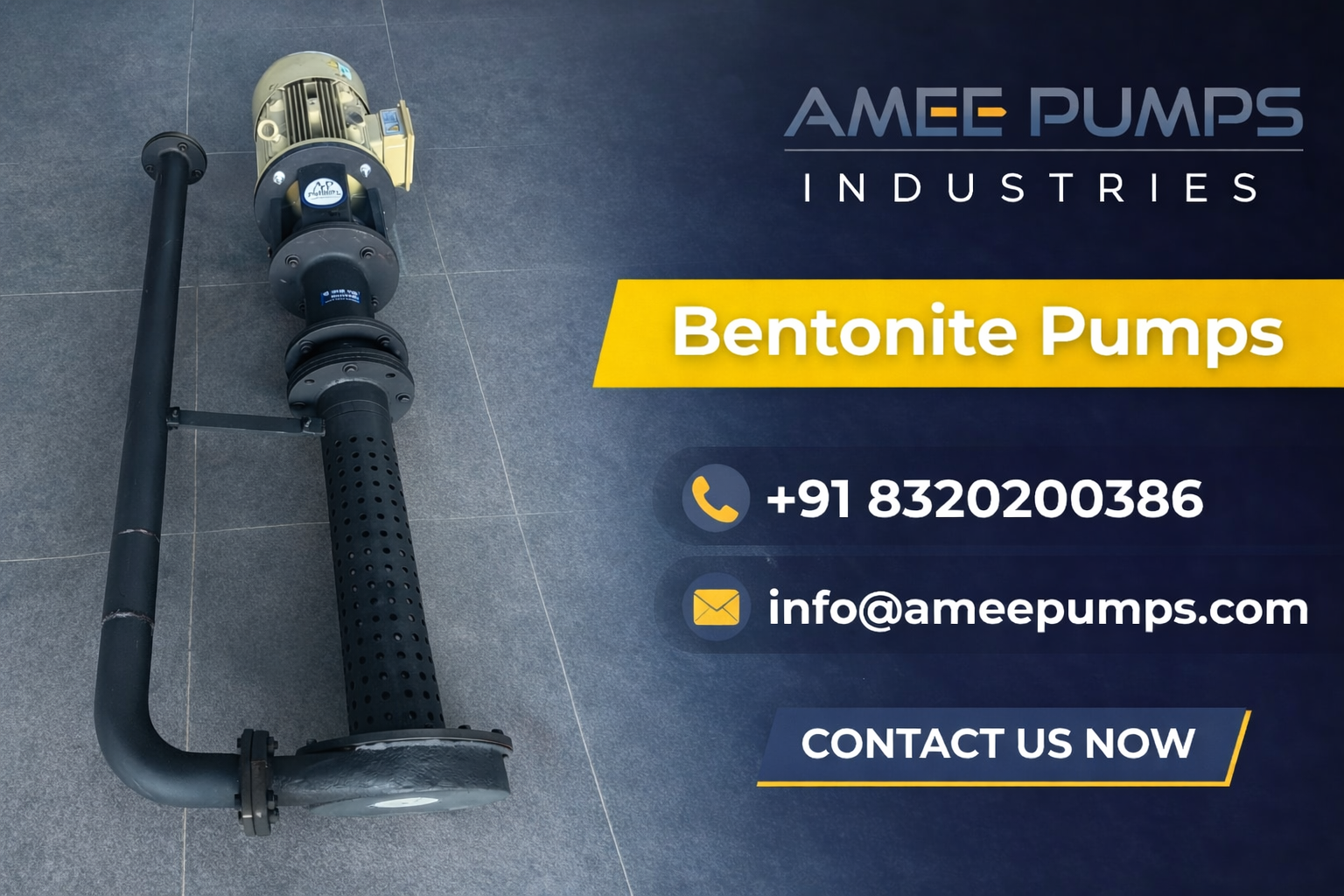
Bentonite Pumps
in Gujarat
Bentonite pumps play a crucial role in industries where thick, abrasive, and slurry-based fluids must be handled efficiently. In regions like Gujarat, where infrastructure development, drilling projects, and industrial activities are expanding rapidly, the demand for reliable slurry handling systems has grown significantly. These pumps are specifically designed to manage challenging materials such as bentonite mixtures, drilling mud, and sludge without compromising performance.
Industries involved in piling, borewell drilling, and construction require equipment capable of operating continuously under harsh conditions. Bentonite pumps are engineered to ensure smooth flow, minimize blockages, and maintain consistent output even when handling high-viscosity fluids. Their value lies not only in their functionality but also in supporting operational efficiency across demanding environments.
Understanding Bentonite Pumps and Their Function
Bentonite pumps are specialized systems developed to transfer slurry mixtures containing solid particles. These mixtures are commonly used in drilling operations, foundation work, and civil engineering applications. Unlike standard pumps, they are built to withstand abrasive materials while maintaining stable flow without clogging.
The core function of these pumps involves moving dense slurry through pipelines while maintaining consistent pressure and flow. Their design typically includes wear-resistant components and optimized internal structures that reduce friction and prevent sediment buildup. This enables continuous operation with minimal interruptions.
In industrial applications, bentonite slurry is used for lubrication, cooling, and stabilizing boreholes during drilling. Pumps used in such environments must handle varying densities and flow conditions. A well-designed bentonite pump ensures uninterrupted slurry circulation, which is critical for project efficiency and success.
Key Technical Features That Define Performance
Bentonite pumps are designed with a focus on durability, efficiency, and adaptability. Their technical configuration allows them to handle both high flow rates and abrasive materials effectively.
Importance of Bentonite Pumps in Gujarat's Industrial Landscape
Gujarat has developed into a major industrial hub with strong activity in construction, infrastructure, mining, and energy sectors. The demand for efficient fluid handling systems is closely linked to this growth. Bentonite pumps are widely used across the region due to their ability to manage heavy slurry and support large-scale operations.
Infrastructure projects such as highways, bridges, and commercial developments rely heavily on piling and foundation work. Bentonite slurry plays a vital role in these processes, and pumps ensure its continuous circulation. Without efficient pumping systems, maintaining borehole stability becomes difficult.
With ongoing industrial expansion, there is a growing need for equipment that can perform reliably under continuous use. Bentonite pumps meet this requirement by delivering consistent performance in high-load environments, making them an essential part of many operations.
Industrial Applications of Bentonite Pumps
Bentonite pumps are used across various industries where slurry handling is a critical process. Their adaptability allows them to perform efficiently in different operational conditions.
How Bentonite Pumps Improve Operational Efficiency
Operational efficiency is a key priority in industrial processes, and bentonite pumps contribute significantly to achieving it. Their design supports smooth fluid transfer while minimizing wear caused by abrasive materials.
One of the main advantages is their ability to operate continuously without clogging. This reduces downtime and helps ensure that projects are completed within expected timelines. Consistent flow rates also support uniform slurry distribution, which is essential in drilling and construction operations.
Maintenance is another important factor. Pumps equipped with wear-resistant components require less frequent servicing, helping to reduce long-term operational costs. This makes them a dependable solution for sustained industrial use.
Factors to Consider When Selecting Bentonite Pumps
Selecting the right bentonite pump is essential for achieving optimal performance. Several factors should be considered based on the application and working conditions.
Choosing a pump that aligns with these factors ensures efficient operation and reduces the likelihood of equipment failure. Proper evaluation also helps extend the lifespan of the system.
Role of Material and Design in Durability
The durability of a bentonite pump largely depends on the materials used in its construction. Since these pumps handle abrasive fluids, components must offer strong resistance to wear and corrosion. Materials such as cast iron and stainless steel are commonly used to improve longevity.
The internal design of the pump is equally important. Smooth flow paths and optimized impeller geometry help reduce turbulence and prevent clogging. This improves efficiency while minimizing damage caused by solid particles.
A well-engineered pump distributes operational stress evenly, reducing the risk of breakdown. This is especially important in applications that require continuous and heavy-duty performance.
Maintenance and Long-Term Performance
Regular maintenance is essential to ensure the long-term performance of bentonite pumps. Although they are designed for durability, periodic inspection helps identify potential issues before they escalate.
Routine cleaning and monitoring of critical components can significantly extend service life. Keeping track of flow rates and pressure levels also helps maintain consistent performance. Preventive maintenance reduces downtime and supports uninterrupted operations.
Proper usage in accordance with recommended guidelines further enhances reliability. When maintained correctly, bentonite pumps can deliver stable performance over extended periods.
Future Demand for Bentonite Pumps in Gujarat
With continuous infrastructure development and industrial growth, the demand for bentonite pumps in Gujarat is expected to rise steadily. Projects related to drilling, construction, and mining will continue to rely on efficient slurry handling systems.
Advancements in pump technology are also improving performance and durability. Modern designs incorporate better materials and optimized engineering, making them more effective for complex applications.
As industries focus on improving productivity and controlling operational costs, the adoption of advanced pumping systems is likely to increase. Bentonite pumps will remain a key component in supporting these evolving industrial needs.
Conclusion
Bentonite pumps are a reliable solution for industries handling slurry and abrasive fluids. Their robust construction, consistent performance, and adaptability make them suitable for a wide range of applications across Gujarat's industrial sector. As infrastructure and industrial activities continue to expand, the need for dependable pumping systems will increase. Selecting the right bentonite pump helps ensure smooth operations, reduced downtime, and long-term efficiency in demanding conditions.
Frequently Asked Questions
A bentonite pump is used to transfer slurry mixtures containing bentonite, mud, and abrasive particles. It is commonly used in drilling, construction, and mining operations where continuous slurry circulation is required.
Yes, these pumps are specifically designed to handle solid particles within slurry. They can typically manage particle sizes up to 20–30 mm without clogging.
They are widely used in infrastructure projects, borewell drilling, horizontal directional drilling, mining operations, and wastewater management systems.
Bentonite pumps are generally manufactured using cast iron or stainless steel materials such as SS304 and SS316, ensuring resistance to abrasion and corrosion.
They maintain consistent slurry flow, reduce the chances of clogging, and support continuous operation, which helps minimize downtime and improve overall productivity.
Yes, these pumps are designed for heavy-duty and continuous operation, making them suitable for demanding industrial environments.
Get In Touch
Our Blogs
- Acids Transfer PVDF Chemical Pump
- Air Cooled Pump Set
- Thermic Fluid Hot Oil Air Cooled Pump
- Air Operated Double Diaphragm SS 316 Pump
- AODD Pump PVDF MOC
- Centrifugal End Suction Pump
- High Pressure Centrifugal Pump
- Vertical Centrifugal Pump
- Hygienic Centrifugal Pump
- Petroleum Industry Centrifugal Process Pump
- Self Priming Boiler Feed Pump
- Bare Shaft PP Pump
- Self Priming Monoblock Mud Pump
- Hot Oil Centrifugal Pump
- Horizontal Centrifugal Back Pull Out Bare Shaft Coupled Pump
- Teflon Line Centrifugal Process Pump
- Corrosion Resistant Pump
- Semi Open Impeller Centrifugal Pump
- Corrosion Resistant Polypropylene Pump
- Boiler Feed Pump
- 20 LPM Oil Gear Pump
- PVDF Loading Unloading Centrifugal Pump
- Vertical Extended Shaft Slurry Pump
- Pneumatic Air Operated Double Diaphragm Pump
- CF Series Stainless Steel Centrifugal Pump
- Oil Transfer Rotary Gear Pump
- High Temperature Pump
- Horizontal Centrifugal End Suction Pump
- Sewage Plants Self Priming Mud Pump
- Caustic Vertical Pump
- Polypropylene Gland Less Pump
- 300 LPM Acid Pump
- Single Stage Centrifugal Back Pull Out Pump
- Water Treatment Centrifugal Back Pull Out Pump
- Vertical Extended Shaft Sump Pump
- Horizontal Slurry Pump
- Mechanical Diaphragm Dosing Pump
- 2 HP Centrifugal Pump
- Vertical Long Shaft Sump Pump
- Stainless Steel Pump
- Centrifugal Circulation Process Pump
- Thermic Fluid Hot Oil Pump
- Self Priming Non Clog SS 316 Mud Pump
- Vertical Long Shaft Submerged Centrifugal Pump
- High Pressure Multi Stage Boiler Feed Pump
- Vertical Sump Pump
- Side Suction Pump
- Polypropylene Descaling Pump
- Non Clog Impeller Pump
- High Discharge Pump
- Filter Press Feeding Pump
- Polypropylene Chemical Process Pump
- Magnetic Drive Polypropylene Pump
- Water Circulation Pump
- Non Metallic Pump
- Side Suction Bare Shaft Pump
- SS 304 Centrifugal Fabricated Pump
- SS316 Rotary Gear Pump
- Centrifugal Flameproof Pump
- Corrosion Resistant PVDF Chemical Pump
- Centrifugal Pump Closed Impeller
- Stainless Steel Centrifugal Pump
- Corrosion Resistant PP Pump
- Heavy Duty Rotary Gear Pump
- External Gear Pump
- SS 316 AODD Pump
- Self Priming Non Clog Mud Pump
- Hot Oil Circulation Pump
- Internal Gear Pump
- Pneumatic Double Diaphragm Pump
- Thermic Fluid Boiler Feed Pump
- Magnetic Chemical Pump
- ETP Slurry Pump
- Filter Press Feed Pump
- Water Transfer Pump
- PVDF Lined Chemical Process Pump
- Industrial Chemical Process Pump
- SS Chemical Transfer Pump
- Vertical Single Stage Centrifugal Pump
- Hot Oil Circulation Pump in India
- Centrifugal Pump Manufacturers & Suppliers in India
- Chemical Process Pump Manufacturer in India
- Horizontal Single Stage Centrifugal Pump
- Self Priming Stainless Steel Pump
- Rotary Gear SS 316 Pump
- PVDF Chemical Pump in India
- PP AODD Pump
- PP Chemical Process Pump
- Vertical Long Shaft Sump Pump
- Air Cooled Thermic Fluid Hot Oil Pump
- Centrifugal Chemical Process Pump
- Air Operated Diaphragm Pneumatic Pump
- Industrial AODD Pump
- SS Air Operated Diaphragm Pump
- Air Cooled Pump Manufacturer & Supplier in India
- AIR COOLED HOT OIL PUMP
- PP Air Operated Double Diaphragm Pumps
- Vertical Inline Single Stage Centrifugal Pump
- Magnetic Drive Acid Handling Pump
- PVDF LINED CENTRIFUGAL PUMP
- Horizontal Single Stage Centrifugal Pumps
- SS 316 Pumps Centrifugal Chemical Transfer
- Pvdf Chemical Process Pump
- Self Priming Stainless Steel Pump in india
- SS TWIN LOBE PUMP
- SS ROTARY GEAR PUMP
- HOT OIL AIRCOOLED PUMP
- SS CENTRIFUGAL PUMPS IN INDIA
- SS GEAR PUMP IN INDIA
- PVDF MAGNATIC DRIVE PUMP
- Filter Press Side Suction Pump
- CHEMICAL PROCESS PUMP
- CENTRIFUGAL COUPLED PUMP
- THERMIC FLUIED AIR COOLED PUMP
- Lobe Pump in India
- SS Self Priming Mud Pump in Gujarat
- Solvent Transfer Pump in Gujarat
- PVDF Centrifugal Pump in Ahmedabad
- Rotary Lobe Pump in Ahmedabad
- End Suction Pumps Gujarat
- SS Centrifugal Pump in Gujarat
- Solvent Transfer Pump in Ahmedabad
- Vertical Seal Less Gland Less PP Pump in Ahmedabad
- VERTICAL SEAL LESS GLAND LESS PP PUMP
- PP SELF PRIMING PUMP
- SOLVENT TRANSFER PUMP
- SS CENTRIFUGAL PUMP
- ROTARY GEAR PUMP
- CENTRIFUGAL PP PUMP
- CHEMICAL PROCESS CENTRIFUGAL PUMP
- ROTARY LOBE PUMP
- Filter Press Side Suction Pump in Gujarat
- Air Cooled Thermic Fluid Pump in India
- SS Centrifugal Monoblock Pump in Ahmedabad
- MAGNATIC DRIVE CENTRIFUGAL PUMP
- ACID APPLICATION PUMP
- AIR OPERATED DOUBLE DIAPHRAGAM PUMP
- LOBE PUMP
- HORIZONTAL CENTRIFUGAL PUMP
- SS GEAR PUMP
- FIRE FIGHITING PUMPS
- FILLTER PRESS PUMP
- BACK PULL OUT SS CENTRIFUGAL PUMP
- PP SELF PRIMING PUMP
- Horizontal Back Pull Out End Suction Pumps in India
- Hot Oil Pump in Gujarat
- PVDF Centrifugal Pump in Gujarat
- Centrifugal Pump
- Thermic Fluid Air Cool Pump
- PP Pump
- PVDF Centrifugal Pump Manufacturers in Gujarat
- End Suction Pumps in Ahmedabad
- Bentonite Pumps in Gujarat
- SS SELF PRIMING MUD PUMP
- PP MONOBLOCK PUMP
- SS CENTRIFUGAL MONOBLOCK PUMP
- LOBE PUMP
- FILLTER PRESS SIDE SUCTION PUMP
- HOT OIL PUMP
- AIR COOLED THERMIC FLUID PUMP
- PVDF CENTRIFUGAL PUMP MANUFACTURERS IN AHMEMDABAD
- Magnetic Drive PP Pump
- Horizontal Back Pull Out End Suction Pumps in Gujarat
- Bentonite Pumps in Gujarat
- AIR OPERATED DIAPHRAGAM PUMP
- MAGNATIC DRIVE PP PUMP
- Rotary Gear Pumps
- PVDF CENTRIFUGAL PUMP
- End Suction Pumps in Gujarat
- Centrifugal Process Pump in Ahmedabad
- Horizontal Back Pull Out End Suction Pumps Manufacturer in Ahmedabad
- Bentonite Pumps Manufacturer in Ahmedabad
- Chemical Process Centrifugal Pump Supplier in Ahmedabad
- End Suction Pumps
- Centrifugal Process Pump
- Horizontal Back Pull Out End Suction Pumps
- Chemical Process Centrifugal Pump
- BENTONITE PUMPS
- Pp Centrifugal Acidic Liquid Transfer Pump
- Centrifugal Process Pump For Evaporators
- Polypropylene Aodd Pump
- PP Centrifugal Monoblock Pump
- Self Priming Mud Pump in Ahmedabad
- Rotary Gear Pump Supplier in Ahmedabad
- AODD Pump in Ahmedabad
- PP Monoblock Pump in Ahmedabad
- Centrifugal Couple Drive Chemical Process Pump
- SS 316 Pumps Centrifugal Chemical Transfer in Ahmedabad
- Eva Operation Pump
- Air Operated Double Diaphragm Pump Manufacturer in Ahmedabad
- Industrial Mud Pump Manufacturer in Ahmedabad
- AODD Pump Supplier in Gujarat
- Self Priming Mud Pump in Gujarat
- PP Monoblock Pump Supplier in Ahmedabad
- PP Centrifugal Pump Manufacturer in India
- Chemical Transfer Pump Supplier in Gujarat
- End Suction Pump Manufacturer in Ahmedabad
- Centrifugal Back Pull Out Pump Manufacturer in India
- SS Centrifugal Pump Manufacturing Company in Gujarat
- SS Gear Pump Supplier in Ahmedabad
- Rotary Gear Pump Manufacturer in India
- Flange Mounted Rotary Gear Pump Manufacturer in India
- Horizontal Centrifugal Pump Supplier in Gujarat
- Acid Transfer Pump Manufacturer in India
- Multistage Boiler Feed Pump Manufacturing in Gujarat
- Polypropylene Pump in India
- Chemical Process Pump in Ahmedabad
- High Pressure Multistage Boiler Feed Pump in Gujarat
- Vertical Inline Centrifugal Pump in Ahmedabad
- Magnetic Drive Pumps in Ahmedabad
- Lobe Pump in Ahmedabad
- PP Monoblock Pump Supplier in India
- PP Centrifugal Pump Manufacturer in Ahmedabad
- Chemical Transfer Pump Supplier in India
- End Suction Pump Manufacturer in Gujarat
- Centrifugal Back Pull Out Pump in Gujarat
- SS Centrifugal Pump Manufacturer in India
- SS Gear Pump Manufacturer in Gujarat
- Hot Oil Pump in ahemdabad
- Air Cooled Thermic Fluid Pump Manufacturer in Gujarat
- Air Cooled Pump Manufacturer in Gujarat
- Rotary Gear Pump Manufacturer in Ahmedabad
- Bentonite Pump Manufacturer in India
- Centrifugal Back Pull Out Pump Manufacturer in Ahmedabad
