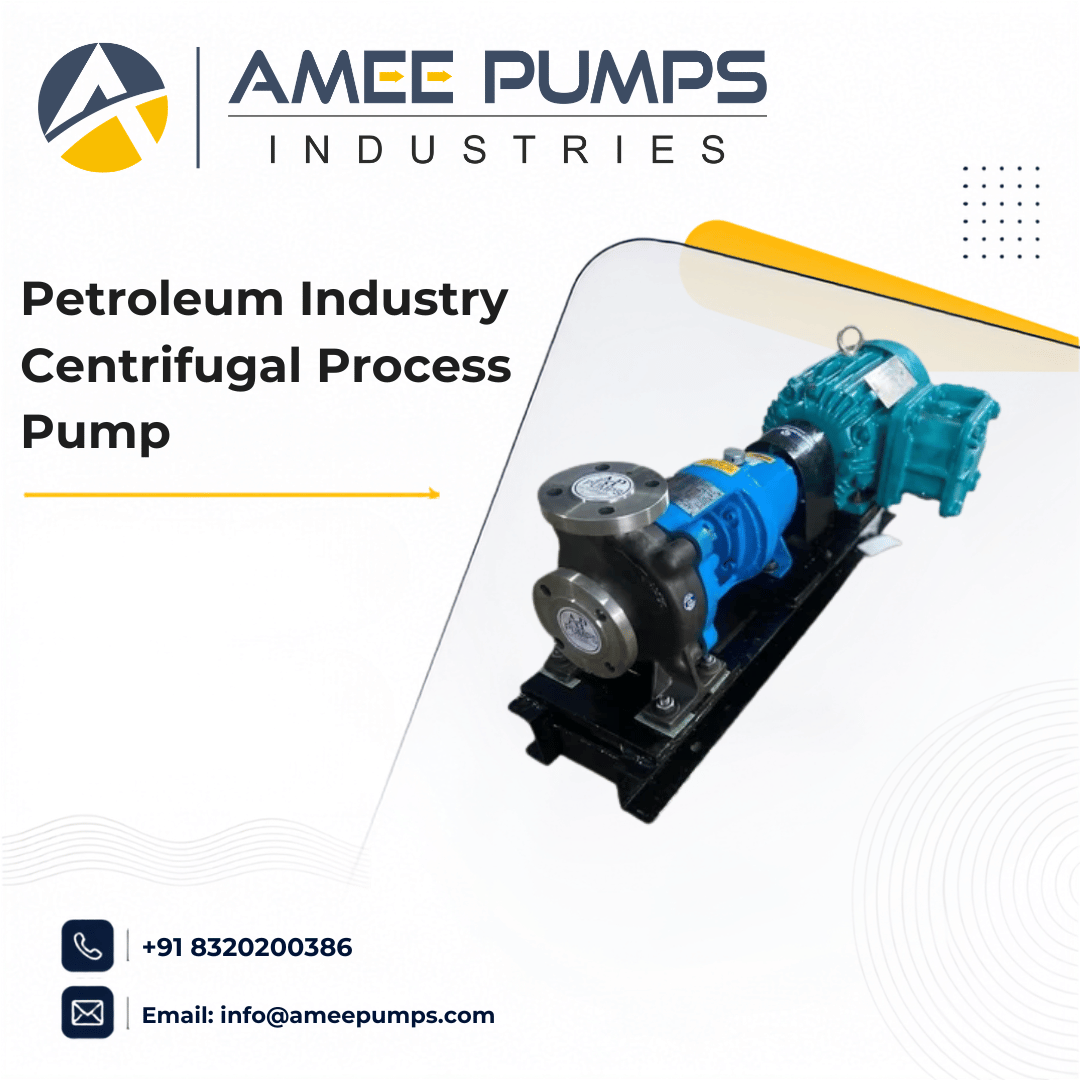
Petroleum Industry Centrifugal Process Pump
The petroleum industry relies heavily on robust and efficient pumping solutions to manage a vast array of fluids under challenging conditions. Among these, the centrifugal process pump stands out as a cornerstone technology. These pumps are indispensable for transferring crude oil, refined products, process chemicals, and cooling water, ensuring the smooth and continuous operation of refineries, production sites, and distribution networks. Understanding the intricacies of a petroleum industry centrifugal process pump is crucial for optimizing performance, ensuring safety, and maintaining operational integrity.
Understanding the Centrifugal Process Pump in Petroleum Applications
A centrifugal process pump operates on the principle of converting rotational energy, typically from an electric motor, into hydrodynamic energy within the fluid being pumped. The core component is an impeller, a rotating disc with vanes. As the impeller spins within the pump casing, it imparts kinetic energy to the fluid, accelerating it radially outwards. This outward motion creates a low-pressure area at the impeller's eye, drawing more fluid into the pump, thus establishing a continuous flow. The fluid's velocity is then converted into pressure energy as it moves through the volute or diffuser casing.
In the context of the petroleum industry, these pumps are engineered to handle a diverse range of challenging media. This includes highly viscous crude oils, volatile refined products, corrosive chemicals used in processing, and even high-temperature fluids found in various stages of production and refining. The robust construction and design principles allow them to operate reliably under demanding suction conditions, such as vacuum operations, and at elevated temperatures, ensuring consistent performance where lesser pumps would falter.
The ability of these pumps to manage fluids with varying specific gravities is also a key advantage. Whether dealing with lighter hydrocarbon fractions or heavier, denser oils, the centrifugal pump's performance characteristics can be tailored to suit the specific application. Furthermore, their design inherently helps resist cavitation—a destructive phenomenon that occurs when the pressure within the pump drops below the vapor pressure of the liquid, leading to bubble formation and collapse. Proper pump selection and system design are vital to mitigate these risks.
Key Applications in the Petroleum Sector
The versatility of the centrifugal process pump makes it indispensable across numerous segments of the petroleum industry:
Crude Oil Transfer
Moving crude oil from extraction sites to storage facilities or refineries, often over long distances and varying terrain.
Refined Product Distribution
Pumping gasoline, diesel, jet fuel, and other refined products through pipelines and into storage tanks.
Process Chemical Handling
Circulating catalysts, solvents, additives, and other chemicals used in refining and petrochemical processes.
Water and Wastewater Management
Handling process water, cooling tower water, boiler feed water, and managing wastewater streams within facilities.
High-Temperature Services
Transferring hot oils and other high-temperature fluids encountered in distillation and cracking units.
Advantages of Petroleum Industry Centrifugal Process Pumps
Employing the right centrifugal process pump offers significant operational advantages:
- High Flow Rates: Capable of moving large volumes of fluid efficiently, essential for large-scale petroleum operations.
- Reliability and Durability: Built with robust materials to withstand harsh environments, corrosive fluids, and continuous duty cycles.
- Versatility: Adaptable to a wide range of fluid properties, temperatures, and pressures encountered in petroleum processing.
- Ease of Maintenance: Many designs, such as back-pullout configurations, simplify maintenance by allowing the rotating assembly to be removed without disturbing piping or motor.
- Cost-Effectiveness: Generally offer a lower initial cost and simpler operation compared to other pump types for similar flow and head requirements.
Selecting the Right Petroleum Industry Centrifugal Process Pump
Choosing the appropriate centrifugal process pump requires careful consideration of several factors to ensure optimal performance, longevity, and safety. The demands of the petroleum industry necessitate a thorough evaluation of application-specific needs.
Key Selection Criteria:
- Fluid Properties: Viscosity, specific gravity, temperature, corrosivity, and the presence of solids or vapors are critical. This dictates material selection, sealing mechanisms, and operating parameters.
- Flow Rate and Head Requirements: Determine the required volume of fluid to be moved (flow rate) and the total resistance or pressure the pump must overcome (head).
- Operating Conditions: Consider suction conditions (NPSHa), discharge pressure, and whether continuous or intermittent duty is required.
- Environmental Factors: Site conditions, potential for hazardous atmospheres (requiring specific certifications), and ambient temperature impact pump design and material choices.
- Efficiency: Selecting a pump that operates close to its Best Efficiency Point (BEP) for the given conditions minimizes energy consumption and operational costs.
Buyer Insight: Pumps designed for petroleum applications often feature specialized seals, materials resistant to hydrocarbons and corrosion, and compliance with industry safety standards. Always verify that the pump's design specifications align precisely with the intended service fluid and operating environment.
Questions to Ask Before Purchasing:
- What specific fluid will the pump be handling, and what are its exact properties (viscosity, temperature, specific gravity, corrosivity)?
- What is the required flow rate and total dynamic head for this application?
- What are the site's Net Positive Suction Head Available (NPSHa) conditions?
- Are there any specific industry standards or safety regulations that the pump must comply with?
- What type of sealing arrangement is recommended for this service (e.g., mechanical seal, packing)?
- What materials of construction are suitable for the fluid and operating temperature?
- What is the expected lifespan and maintenance schedule for this pump model?
AMEE PUMPS INDUSTRIES: Your Partner for Petroleum Process Pumps
Established in 2009 and based in Ahmedabad, Gujarat, India, AMEE PUMPS INDUSTRIES specializes in the design and manufacturing of high-quality industrial pumps. With a strong focus on centrifugal process pumps, the company offers solutions tailored to meet the rigorous demands of sectors like the petroleum industry.
AMEE PUMPS INDUSTRIES provides centrifugal process pumps in both end-suction and back-pullout configurations, facilitating easier maintenance and operational continuity. Their pumps are engineered to tackle challenging conditions, including vacuum operations, elevated temperatures, and fluids with varying specific gravities, ensuring reliability in critical petroleum applications.
The company offers specific models suitable for the oil and gas sector, such as a Petroleum Industry Centrifugal Process Pump with a capacity of up to 250m³/hr, designed for demanding industrial use. They also provide solutions like the "Blue Amee Chemical Process Pump, For Oil Industries," capable of handling temperatures up to 250 degrees Celsius. AMEE PUMPS INDUSTRIES is committed to delivering robust and efficient pumping solutions, backed by a stated 100% success rate on projects.
Frequently Asked Questions
What makes a centrifugal pump suitable for the petroleum industry?
Centrifugal pumps are suitable for the petroleum industry due to their ability to handle high flow rates, their robust construction for continuous duty, and their adaptability to various fluid properties such as viscosity, temperature, and corrosivity. They can be manufactured from specialized materials and equipped with appropriate sealing systems to meet the industry's demanding and often hazardous conditions.
Can centrifugal pumps handle high temperatures found in petroleum refining?
Yes, centrifugal pumps can be specifically designed to handle high temperatures common in petroleum refining processes. This involves using high-temperature-resistant materials for components like the casing, impeller, and shaft, along with specialized sealing arrangements and cooling systems to manage thermal expansion and maintain integrity.
What is the significance of the back-pullout design in AMEE PUMPS' centrifugal process pumps?
The back-pullout design allows for the removal of the rotating assembly (impeller, shaft, bearings, and seal) without disturbing the pump casing or the connected piping. This significantly simplifies maintenance procedures, reduces downtime, and makes servicing more efficient, which is highly valuable in continuous operation environments like petroleum facilities.
How does AMEE PUMPS INDUSTRIES ensure the reliability of their petroleum industry centrifugal process pumps?
AMEE PUMPS INDUSTRIES focuses on robust design, selection of appropriate materials for the specific application, and adherence to quality manufacturing processes. Their commitment to handling challenging conditions and a stated 100% success rate on projects indicates a focus on delivering reliable and effective pumping solutions tailored for demanding industrial use.
Ready to Optimize Your Petroleum Pumping Operations?
Ensure your operations run smoothly and efficiently with a high-performance centrifugal process pump. Connect with AMEE PUMPS INDUSTRIES to discuss your specific requirements and find the ideal pumping solution for your petroleum industry needs. Their expertise in designing and manufacturing robust pumps for challenging applications makes them a trusted partner.
Request a Solution