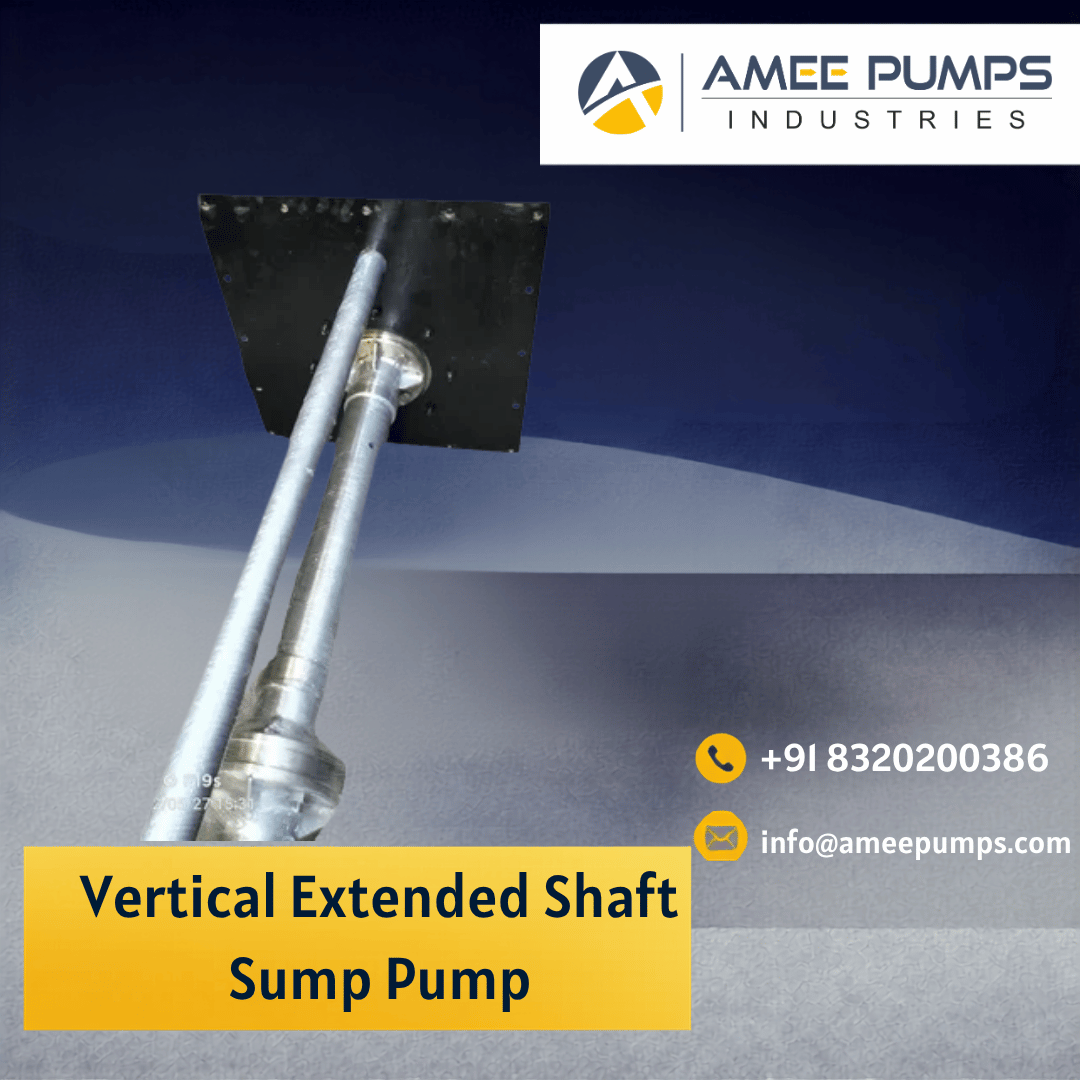
Vertical Extended Shaft Sump Pump
The Vertical Extended Shaft Sump Pump is a critical piece of industrial equipment designed to efficiently move liquids from sumps, pits, tanks, or slurry applications. Its unique design, with the motor positioned above the liquid level, offers significant advantages in maintenance and operational reliability, making it indispensable across various heavy-duty sectors.
Understanding the Vertical Extended Shaft Sump Pump
At its core, a Vertical Extended Shaft Sump Pump is engineered for submersion in the fluid it needs to transfer, while its drive unit remains safely accessible in an dry environment. The extended shaft connects the above-ground motor to the submerged pump casing, allowing for operation in deep sumps or corrosive liquids where conventional pump designs would be impractical or quickly fail. This configuration is particularly beneficial for preventing motor contamination and simplifying routine servicing.
These pumps are not one-size-fits-all; they are designed with material versatility in mind. Depending on the nature of the fluid – whether it's abrasive, corrosive, or contains solids – these pumps can be constructed from specialized materials such as high-chromium alloys, ductile iron, stainless steel, or even rubber linings. This adaptability ensures longevity and consistent performance even when handling challenging media.
Diverse Applications of Vertical Sump Pumps
The robustness and design flexibility of Vertical Extended Shaft Sump Pumps lend themselves to a wide array of demanding industrial scenarios:
Wastewater Management
Crucial for collecting and transferring industrial wastewater, effluent, and sewage from collection pits and sumps, ensuring environmental compliance.
Mining and Dewatering
Effectively pumps out water from mineshafts and construction sites, managing groundwater and process water to maintain safe working conditions.
Petrochemical Industry
Handles corrosive chemicals, solvents, and process fluids in refineries and chemical plants, requiring specialized materials for resistance.
Irrigation and Agriculture
Used for pumping water from sumps or open sources for large-scale irrigation projects, supporting agricultural productivity.
General Industrial Processes
Applicable in various manufacturing settings for transferring process water, by-products, or waste streams where submerged pumping is necessary.
Some vertical sump pump designs are specifically engineered to manage solids and fibrous materials, often incorporating suction strainers to prevent clogging and maintain uninterrupted flow, which is vital in applications like paper mills or food processing waste.
Key Advantages and Benefits
Investing in a Vertical Extended Shaft Sump Pump offers several compelling advantages:
- Enhanced Durability: Robust construction and wear-resistant materials ensure a long service life, even in abrasive fluid applications.
- Simplified Maintenance: The elevated motor position allows for easier access and maintenance without requiring the pump to be fully dismantled or the sump to be drained.
- Reduced Risk of Contamination: Keeping the motor separate from the pumped fluid minimizes the risk of electrical or mechanical failure due to liquid ingress.
- Versatile Fluid Handling: Ability to handle a wide range of fluids, including those with solids, high corrosivity, or abrasive particles, by selecting appropriate construction materials.
- Space Efficiency: The vertical design often requires a smaller footprint in the installation area compared to horizontal pump configurations.
- Adaptability to Depth: Extension pipes can be easily added to accommodate deeper sumps, providing flexibility for various installation depths.
Selecting the Right Vertical Extended Shaft Sump Pump
Choosing the correct vertical sump pump involves careful consideration of several factors to ensure optimal performance and longevity:
Critical Selection Criteria:
- Fluid Characteristics: Accurately identify the type of fluid, its temperature, viscosity, pH level, and the presence of solids (size, concentration, nature). This dictates the required materials of construction and impeller type.
- Required Flow Rate and Head: Determine the necessary volume of liquid to be moved per unit of time and the total vertical distance (head) the fluid needs to be lifted.
- Sump Dimensions: Measure the depth of the sump, its dimensions, and the available space for installation. This influences the required shaft length and overall pump configuration.
- Motor Requirements: Consider the necessary power, voltage, phase, and environmental protection rating for the motor, especially if it will be in a challenging area.
- Material Compatibility: Select materials for the pump casing, impeller, shaft, and any wetted parts that are resistant to corrosion and abrasion from the specific fluid.
- Solids Handling Capability: If the fluid contains solids, ensure the pump is designed with an appropriate impeller type and suction arrangement (e.g., with a screen) to prevent clogging.
Buyer Insight:
Don't underestimate the importance of material selection. For highly corrosive or abrasive fluids, opting for specialized alloys or linings is crucial for extending pump life and avoiding costly premature failures. Consult with manufacturers for expert recommendations based on your specific fluid analysis.
A clear understanding of these criteria will help in specifying a pump that meets operational demands efficiently and reliably.
AMEE PUMPS INDUSTRIES: Your Partner in Pumping Solutions
Established in 2009 and based in Ahmedabad, Gujarat, India, AMEE PUMPS INDUSTRIES brings a tech-driven approach to the design and manufacturing of high-quality pumps. With a commitment to precision engineering, the company focuses on developing solutions that offer reliability and efficiency for challenging industrial applications.
AMEE PUMPS INDUSTRIES offers robust Vertical Long Shaft Pumps, meticulously designed to meet the rigorous demands of various sectors, from wastewater management to heavy industrial processes. Their dedication to innovation aims to provide effective pumping solutions tailored to the unique needs of each client, ensuring optimal performance and operational continuity.
Frequently Asked Questions
What is the primary function of a Vertical Extended Shaft Sump Pump?
Its primary function is to transfer liquids from sumps, pits, or tanks, especially in situations where the liquid level is low or the sump is deep, and where the motor needs to be kept separate from the fluid for safety and maintenance.
How does the extended shaft benefit the pump's operation?
The extended shaft allows the motor to be mounted well above the liquid surface, protecting it from corrosive or abrasive fluids, moisture, and fumes. This separation significantly simplifies maintenance and reduces the risk of motor failure.
Can these pumps handle abrasive materials?
Yes, Vertical Extended Shaft Sump Pumps can be constructed from highly wear-resistant materials like high-chromium alloys or specialized rubbers, making them suitable for pumping fluids containing abrasive particles.
What factors should I consider when choosing materials for my pump?
You should consider the fluid's chemical composition (pH, corrosivity), presence of abrasives, temperature, and any specific industry standards required. Consulting with the manufacturer for material recommendations is highly advised.
Are these pumps suitable for very deep sumps?
Yes, the design allows for shaft extensions and column pipes to be added, enabling these pumps to reach considerable depths required for deep sumps or boreholes.
Ready to Optimize Your Pumping Operations?
Ensure your industrial processes benefit from reliable and efficient fluid transfer. Explore the capabilities of Vertical Extended Shaft Sump Pumps designed to meet your toughest challenges.
Request a Solution from AMEE PUMPS INDUSTRIES