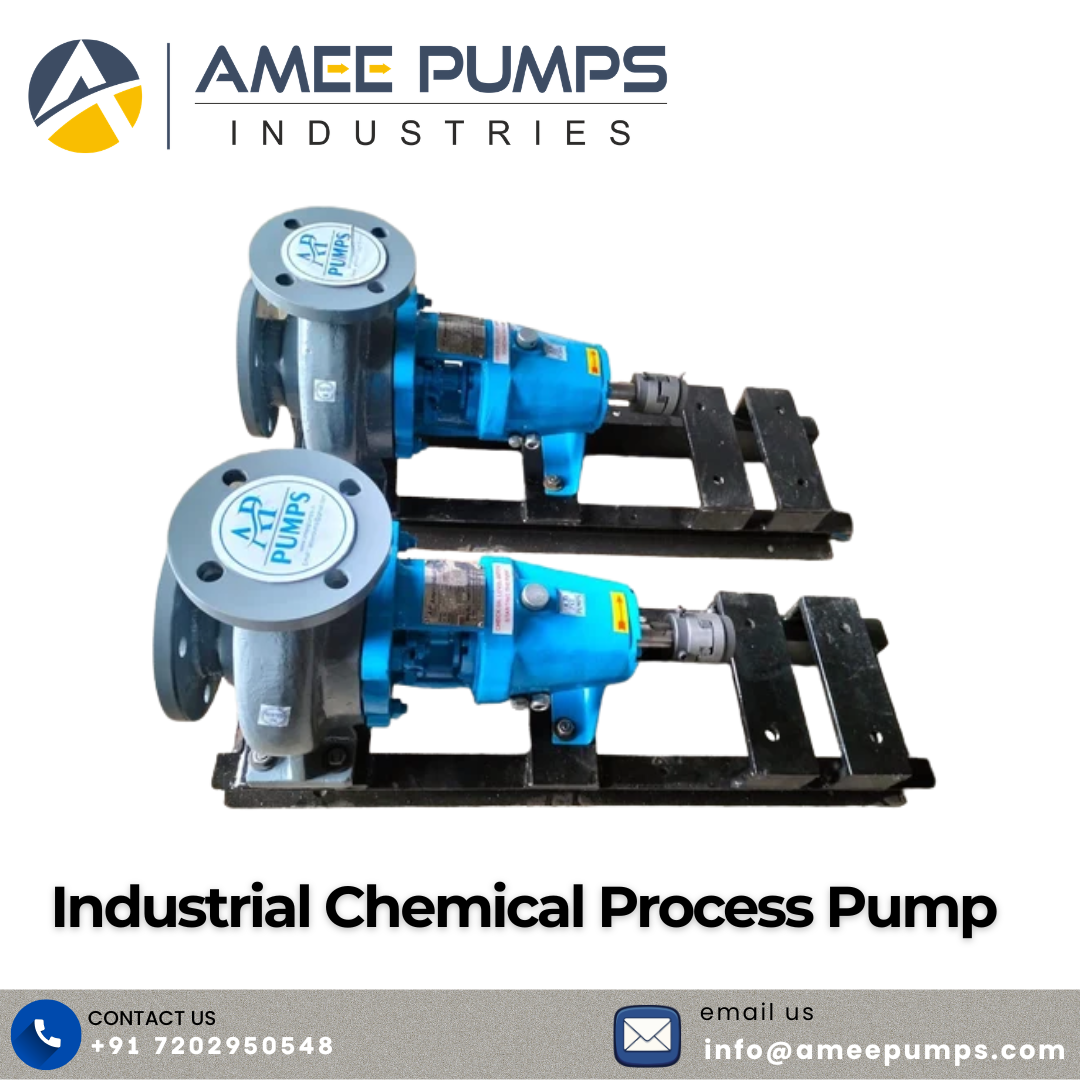
Industrial Chemical Process Pump
Explore robust industrial chemical process pumps engineered for demanding applications in Ahmedabad, Gujarat. Learn about selection, features, and maintenance f
Why This Matters in Ahmedabad, Gujarat
Ahmedabad and the broader Gujarat region stand as a significant industrial hub in India, particularly for sectors like chemicals, pharmaceuticals, textiles, petrochemicals, and dyes. These industries inherently involve the handling of diverse and often aggressive chemical compounds. The continuous growth and expansion of manufacturing facilities here necessitate robust and dependable pumping solutions that can withstand harsh operating conditions, prevent leaks, and ensure precise fluid transfer. Reliable industrial chemical process pumps are not just about moving liquids; they are about safeguarding personnel, protecting the environment, and maintaining production schedules in a highly competitive market.
What Is an Industrial Chemical Process Pump — Overview
An industrial chemical process pump is a specialized piece of equipment designed to safely and efficiently transfer a wide range of aggressive, volatile, or hazardous fluids within industrial processes. Unlike general-purpose pumps, these units are engineered with specific materials of construction, sealing mechanisms, and hydraulic designs to resist corrosion, abrasion, and extreme temperatures. They are built to handle everything from strong acids and alkalis to solvents, slurries, and high-viscosity liquids, ensuring operational integrity and preventing contamination or leakage in critical applications. Their design prioritizes chemical compatibility, mechanical strength, and operational longevity under demanding conditions.
Key Features and Technical Specifications
- Corrosion-Resistant Materials: Constructed from specialized alloys like stainless steel (SS304, SS316, SS316L), Hastelloy, Alloy 20, or non-metallic materials such as PP, PVDF, PTFE, and PFA, chosen for specific chemical compatibility.
- Robust Sealing Options: Incorporates advanced sealing systems including single or double mechanical seals, cartridge seals, or sealless magnetic drive (mag-drive) designs to prevent leakage of hazardous fluids.
- Heavy-Duty Construction: Features robust casings, impellers, and shafts designed to withstand high pressures, temperatures, and the mechanical stresses associated with continuous industrial operation.
- Optimized Hydraulic Design: Engineered for efficient fluid transfer, minimizing cavitation and maximizing flow rates while maintaining stable performance across varying operating points.
- Back Pull-Out Design: Allows for maintenance or repair of the rotating assembly without disturbing the piping or motor, simplifying service and reducing downtime.
- Compliance with Industry Standards: Designed and manufactured to meet international standards such as API 610, ISO 2858, and ISO 5199, ensuring interchangeability and performance reliability.
- Temperature and Pressure Capabilities: Built to operate effectively across a broad spectrum of temperatures and pressures, accommodating diverse process requirements.
- Customization for Specific Applications: Adaptable designs to include features like jacketed casings for temperature control, self-priming capabilities, or specific mounting configurations.
Industrial Applications and Use Cases
- Chemical Manufacturing: Transferring acids, bases, solvents, and other raw materials or intermediate products in chemical synthesis plants.
- Pharmaceutical Production: Handling sterile or corrosive liquids, active pharmaceutical ingredients (APIs), and cleaning agents in drug manufacturing facilities.
- Petrochemical Industry: Moving hydrocarbons, crude oil derivatives, and various process chemicals in refineries and petrochemical complexes.
- Textile Processing: Pumping dyes, bleaching agents, and finishing chemicals in textile mills.
- Wastewater Treatment: Transferring corrosive effluents, coagulants, and other treatment chemicals in industrial and municipal wastewater plants.
- Fertilizer Production: Handling phosphoric acid, sulfuric acid, ammonia, and other corrosive inputs for fertilizer manufacturing.
- Pulp and Paper Industry: Pumping aggressive pulping liquors, bleaching chemicals, and wastewater.
- Food and Beverage Processing: Transferring cleaning-in-place (CIP) chemicals, brines, and other processing liquids where chemical resistance is required.
- Mining and Metallurgy: Handling acidic slurries, leaching agents, and corrosive process water.
How to Choose the Right Industrial Chemical Process Pump
Selecting the appropriate industrial chemical process pump requires careful consideration of several critical factors to ensure optimal performance, safety, and longevity. A systematic approach helps align the pump's capabilities with the specific demands of your application.
- Fluid Characteristics: Analyze the chemical composition, pH, viscosity, specific gravity, temperature, presence of solids, and corrosivity of the fluid to be pumped. This dictates the necessary materials of construction and sealing type.
- Flow Rate and Head Requirements: Determine the required volume of fluid to be moved (flow rate) and the total dynamic head (pressure) needed to overcome system resistance. These parameters are crucial for sizing the pump correctly.
- Operating Temperature and Pressure: Ensure the pump's design and materials can withstand the maximum and minimum temperatures and pressures of your process without degradation or failure.
- Sealing Technology: Evaluate whether mechanical seals (single, double, cartridge) or sealless magnetic drive pumps are more suitable based on fluid hazards, leakage tolerance, and maintenance preferences.
- Material Compatibility: Verify that all wetted parts of the pump (casing, impeller, shaft, seals) are chemically compatible with the fluid to prevent corrosion, erosion, or contamination.
- Industry Standards and Certifications: Confirm that the pump complies with relevant industry standards (e.g., API, ISO) and any specific certifications required for your application or region.
- Supplier Experience and Support: Choose a supplier with a proven track record in industrial chemical process pumps, offering technical expertise, customization options, and reliable after-sales service and spare parts.
- Maintenance and Lifecycle Costs: Consider the ease of maintenance, availability of spare parts, and the overall lifecycle cost, including energy consumption, to make an economically sound decision.
- Installation Environment: Account for factors like available space, ambient temperature, potential for hazardous atmospheres (requiring ATEX certification), and power supply.
Quality Standards and Compliance
Adherence to stringent quality standards and compliance protocols is non-negotiable for industrial chemical process pumps, especially given the hazardous nature of the fluids they handle. Reputable manufacturers design and produce pumps in accordance with international benchmarks such as ISO 9001 for quality management systems, ensuring consistent product quality. For critical applications, compliance with specific design standards like API 610 (for centrifugal pumps in petroleum, petrochemical, and natural gas industries) or ISO 2858 and ISO 5199 (for end-suction centrifugal pumps) is often required. Buyers should verify that the pump's materials of construction meet relevant ASTM or EN standards for chemical resistance and mechanical properties. Certifications like ATEX are vital for pumps operating in potentially explosive atmospheres. Verifying these standards ensures the pump's safety, reliability, and long-term performance, mitigating risks and ensuring operational continuity.
Why Amee Pumps Industries Experience and Capability Matters
Amee Pumps Industries, with its foundation in Ahmedabad, Gujarat, brings over two decades of specialized expertise to the design and manufacturing of industrial chemical process pumps. Our approach is rooted in precision engineering and a deep understanding of the challenges faced by industries handling aggressive fluids. We leverage a tech-driven manufacturing process that ensures high accuracy in pump design and production, translating into reliable performance in demanding environments. Our team's extensive experience allows for the effective customization of pump solutions, addressing unique fluid characteristics, flow requirements, and operational conditions. We focus on robust quality control at every stage, from material selection to final assembly, ensuring that each pump meets stringent performance and safety criteria. This commitment to technical capability, combined with reliable delivery and responsive after-sales support, establishes Amee Pumps Industries as a trusted partner for critical fluid transfer applications across various industrial sectors in the region and beyond.
Installation, Maintenance and Care Tips
Proper installation, routine maintenance, and diligent care are crucial for maximizing the lifespan and ensuring the safe operation of industrial chemical process pumps. Following best practices can prevent premature failures and maintain system efficiency.
Installation
Ensure the pump is installed on a rigid, level foundation to minimize vibration and ensure proper alignment with the motor.
Verify that piping connections are correctly aligned and supported to prevent strain on the pump casing.
Confirm that all electrical connections comply with local codes and safety standards.
Properly prime the pump before initial startup to prevent dry running, especially for non-self-priming designs.
Routine Maintenance:
Regularly inspect mechanical seals for signs of leakage and replace them according to manufacturer recommendations or at the first indication of wear.
Check bearing lubrication levels and replenish or replace lubricants as specified in the pump's manual.
Monitor pump vibration and noise levels; unusual changes can indicate alignment issues, bearing wear, or cavitation.
Inspect the impeller and casing for erosion, corrosion, or cavitation damage during scheduled shutdowns.
Verify that all safety guards and protective devices are in place and functioning correctly.
Care Tips
Always refer to the manufacturer's operational and maintenance manual for specific guidelines pertaining to your pump model.
Ensure that operating parameters (flow, head, temperature) remain within the pump's design limits to prevent undue stress.
Have spare parts for critical components like seals, bearings, and gaskets readily available to minimize downtime during repairs.
Implement a preventive maintenance schedule based on operating hours and fluid characteristics.
Frequently Asked Questions
When selecting materials, the primary considerations include the chemical compatibility with the fluid being pumped, the operating temperature and pressure, and the presence of any abrasive solids. Highly corrosive fluids require specialized alloys or non-metallic materials like PP or PVDF, while abrasive slurries might necessitate hardened materials or specific impeller designs to resist wear.
Magnetic drive pumps enhance safety by eliminating the need for dynamic seals, which are common points of leakage in traditional pumps. This sealless design prevents the escape of hazardous, toxic, or corrosive chemicals into the environment, significantly reducing the risk of spills, fumes, and exposure for personnel, making them ideal for critical applications.
The typical lifespan of an industrial chemical process pump can vary significantly based on the fluid handled, operating conditions, maintenance frequency, and initial build quality. With proper selection, installation, and consistent preventive maintenance, a well-engineered pump can operate reliably for 10 to 15 years or even longer in demanding industrial environments.
API 610 is a standard from the American Petroleum Institute that specifies requirements for centrifugal pumps used in petroleum, petrochemical, and natural gas industries. It covers design, materials, testing, and documentation, ensuring pumps meet rigorous safety, reliability, and performance criteria for critical, often hazardous, applications within these sectors.
Yes, chemical process pumps can be designed to handle highly viscous liquids, but it requires specific considerations. For very high viscosity, positive displacement pumps are often preferred over centrifugal pumps. If a centrifugal pump is used, it typically requires a larger impeller, lower operating speed, and a more robust motor to manage the increased power consumption and reduced efficiency associated with viscous fluids.
Key signs that a chemical process pump requires maintenance include unusual noises (grinding, rattling), increased vibration, visible leakage from seals, reduced flow rate or discharge pressure, overheating of bearings or the motor, and excessive power consumption. Addressing these indicators promptly can prevent more significant damage and costly downtime.
Conclusion
The reliable operation of industrial chemical process pumps is fundamental to the efficiency, safety, and environmental compliance of numerous industries in Ahmedabad, Gujarat, and across the globe. Choosing the right pump involves a detailed assessment of fluid properties, operational demands, and adherence to quality standards. Partnering with an experienced manufacturer that understands these complexities, offers robust engineering, and provides comprehensive support is crucial for long-term success. By prioritizing precision, durability, and expert guidance, businesses can ensure their fluid transfer systems perform optimally, contributing to uninterrupted production and a safer working environment.
Get In Touch
Amee Pumps Industries
