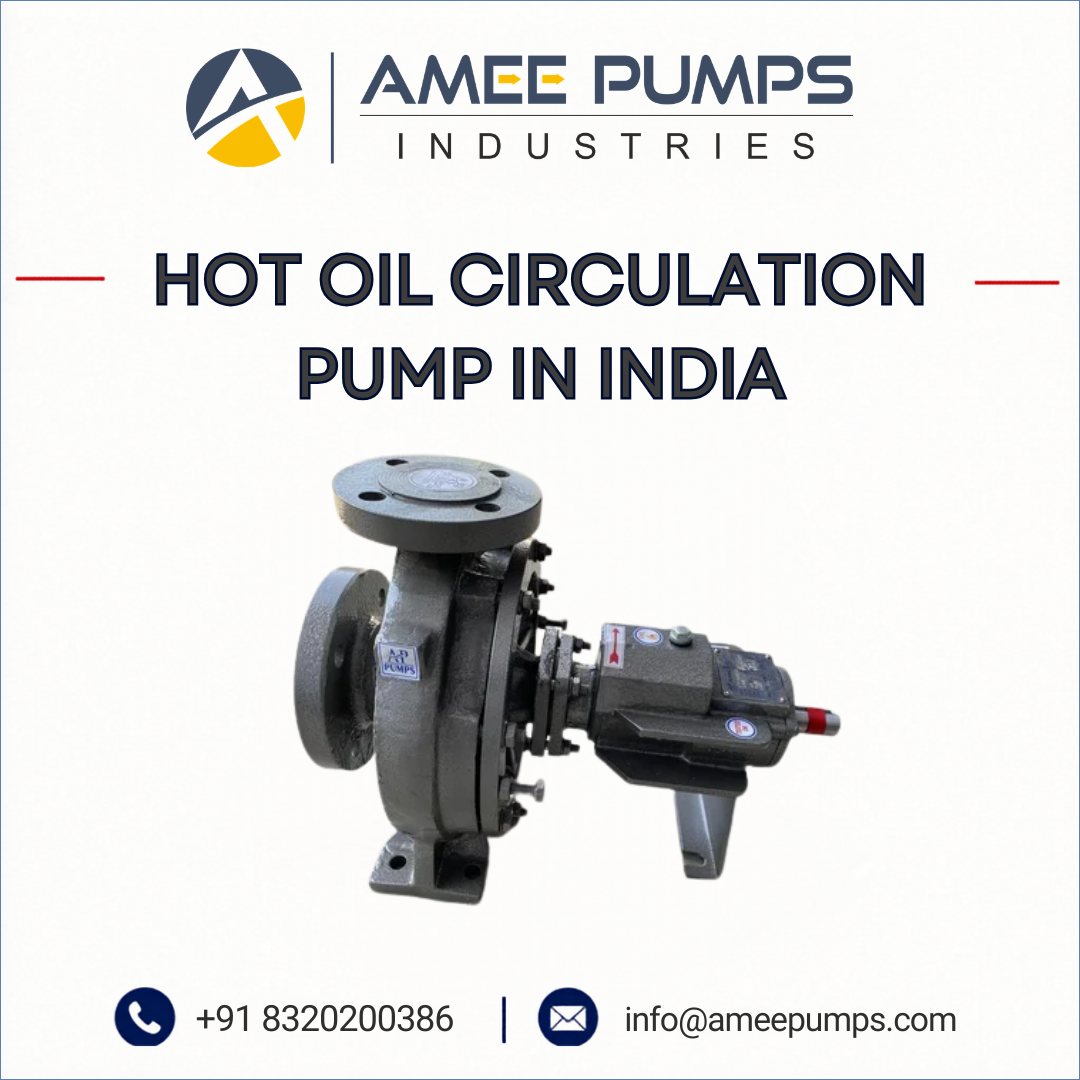
Hot Oil Circulation Pump in India
Expertly designed hot oil circulation pumps for industrial applications across India. Reliable, efficient, and cost-effective solutions from Amee Pumps Industri
What is a Hot Oil Circulation Pump? — Overview
A hot oil circulation pump, also known as a thermal fluid pump or heat transfer fluid pump, is specifically engineered to circulate high-temperature synthetic or mineral oils through a closed-loop system. Unlike standard pumps, these units are built to withstand extreme temperatures, often exceeding 300°C (572°F), without degrading the fluid or the pump components. They typically feature robust construction, specialized seals, and often a glandless or magnetic drive design to prevent leakage of hazardous hot fluids. The primary function is to transfer heat efficiently, maintaining a stable temperature in reactors, heat exchangers, molds, and other process equipment.
Key Features and Technical Specifications
When evaluating hot oil circulation pumps, several key features and specifications are crucial for ensuring optimal performance and longevity:
- High-Temperature Seals: Designed to prevent leakage of thermal fluids at elevated temperatures, often using specialized materials like PTFE or graphite.
- Robust Casing Material: Typically constructed from cast iron, ductile iron, or stainless steel to withstand thermal stress and chemical compatibility with the fluid.
- Specialized Impeller Design: Optimized for viscous fluids and high temperatures, ensuring efficient flow and minimizing cavitation.
- Glandless or Magnetic Drive Options: Essential for hazardous or high-temperature applications to eliminate shaft seals and potential leak points.
- Thermal Expansion Compensation: Features that accommodate the expansion and contraction of components due to significant temperature fluctuations.
- API 610 Compliance (where applicable): Adherence to industry standards for petrochemical and heavy-duty industrial pump applications.
- Variable Speed Drive (VSD) Compatibility: Allows for precise flow control and energy efficiency adjustments based on process demands.
- Integrated Cooling Systems: Some designs incorporate cooling jackets or fans for the stuffing box or bearings to manage operating temperatures.
Industrial Applications and Use Cases
Hot oil circulation pumps are vital across a wide spectrum of industries, enabling critical thermal processes:
- Chemical Manufacturing: Heating reactors, distillation columns, and process lines for chemical synthesis and separation.
- Pharmaceutical Production: Maintaining precise temperatures for drying, sterilization, and reaction processes.
- Food and Beverage Processing: Heating cooking vessels, pasteurizers, and processing equipment for products like edible oils and confectionery.
- Textile Industry: Heating dyeing machines, drying ovens, and finishing equipment.
- Plastics and Rubber Manufacturing: Supplying heat to injection molding machines, extruders, and curing presses.
- Wood Processing: Heating presses and drying kilns for composite wood products.
- Asphalt and Bitumen Heating: Maintaining the required temperatures for storage and transport of road construction materials.
- Solar Thermal Power Plants: Circulating heat transfer fluids in concentrated solar power (CSP) systems.
How to Choose the Right Hot Oil Circulation Pump
Selecting the appropriate hot oil circulation pump requires careful consideration of your specific operational needs. Use this checklist to guide your decision:
- System Temperature Requirements: Determine the maximum and minimum operating temperatures the pump must handle.
- Fluid Type and Viscosity: Identify the specific thermal fluid being used and its viscosity at operating temperatures.
- Flow Rate and Head Requirements: Calculate the necessary flow rate (e.g., liters per minute or gallons per minute) and the total dynamic head the pump must overcome.
- System Pressure: Understand the maximum pressure within the circulation loop.
- Leakage Prevention: Assess the criticality of preventing leaks; glandless or magnetic drive pumps are often preferred for hazardous fluids.
- Material Compatibility: Ensure the pump materials are compatible with the thermal fluid and operating conditions.
- Environmental and Safety Standards: Verify compliance with relevant local and international safety and environmental regulations.
- Supplier Reputation and Support: Choose a manufacturer with a proven track record, strong technical expertise, and reliable after-sales service.
- Energy Efficiency: Consider pumps designed for energy efficiency, especially for continuous operation.
- Customization Needs: Determine if standard models meet your requirements or if customization is necessary.
Quality Standards and Compliance
For hot oil circulation pumps, adherence to quality standards and compliance with industry regulations is non-negotiable, especially given the high temperatures and potentially hazardous nature of the fluids. Manufacturers should demonstrate compliance with international standards such as ISO 9001 for quality management systems. Depending on the specific application and industry, pumps may need to meet standards like API 610 for heavy-duty petrochemical services, or adhere to specific directives for pressure equipment (e.g., PED in Europe). Buyers should always verify that the pump's design, materials, and manufacturing processes meet the required safety and performance benchmarks for their intended use in India.
Why Amee Pumps Industries' Experience and Capability Matters
At Amee Pumps Industries, our two decades of experience, led by Mr. Amit Panchal, have been dedicated to mastering the intricacies of pump design and manufacturing. We leverage a technology-driven approach that allows for precision engineering and cost-effective solutions, particularly beneficial in complex industrial settings. Our commitment to a 100% project success rate is a testament to our rigorous quality control, deep understanding of fluid dynamics, and ability to tailor solutions to specific client needs. We focus on building reliable, high-performance pumps that ensure your thermal processes run smoothly and efficiently.
Installation, Maintenance, and Care Tips
Proper installation and regular maintenance are crucial for the longevity and reliable performance of your hot oil circulation pump.
- Installation: Ensure the pump is installed on a solid, level foundation to minimize vibration. Follow the manufacturer's guidelines for piping connections, ensuring no strain is placed on the pump casing. For systems with thermal expansion, proper loop design with expansion tanks is essential.
- System Flushing: Before initial startup, thoroughly flush the entire system with a cleaning fluid to remove any debris or contaminants from installation.
- Fluid Management: Use only approved thermal fluids and maintain them according to the manufacturer's recommendations. Regularly monitor fluid quality, checking for degradation, contamination, or water content.
- Leak Checks: Periodically inspect all seals, flanges, and connections for any signs of leakage, especially when the system is at operating temperature.
- Bearing Lubrication: Follow the recommended lubrication schedule for pump bearings, using the specified type and grade of lubricant.
- Vibration Monitoring: Implement a program for monitoring pump vibration levels, as increased vibration can indicate bearing wear, imbalance, or cavitation.
- Temperature Monitoring: Keep a close watch on pump casing and bearing temperatures. Any significant deviations from normal operating ranges warrant investigation.
- Regular Inspections: Conduct routine visual inspections of the pump and its associated components for any signs of wear, corrosion, or damage.
Frequently Asked Questions
The primary function is to circulate a heat transfer fluid, typically oil, at high temperatures through an industrial process to provide or remove heat. This ensures precise temperature control for operations like chemical reactions, molding, or drying.
Hot oil pumps are specifically designed to handle extreme temperatures, often exceeding 300°C, and are built with materials and seals resistant to thermal degradation and leakage. Standard pumps are not designed for such high temperatures or the specific properties of thermal oils.
Sizing involves calculating the required flow rate and the total dynamic head of your system. You must also consider the viscosity and temperature of the thermal fluid, as these factors significantly impact pump performance and selection.
Using an inappropriate pump can lead to fluid leakage, seal failure, component damage due to thermal stress, reduced efficiency, and potential safety hazards from hot fluid exposure or fire risks.
Key maintenance includes regular checks of seals, bearings, lubrication, vibration levels, and fluid quality. Periodic system flushing and inspection for wear or corrosion are also essential to ensure optimal performance and safety.
Yes, always follow manufacturer guidelines. Ensure proper personal protective equipment (PPE) is used, system pressure and temperature are monitored, and leak detection systems are in place. Regular training for operators on safe handling of hot fluids is crucial.
Conclusion
For industries in India requiring precise and reliable thermal management, the hot oil circulation pump is a critical component. Selecting the right unit involves a thorough understanding of your process requirements, including temperature, flow, fluid type, and pressure. Prioritizing manufacturers with proven expertise, robust quality control, and a commitment to safety, like Amee Pumps Industries, ensures you receive a durable and efficient solution. Proper installation, diligent maintenance, and adherence to safety standards will maximize the operational lifespan and performance of your hot oil circulation system, contributing directly to the efficiency and success of your industrial operations.
Get In Touch
Amee Pumps Industries
