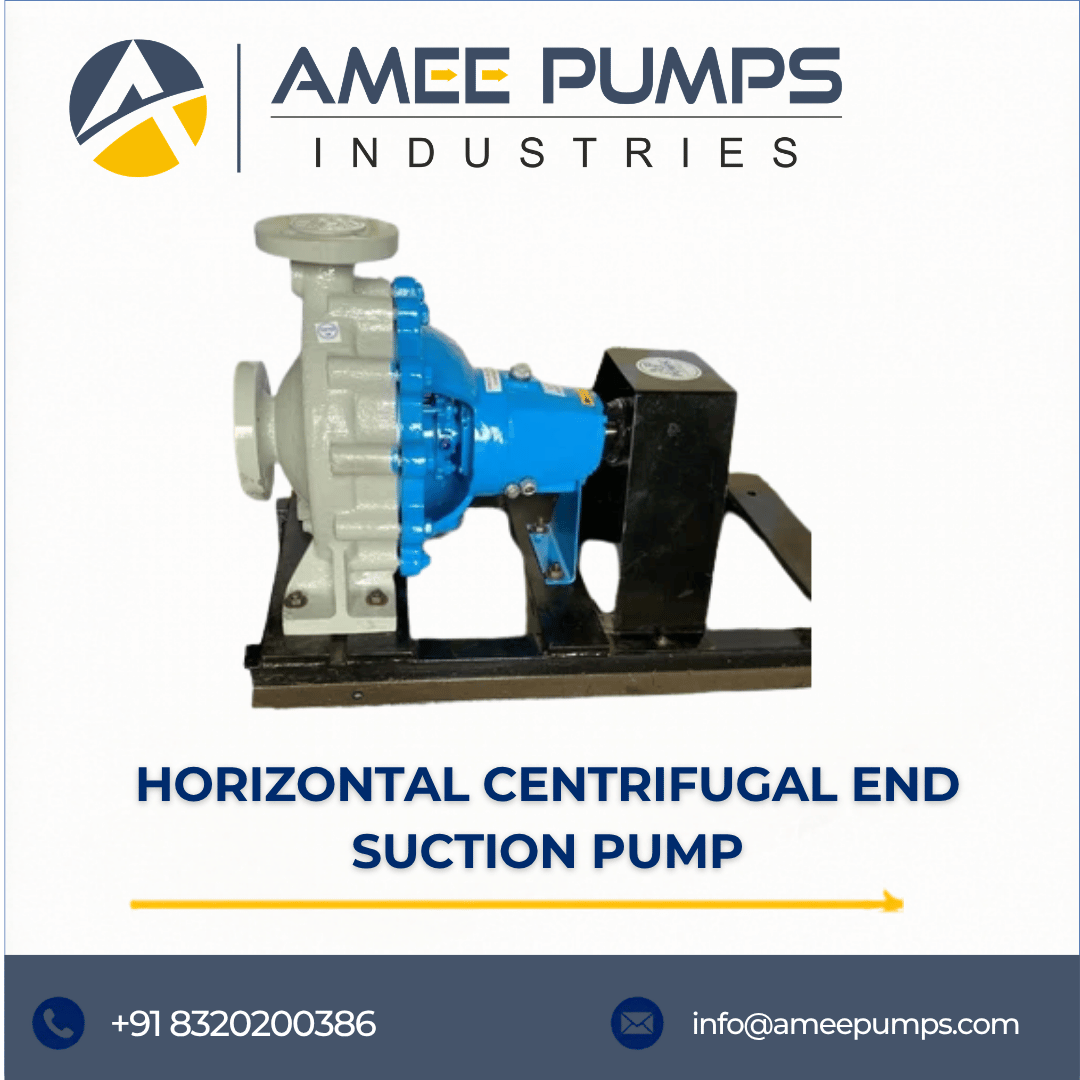
Horizontal Centrifugal End Suction Pump
The horizontal centrifugal end suction pump stands as a cornerstone in fluid handling across a multitude of industries. Renowned for its robust design and operational efficiency, this pump type is engineered to move a wide array of liquids, from clear water to challenging chemical solutions and slurries. Its straightforward construction and reliable performance make it an indispensable component in water treatment, chemical processing, oil and gas, and many other critical sectors. Understanding its capabilities, applications, and selection criteria is paramount for ensuring efficient and cost-effective operations.
Understanding the Horizontal Centrifugal End Suction Pump
At its core, a horizontal centrifugal end suction pump utilizes a rotating impeller to impart kinetic energy to the fluid. As the fluid enters the pump casing near the shaft (the 'suction eye'), the impeller vanes accelerate it outwards. This action converts the mechanical energy supplied by the motor into fluid velocity and pressure. The casing, typically volute-shaped, collects the fluid and guides it towards the discharge nozzle, gradually slowing the fluid and increasing its pressure. The 'end suction' configuration refers to the inlet port being located at one end of the casing, perpendicular to the shaft, with the discharge on the opposite side, often radially upwards.
This design offers several inherent advantages. The horizontal orientation simplifies installation and maintenance, especially for models featuring a back pull-out design. This allows the motor, coupling, and pump rotating assembly to be removed for servicing without disturbing the pump casing or pipework, significantly reducing downtime. The compact footprint also makes it suitable for installations where space is limited. Furthermore, the hydraulic performance can be finely tuned through impeller trimming, allowing for customization to specific operational requirements.
The versatility of the horizontal centrifugal end suction pump is further enhanced by the range of materials available for its construction. Casings, impellers, and shafts can be fabricated from materials such as cast iron, various grades of stainless steel, bronze, and even specialized alloys or plastics like polypropylene and PVDF, depending on the corrosiveness, temperature, and nature of the fluid being handled.
Many of these pumps adhere to established industry standards, such as EN 733 and DIN 24255, ensuring interchangeability and a baseline for performance and durability. This standardization simplifies procurement and replacement processes for industrial users.
Diverse Applications Across Industries 🌍
The wide applicability of the horizontal centrifugal end suction pump makes it a workhorse in numerous industrial and municipal settings:
- Water Supply and Treatment: Essential for transferring raw water, treated water, and managing wastewater in municipal and industrial plants.
- Chemical Processing: Handling a variety of chemicals, acids, and alkaline solutions, provided the pump materials are chemically compatible.
- Oil and Gas: Used for transfer duties, such as moving refined products or in process applications where suitable materials are selected.
- Food and Beverage: Employed for transferring potable water, juices, milk, and other food-grade liquids, often in stainless steel construction.
- HVAC Systems: Circulating water for heating, ventilation, and air conditioning systems, including chilled water and condenser water loops.
- Irrigation: Pumping water for agricultural purposes to fields and farms.
- General Industrial Transfer: Moving process water, coolants, solvents, and other industrial fluids.
- Fire Protection: Often configured as part of fire sprinkler systems or jockey pumps to maintain system pressure.
Key Advantages and Practical Benefits
Opting for a horizontal centrifugal end suction pump brings several distinct advantages:
- Efficient Hydraulic Performance: Designed for optimal energy conversion, leading to efficient fluid transfer.
- Ease of Maintenance: The back pull-out design, common in many models, greatly simplifies repair and servicing, minimizing operational interruptions.
- Compact Footprint: Its configuration often requires less installation space compared to other pump types.
- Versatile Material Options: Availability in various materials allows for handling a broad spectrum of fluids, including corrosive and abrasive ones.
- Standardization: Compliance with standards like EN 733 ensures reliable performance and component compatibility.
- Cost-Effectiveness: Generally offers a good balance of initial cost, operational efficiency, and maintenance expense.
Selecting the Right Horizontal Centrifugal End Suction Pump
Choosing the appropriate pump is critical for operational success. Consider these factors:
Critical Selection Criteria:
- Fluid Characteristics: Identify the type of fluid (water, chemical, oil, slurry), its temperature, viscosity, and whether it contains solids. This dictates material selection and pump design.
- System Requirements: Determine the required flow rate and total head (pressure) needed for the application.
- Materials of Construction: Select casing, impeller, and shaft materials compatible with the fluid to prevent corrosion and ensure longevity. Common options include cast iron for water and some chemicals, and stainless steel for more aggressive media or sanitary applications.
- Seal Type: Mechanical seals are standard for many applications, but the specific type of mechanical seal or packing must be chosen based on fluid properties and operating conditions.
- Motor and Power Supply: Ensure the motor specifications (voltage, phase, enclosure type) match the site's electrical supply and the pump's power requirements.
- Compliance and Standards: Verify if the pump meets any relevant industry standards (e.g., EN 733) for your specific application.
When approaching a supplier, be prepared to provide detailed information about your application. This ensures you receive a pump engineered for optimal performance and reliability in your specific environment. The goal is to match the pump's capabilities precisely to the demands of your system, preventing premature wear, inefficient operation, or outright failure.
💡 Buyer Insight:
Don't underestimate the impact of fluid temperature and potential for cavitation. Understanding these factors early in the selection process can prevent significant operational issues and extend the pump's service life.
AMEE PUMPS INDUSTRIES: Your Partner for Reliable Pumping Solutions
Established in 2009 and based in Ahmedabad, Gujarat, India, AMEE PUMPS INDUSTRIES is dedicated to providing high-quality pumping solutions driven by a tech-forward approach. Led by Mr. Amit Panchal, the company focuses on precision engineering and cost-effective design to meet diverse industrial needs. AMEE PUMPS INDUSTRIES offers a comprehensive range of pumps, including robust horizontal centrifugal end suction pumps, designed for efficiency and durability.
With a commitment to technological advancement, AMEE PUMPS INDUSTRIES leverages its expertise to deliver pumps that perform reliably across various challenging applications. The company emphasizes a 100% success rate on projects, reflecting their dedication to customer satisfaction and operational excellence. Whether your needs involve water management, chemical processing, or general industrial fluid transfer, AMEE PUMPS INDUSTRIES aims to provide a tailored and effective solution from their extensive product portfolio.
Tech-Driven Design
Precision Engineering
Based in Ahmedabad, Gujarat
Commitment to Success
Frequently Asked Questions
What makes a centrifugal end suction pump 'horizontal'?
The term 'horizontal' refers to the orientation of the pump shaft, which runs parallel to the ground. The 'end suction' design indicates that the fluid enters the pump casing at one end, typically axially, and exits radially.
Can these pumps handle corrosive fluids?
Yes, horizontal centrifugal end suction pumps can handle corrosive fluids if constructed from appropriate materials such as specific grades of stainless steel, alloys, or plastics like polypropylene (PP) and polyvinylidene fluoride (PVDF), as offered by manufacturers like AMEE PUMPS INDUSTRIES.
What is the advantage of a back pull-out design?
A back pull-out design allows the motor, coupling, and pump's internal rotating assembly to be removed for maintenance without disconnecting the pump from its inlet and outlet piping. This significantly reduces downtime and simplifies servicing.
How is the performance of an end suction pump adjusted?
The hydraulic performance, particularly the flow rate and head, can often be adjusted by trimming the impeller diameter. This is a common method to fine-tune the pump's output to match specific system demands.
Are these pumps suitable for high-temperature applications?
Suitability for high temperatures depends on the pump's construction materials, particularly the casing, impeller, and mechanical seal. Specialized designs and materials are available for high-temperature service.
Find Your Ideal Pumping Solution
For reliable and efficient fluid handling, partner with experts who understand your needs. AMEE PUMPS INDUSTRIES offers a wide array of pumps, including high-performance horizontal centrifugal end suction pumps, engineered with precision and backed by a commitment to success. Contact us today to discuss your specific requirements and discover how our tech-driven solutions can optimize your operations.
Request a Consultation