ROTARY LOBE PUMP
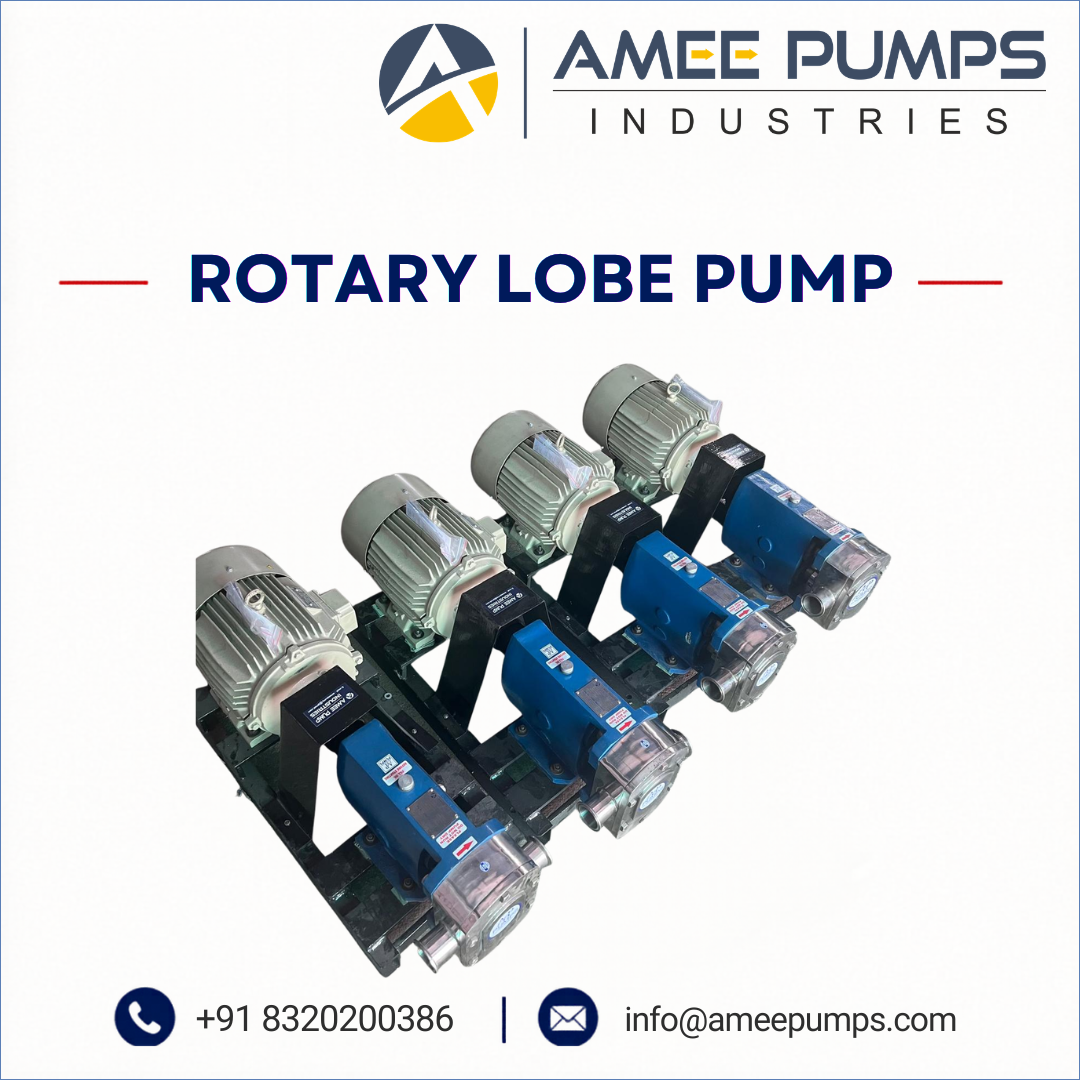
Rotary Lobe Pump
AMEE Pumps Industries is a proven leader in the pump manufacturing industry, recognized for engineering specialized solutions for demanding fluid transfer operations. Guided by decades of expertise, our technical team follows a disciplined approach to create equipment that guarantees operational continuity, precise flow rates, and long-term reliability. Explore our comprehensive fluid handling solutions at AMEE Pumps Industries.
About AMEE Pumps Industries
Since 2009, AMEE Pumps Industries has focused on refining industrial fluid dynamics through a technology-driven manufacturing workflow. This approach eliminates the inconsistencies of conventional production, allowing us to build precise, heavily tested pumping equipment suitable for complex and rapid operational environments.
We prioritize uncompromised quality, strict compliance with engineering standards, and an in-depth understanding of process requirements. By focusing on mechanical durability and sanitary design principles, we help modern industries maintain uninterrupted processing, minimize maintenance downtime, and protect product integrity.
Rotary Lobe Pump Overview
A rotary lobe pump is an advanced positive displacement pump that utilizes two or more non-contacting lobes rotating concurrently within the pump casing. Because the lobes do not make physical contact with each other, they provide a gentle, low-shear pumping action. This makes them the ultimate choice for transferring highly viscous, delicate, or shear-sensitive fluids. Built typically from premium stainless steel, these pumps are heavily favored in industries requiring strict hygiene and clean-in-place capabilities.
Applications and Benefits
| Applications | Benefits |
|---|---|
|
|
Key Features
- Non-contacting lobe geometries to prevent mechanical wear and metal particle shedding
- Large internal cavities allowing the safe passage of soft solids without damage
- Robust stainless steel construction compliant with international sanitary standards
- Pulsation-free fluid delivery ensuring accurate dosing and measurement
- Easily accessible front-loading seal design for rapid maintenance and inspection
Where These Pumps Are Used
- Food Processing Facilities: Pumping dairy products, syrups, sauces, and edible oils without altering the product structure.
- Pharmaceutical Plants: Hygienic transfer of medical gels, active pharmaceutical ingredients, and syrups under strict sterile conditions.
- Chemical Manufacturing Units: Handling shear-sensitive polymers, industrial resins, adhesives, and thick corrosive liquids.
Why Industries Choose AMEE
Industrial buyers consistently choose AMEE Pumps Industries for our deep technical knowledge and ability to deliver application-specific results. By combining advanced lobe geometries with highly precise manufacturing, we supply equipment that handles challenging viscosities flawlessly. We assist process engineers from the initial requirement phase through to final installation guidance.
- Expertise in hygienic and sanitary pump design for highly regulated sectors
- Thorough performance testing under simulated operational parameters
- Customizable seal and rotor options to match specific fluid characteristics
- Transparent technical consultation to optimize process efficiency
Selection Guidance
Choosing the appropriate rotary lobe pump involves evaluating several critical parameters. Engineers must account for the dynamic viscosity of the fluid, maximum operating temperature, differential pressure, and specific flow rate demands. Additionally, selecting the correct elastomer materials and mechanical seals based on the fluid's chemical compatibility and cleaning protocols is vital for achieving a long, trouble-free service life.
FAQs
Conclusion
AMEE Pumps Industries provides meticulously engineered fluid handling solutions that align with the rigorous demands of modern manufacturing. Our rotary lobe pumps ensure continuous, sanitary, and highly efficient processing for viscous and sensitive media across diverse industrial sectors. For detailed technical specifications and support, learn more at https://ameepumps.com/.
Contact Details
Talk to our specialists today for tailored solutions and fast assistance.
Factory No-113, Mahavir Industrial Park - 2, Opp. Vinayak Estate-3, Kathwada Singarva Road, Ahmedabad - 382430, Gujarat (India)
Our Blogs
- Acids Transfer PVDF Chemical Pump
- Air Cooled Pump Set
- Thermic Fluid Hot Oil Air Cooled Pump
- Air Operated Double Diaphragm SS 316 Pump
- AODD Pump PVDF MOC
- Centrifugal End Suction Pump
- High Pressure Centrifugal Pump
- Vertical Centrifugal Pump
- Hygienic Centrifugal Pump
- Petroleum Industry Centrifugal Process Pump
- Self Priming Boiler Feed Pump
- Bare Shaft PP Pump
- Self Priming Monoblock Mud Pump
- Hot Oil Centrifugal Pump
- Horizontal Centrifugal Back Pull Out Bare Shaft Coupled Pump
- Teflon Line Centrifugal Process Pump
- Corrosion Resistant Pump
- Semi Open Impeller Centrifugal Pump
- Corrosion Resistant Polypropylene Pump
- Boiler Feed Pump
- 20 LPM Oil Gear Pump
- PVDF Loading Unloading Centrifugal Pump
- Vertical Extended Shaft Slurry Pump
- Pneumatic Air Operated Double Diaphragm Pump
- CF Series Stainless Steel Centrifugal Pump
- Oil Transfer Rotary Gear Pump
- High Temperature Pump
- Horizontal Centrifugal End Suction Pump
- Sewage Plants Self Priming Mud Pump
- Caustic Vertical Pump
- Polypropylene Gland Less Pump
- 300 LPM Acid Pump
- Single Stage Centrifugal Back Pull Out Pump
- Water Treatment Centrifugal Back Pull Out Pump
- Vertical Extended Shaft Sump Pump
- Horizontal Slurry Pump
- Mechanical Diaphragm Dosing Pump
- 2 HP Centrifugal Pump
- Vertical Long Shaft Sump Pump
- Stainless Steel Pump
- Centrifugal Circulation Process Pump
- Thermic Fluid Hot Oil Pump
- Self Priming Non Clog SS 316 Mud Pump
- Vertical Long Shaft Submerged Centrifugal Pump
- High Pressure Multi Stage Boiler Feed Pump
- Vertical Sump Pump
- Side Suction Pump
- Polypropylene Descaling Pump
- Non Clog Impeller Pump
- High Discharge Pump
- Filter Press Feeding Pump
- Polypropylene Chemical Process Pump
- Magnetic Drive Polypropylene Pump
- Water Circulation Pump
- Non Metallic Pump
- Side Suction Bare Shaft Pump
- SS 304 Centrifugal Fabricated Pump
- SS316 Rotary Gear Pump
- Centrifugal Flameproof Pump
- Corrosion Resistant PVDF Chemical Pump
- Centrifugal Pump Closed Impeller
- Stainless Steel Centrifugal Pump
- Corrosion Resistant PP Pump
- Heavy Duty Rotary Gear Pump
- External Gear Pump
- SS 316 AODD Pump
- Self Priming Non Clog Mud Pump
- Hot Oil Circulation Pump
- Internal Gear Pump
- Pneumatic Double Diaphragm Pump
- Thermic Fluid Boiler Feed Pump
- Magnetic Chemical Pump
- ETP Slurry Pump
- Filter Press Feed Pump
- Water Transfer Pump
- PVDF Lined Chemical Process Pump
- Industrial Chemical Process Pump
- SS Chemical Transfer Pump
- Vertical Single Stage Centrifugal Pump
- Hot Oil Circulation Pump in India
- Centrifugal Pump Manufacturers & Suppliers in India
- Chemical Process Pump Manufacturer in India
- Horizontal Single Stage Centrifugal Pump
- Self Priming Stainless Steel Pump
- Rotary Gear SS 316 Pump
- PVDF Chemical Pump in India
- PP AODD Pump
- PP Chemical Process Pump
- Vertical Long Shaft Sump Pump
- Air Cooled Thermic Fluid Hot Oil Pump
- Centrifugal Chemical Process Pump
- Air Operated Diaphragm Pneumatic Pump
- Industrial AODD Pump
- SS Air Operated Diaphragm Pump
- Air Cooled Pump Manufacturer & Supplier in India
- AIR COOLED HOT OIL PUMP
- PP Air Operated Double Diaphragm Pumps
- Vertical Inline Single Stage Centrifugal Pump
- Magnetic Drive Acid Handling Pump
- PVDF LINED CENTRIFUGAL PUMP
- Horizontal Single Stage Centrifugal Pumps
- SS 316 Pumps Centrifugal Chemical Transfer
- Pvdf Chemical Process Pump
- Self Priming Stainless Steel Pump in india
- SS TWIN LOBE PUMP
- SS ROTARY GEAR PUMP
- HOT OIL AIRCOOLED PUMP
- SS CENTRIFUGAL PUMPS IN INDIA
- SS GEAR PUMP IN INDIA
- PVDF MAGNATIC DRIVE PUMP
- Filter Press Side Suction Pump
- CHEMICAL PROCESS PUMP
- CENTRIFUGAL COUPLED PUMP
- THERMIC FLUIED AIR COOLED PUMP
- Lobe Pump in India
- SS Self Priming Mud Pump in Gujarat
- Solvent Transfer Pump in Gujarat
- PVDF Centrifugal Pump in Ahmedabad
- Rotary Lobe Pump in Ahmedabad
- End Suction Pumps Gujarat
- SS Centrifugal Pump in Gujarat
- Solvent Transfer Pump in Ahmedabad
- Vertical Seal Less Gland Less PP Pump in Ahmedabad
- VERTICAL SEAL LESS GLAND LESS PP PUMP
- PP SELF PRIMING PUMP
- SOLVENT TRANSFER PUMP
- SS CENTRIFUGAL PUMP
- ROTARY GEAR PUMP
- CENTRIFUGAL PP PUMP
- CHEMICAL PROCESS CENTRIFUGAL PUMP
- ROTARY LOBE PUMP
- Filter Press Side Suction Pump in Gujarat
- Air Cooled Thermic Fluid Pump in India
- SS Centrifugal Monoblock Pump in Ahmedabad
- MAGNATIC DRIVE CENTRIFUGAL PUMP
- ACID APPLICATION PUMP
- AIR OPERATED DOUBLE DIAPHRAGAM PUMP
- LOBE PUMP
- HORIZONTAL CENTRIFUGAL PUMP
- SS GEAR PUMP
- FIRE FIGHITING PUMPS
- FILLTER PRESS PUMP
- BACK PULL OUT SS CENTRIFUGAL PUMP
- PP SELF PRIMING PUMP
- Horizontal Back Pull Out End Suction Pumps in India
- Hot Oil Pump in Gujarat
- PVDF Centrifugal Pump in Gujarat
- Centrifugal Pump
- Thermic Fluid Air Cool Pump
- PP Pump
- PVDF Centrifugal Pump Manufacturers in Gujarat
- End Suction Pumps in Ahmedabad
- Bentonite Pumps in Gujarat
- SS SELF PRIMING MUD PUMP
- PP MONOBLOCK PUMP
- SS CENTRIFUGAL MONOBLOCK PUMP
- LOBE PUMP
- FILLTER PRESS SIDE SUCTION PUMP
- HOT OIL PUMP
- AIR COOLED THERMIC FLUID PUMP
- PVDF CENTRIFUGAL PUMP MANUFACTURERS IN AHMEMDABAD
- Magnetic Drive PP Pump
- Horizontal Back Pull Out End Suction Pumps in Gujarat
- Bentonite Pumps in Gujarat
- AIR OPERATED DIAPHRAGAM PUMP
- MAGNATIC DRIVE PP PUMP
- Rotary Gear Pumps
- PVDF CENTRIFUGAL PUMP
- End Suction Pumps in Gujarat
- Centrifugal Process Pump in Ahmedabad
- Horizontal Back Pull Out End Suction Pumps Manufacturer in Ahmedabad
- Bentonite Pumps Manufacturer in Ahmedabad
- Chemical Process Centrifugal Pump Supplier in Ahmedabad
- End Suction Pumps
- Centrifugal Process Pump
- Horizontal Back Pull Out End Suction Pumps
- Chemical Process Centrifugal Pump
- BENTONITE PUMPS
- Pp Centrifugal Acidic Liquid Transfer Pump
- Centrifugal Process Pump For Evaporators
- Polypropylene Aodd Pump
- PP Centrifugal Monoblock Pump
- Self Priming Mud Pump in Ahmedabad
- Rotary Gear Pump Supplier in Ahmedabad
- AODD Pump in Ahmedabad
- PP Monoblock Pump in Ahmedabad
- Centrifugal Couple Drive Chemical Process Pump
- SS 316 Pumps Centrifugal Chemical Transfer in Ahmedabad
- Eva Operation Pump
- Air Operated Double Diaphragm Pump Manufacturer in Ahmedabad
- Industrial Mud Pump Manufacturer in Ahmedabad
- AODD Pump Supplier in Gujarat
- Self Priming Mud Pump in Gujarat
- PP Monoblock Pump Supplier in Ahmedabad
- PP Centrifugal Pump Manufacturer in India
- Chemical Transfer Pump Supplier in Gujarat
- End Suction Pump Manufacturer in Ahmedabad
- Centrifugal Back Pull Out Pump Manufacturer in India
- SS Centrifugal Pump Manufacturing Company in Gujarat
- SS Gear Pump Supplier in Ahmedabad
- Rotary Gear Pump Manufacturer in India
- Flange Mounted Rotary Gear Pump Manufacturer in India
- Horizontal Centrifugal Pump Supplier in Gujarat
- Acid Transfer Pump Manufacturer in India
- Multistage Boiler Feed Pump Manufacturing in Gujarat
- Polypropylene Pump in India
- Chemical Process Pump in Ahmedabad
- High Pressure Multistage Boiler Feed Pump in Gujarat
- Vertical Inline Centrifugal Pump in Ahmedabad
- Magnetic Drive Pumps in Ahmedabad
- Lobe Pump in Ahmedabad
- PP Monoblock Pump Supplier in India
- PP Centrifugal Pump Manufacturer in Ahmedabad
- Chemical Transfer Pump Supplier in India
- End Suction Pump Manufacturer in Gujarat
- Centrifugal Back Pull Out Pump in Gujarat
- SS Centrifugal Pump Manufacturer in India
- SS Gear Pump Manufacturer in Gujarat
- Hot Oil Pump in ahemdabad
- Air Cooled Thermic Fluid Pump Manufacturer in Gujarat
- Air Cooled Pump Manufacturer in Gujarat
- Rotary Gear Pump Manufacturer in Ahmedabad
- Bentonite Pump Manufacturer in India
- Centrifugal Back Pull Out Pump Manufacturer in Ahmedabad
