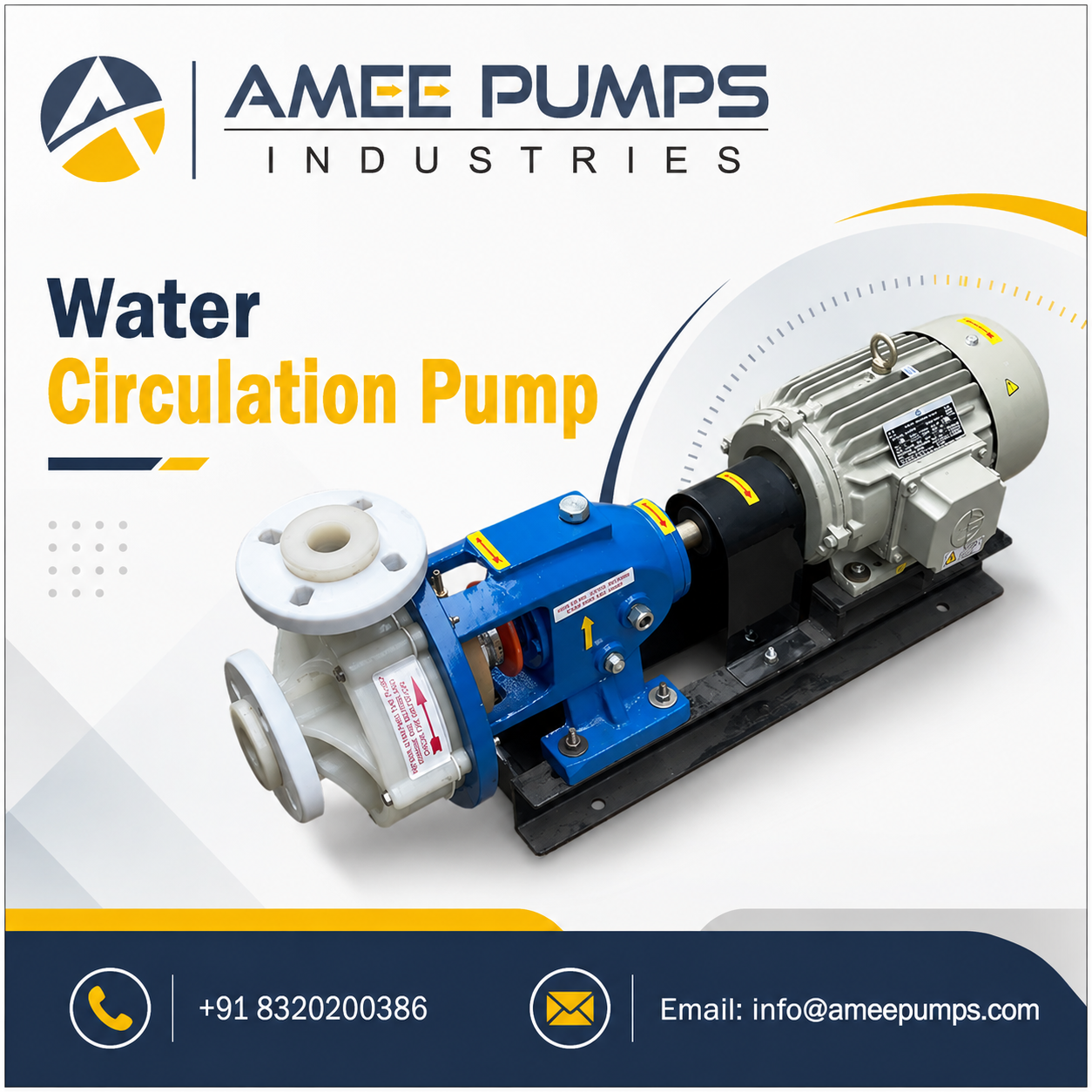
Water Circulation Pump
Expertly designed water circulation pumps for industrial needs in Ahmedabad. Discover reliable, efficient solutions from Amee Pumps Industries.
What is a Water Circulation Pump? — Overview
A water circulation pump, often referred to as a circulator pump, is designed specifically to move water within a closed-loop system. Unlike pumps designed for high-pressure or high-volume transfer, circulator pumps focus on maintaining a steady flow rate at relatively low pressures. They are typically installed in heating, ventilation, and air conditioning (HVAC) systems, as well as industrial process loops. The pump's primary function is to continuously circulate heated or cooled water, ensuring consistent temperature distribution throughout the system.
Key Features and Technical Specifications
When evaluating water circulation pumps, several technical aspects are crucial for ensuring optimal performance and longevity in industrial settings:
- Flow Rate: Measured in liters per minute (LPM) or gallons per minute (GPM), indicating the volume of fluid the pump can move.
- Head Pressure: The maximum height or pressure the pump can generate to overcome system resistance.
- Motor Power: Typically ranging from fractional horsepower to several horsepower, determining the pump's operational capacity.
- Materials of Construction: Options include cast iron, stainless steel, or bronze, selected based on fluid compatibility and corrosion resistance.
- Seal Type: Mechanical seals or packing, critical for preventing leaks and ensuring pump reliability.
- Efficiency Rating: Energy efficiency is vital for reducing operational costs, especially in continuous-duty applications.
- Connection Size: Flange or threaded connections, matching the system's piping requirements.
- Operating Temperature Range: Ability to handle the specific temperature requirements of the circulating fluid.
Industrial Applications and Use Cases
Water circulation pumps are versatile and find application across numerous industrial sectors:
- HVAC Systems: Circulating chilled or hot water for building climate control in commercial and industrial facilities.
- Industrial Cooling: Providing coolant flow to machinery, such as in die-casting, injection molding, or welding equipment.
- Process Heating and Cooling: Maintaining precise temperatures in chemical reactors, batch processing, and other manufacturing steps.
- Boiler Systems: Circulating water within boilers and heating systems to ensure efficient heat transfer.
- Solar Thermal Systems: Moving heated fluid from solar collectors to storage tanks.
- Geothermal Heating and Cooling: Circulating fluid through underground loops for temperature regulation.
- Water Treatment Plants: Facilitating water movement within various treatment stages.
- Closed-Loop Chiller Systems: Ensuring continuous circulation of refrigerant or coolant.
How to Choose the Right Water Circulation Pump
Selecting the appropriate water circulation pump involves careful consideration of your specific operational needs. Here’s a checklist to guide your decision:
- System Flow Requirements: Accurately determine the required flow rate (LPM/GPM) based on the volume of fluid to be circulated and the desired temperature change.
- System Head Requirements: Calculate the total dynamic head (TDH) the pump must overcome, including static lift, friction losses in pipes, and system components.
- Fluid Characteristics: Identify the type of fluid being circulated (e.g., clean water, treated water, glycol mixture) and its temperature to select appropriate materials and seals.
- Power Availability: Ensure the chosen pump's motor specifications are compatible with your site's electrical supply.
- Energy Efficiency: Prioritize pumps with high energy efficiency ratings to minimize long-term operating costs.
- Durability and Reliability: Look for robust construction and quality components suitable for continuous operation in an industrial environment.
- Manufacturer Reputation and Support: Choose a reputable manufacturer with a proven track record and reliable after-sales service.
- Compliance and Certifications: Verify that the pump meets relevant industry standards and certifications for your application.
Quality Standards and Compliance
For industrial water circulation pumps, adherence to stringent quality standards is non-negotiable. Buyers should look for manufacturers who comply with national and international standards such as ISO certifications (e.g., ISO 9001 for quality management). Specific pump performance and safety standards, like those outlined by the Bureau of Indian Standards (BIS) or relevant IEC standards, are also important indicators of quality. Verifying that the pump materials are suitable for the intended fluid and operating conditions, and that the manufacturing process ensures consistent performance and durability, is crucial. A supplier committed to quality control throughout their production process provides greater assurance of a reliable product.
Why Amee Pumps Industries' Experience and Capability Matters
At Amee Pumps Industries, our two decades of experience, led by Mr. Amit Panchal, have been dedicated to understanding and meeting the precise needs of industrial fluid circulation. We leverage a technology-driven approach to design and manufacture pumps that offer both precision and cost-effectiveness. Our manufacturing processes are honed for efficiency, allowing us to deliver reliable solutions without compromising on quality.
We pride ourselves on a proven track record of successful project execution, ensuring that each pump we deliver is built to perform. Our team possesses deep technical expertise, enabling us to provide tailored solutions and robust support. When you choose Amee Pumps Industries, you are partnering with a manufacturer committed to operational excellence and customer satisfaction, ensuring your circulation systems run smoothly and efficiently.
Installation, Maintenance, and Care Tips
Proper installation and regular maintenance are vital for the longevity and efficient operation of your water circulation pump.
Installation
Ensure the pump is installed in a dry, well-ventilated area, protected from extreme temperatures and moisture.
Mount the pump securely to prevent vibration and noise.
Follow the manufacturer's guidelines for piping connections, ensuring proper alignment to avoid stress on the pump casing.
Prime the pump correctly before initial startup to remove any air from the system.
Maintenance
Regularly inspect the pump for leaks, unusual noises, or vibrations.
Check and clean strainers or filters in the system to prevent blockages.
Monitor motor temperature and bearing condition.
For pumps with mechanical seals, check for any signs of wear or leakage.
Perform periodic lubrication of motor bearings if specified by the manufacturer.
Ensure electrical connections are secure and free from corrosion.
Care:
Avoid running the pump dry, as this can damage seals and impellers.
Do not operate the pump against a closed valve for extended periods.
Maintain the recommended operating parameters (flow rate, head) to prevent strain on the motor and pump.
Keep the pump and surrounding area clean to prevent debris from entering the system.
Frequently Asked Questions
A water circulation pump's main role is to move water or other fluids within a closed-loop system, ensuring consistent temperature distribution. This is crucial for applications like HVAC, industrial cooling, and process heating, where maintaining precise temperature control is essential for operational efficiency and product quality.
Sizing involves calculating both the required flow rate (how much fluid needs to move) and the total dynamic head (the resistance the pump must overcome). Accurate assessment of your system's piping, elevation changes, and desired temperature differential is necessary for selecting a pump that meets these demands efficiently.
Common materials include cast iron, stainless steel, and bronze. The choice depends on the fluid being circulated and its temperature. For instance, stainless steel is often preferred for corrosive fluids or systems requiring high purity, while cast iron is suitable for general heating applications.
Indications include unusual noises like grinding or rattling, increased vibration, reduced flow rate, higher energy consumption, or visible leaks from the pump seals. Prompt attention to these signs can prevent system downtime and more costly repairs.
Generally, water circulation pumps are designed for closed-loop systems and are not ideal for high-volume, low-head transfer from sources like wells. They are optimized for maintaining flow within a system rather than for initial fluid intake or high-pressure discharge.
With proper installation, regular maintenance, and operation within its design parameters, an industrial water circulation pump can last anywhere from 10 to 20 years. However, factors like fluid quality, operating conditions, and the quality of the pump itself can significantly influence its lifespan.
Conclusion
For industries in Ahmedabad, ensuring the reliable performance of water circulation pumps is fundamental to maintaining efficient operations, controlling temperatures, and safeguarding equipment. Selecting the right pump involves a thorough understanding of system requirements, including flow rate, head pressure, and fluid characteristics, alongside a commitment to quality and durability. Partnering with an experienced manufacturer like Amee Pumps Industries, with a proven track record in precision engineering and customer-focused solutions, provides the assurance of receiving a robust, efficient, and long-lasting water circulation pump tailored to your specific industrial needs.
Get In Touch
Amee Pumps Industries
