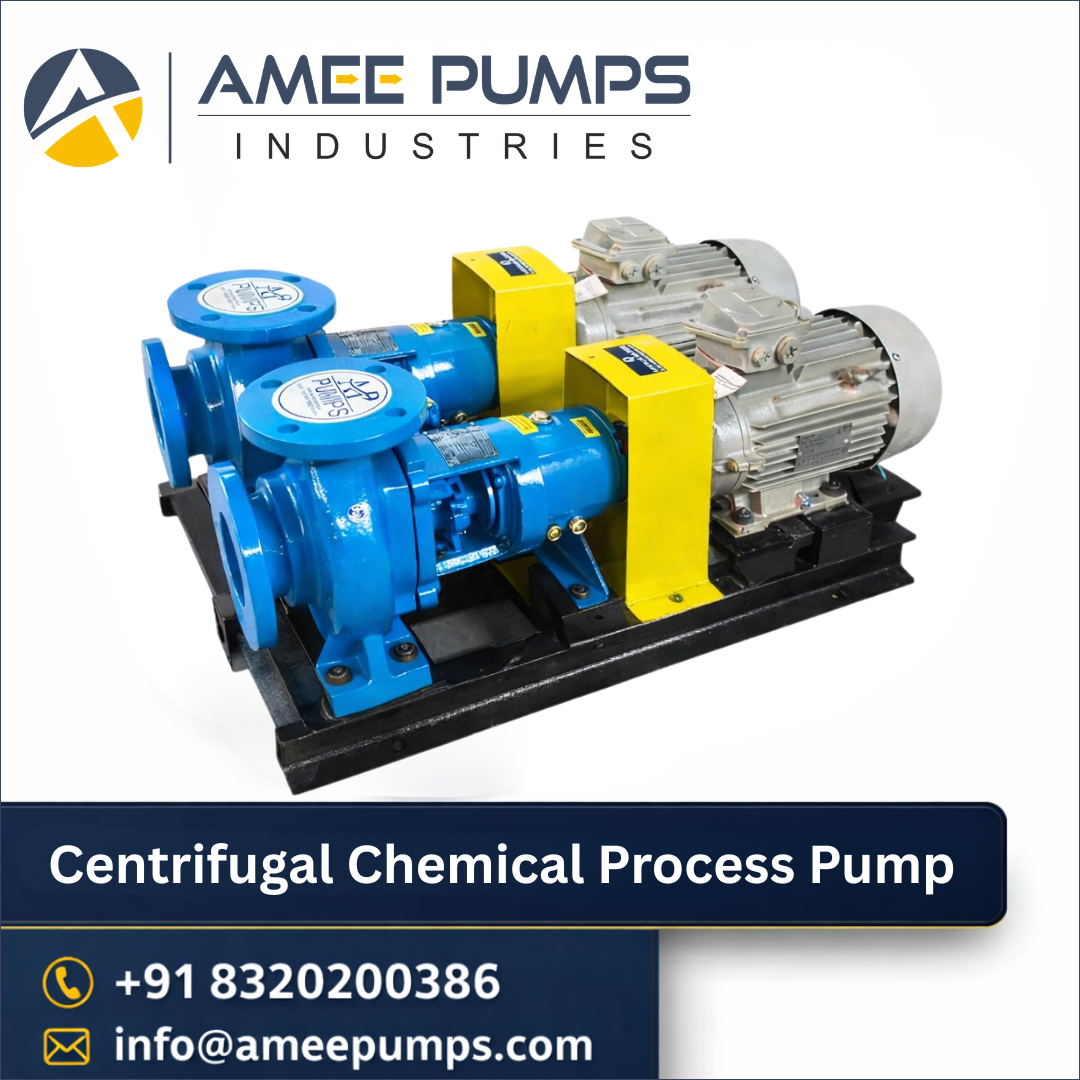
Centrifugal Chemical Process Pump
Expertly engineered centrifugal chemical process pumps for Ahmedabad industries. Discover reliable, efficient, and cost-effective solutions from Amee Pumps Indu
What is a Centrifugal Chemical Process Pump? — Overview
A centrifugal chemical process pump is a type of dynamic pump designed specifically to handle corrosive, erosive, toxic, or otherwise hazardous liquids found in chemical processing. Unlike standard centrifugal pumps, these are constructed from materials resistant to chemical attack and are engineered with features to prevent leaks and ensure safe operation. They work by using a rotating impeller to impart kinetic energy to the fluid, which is then converted into pressure energy as the fluid moves through the pump casing. This design makes them suitable for continuous flow applications across a wide range of chemical transfer duties.
Key Features and Technical Specifications
When evaluating centrifugal chemical process pumps, several key features and specifications are critical for ensuring optimal performance and longevity in chemical applications:
- Material of Construction: Options include various grades of stainless steel (e.g., SS316, SS304), exotic alloys (e.g., Hastelloy, Titanium), and lined materials (e.g., PTFE, PFA) to resist specific chemical corrosion.
- Seal Type: Mechanical seals are crucial for preventing leakage. Options range from single and double mechanical seals to magnetic drives, chosen based on the fluid's properties and safety requirements.
- Impeller Design: Different impeller types (e.g., open, semi-open, closed) are selected based on the fluid's viscosity, solids content, and the required flow characteristics.
- Casing Design: Volute or diffuser casings are used, with specific designs optimized for efficiency and to handle potential cavitation or abrasive wear.
- Flange Standards: Compliance with international standards like ANSI, DIN, or IS ensures proper integration with existing piping systems.
- Bearing Housing: Robust bearing housings are designed for durability and to support the shaft under demanding operating conditions.
- Motor Compatibility: Designed to accept standard industrial motors, with considerations for hazardous area classifications if required.
- Performance Curves: Detailed performance curves indicating head, flow rate, efficiency, and power consumption at various operating points.
Industrial Applications and Use Cases
Centrifugal chemical process pumps are indispensable across a multitude of industrial sectors, facilitating critical fluid transfer operations:
- Chemical Manufacturing: Transferring raw materials, intermediate products, and finished chemicals between reaction vessels, storage tanks, and packaging units.
- Pharmaceuticals: Handling solvents, acids, bases, and purified water in drug synthesis, formulation, and cleaning processes, often requiring high purity and sterile conditions.
- Petrochemicals: Pumping crude oil derivatives, refined fuels, and various process chemicals in refineries and petrochemical plants.
- Water and Wastewater Treatment: Transferring corrosive treatment chemicals like chlorine, sulfuric acid, and caustic soda.
- Food and Beverage: Moving acidic or alkaline cleaning solutions, syrups, and other process fluids where material compatibility is key.
- Pulp and Paper: Pumping bleaching agents, caustic solutions, and process water in paper manufacturing.
- Mining and Metallurgy: Handling acidic leach solutions, slurries, and process chemicals in mineral extraction and metal refining.
- Textile Dyeing: Circulating dyes, acids, and alkaline solutions in textile processing plants.
How to Choose the Right Centrifugal Chemical Process Pump
Selecting the appropriate centrifugal chemical process pump is a critical decision that requires careful consideration of several factors to ensure safety, efficiency, and longevity. A systematic approach will prevent costly mistakes and operational failures.
- Fluid Analysis: Thoroughly understand the chemical properties of the fluid being pumped, including its corrosivity, viscosity, temperature, specific gravity, and presence of solids or abrasives.
- Process Requirements: Define the required flow rate, total dynamic head (TDH), operating pressure, and temperature range for the application.
- Material Compatibility: Select pump materials that are chemically compatible with the fluid at the operating temperature to prevent premature failure due to corrosion or erosion.
- Seal System Requirements: Determine the appropriate seal type (e.g., single, double, cartridge, magnetic drive) based on the fluid's hazard level, operating conditions, and environmental regulations.
- Efficiency and Energy Consumption: Consider the pump's efficiency curve to select a model that operates near its best efficiency point (BEP) for reduced energy costs.
- Regulatory Compliance: Ensure the pump meets relevant industry standards (e.g., API, ISO, ANSI) and any specific safety or environmental regulations applicable to your industry and location.
- Supplier Reputation and Support: Choose a reputable manufacturer or supplier with proven experience in chemical process pumps, offering reliable technical support, spare parts, and after-sales service.
- Installation and Maintenance: Evaluate the ease of installation, maintenance access, and the availability of local service expertise.
Quality Standards and Compliance
For centrifugal chemical process pumps, adherence to stringent quality standards and regulatory compliance is non-negotiable. These pumps often operate under demanding conditions, handling hazardous materials where failure can have severe consequences. Manufacturers must demonstrate commitment to quality through certifications and adherence to recognized industry standards.
Key standards to look for include those from organizations like the American Petroleum Institute (API) for petrochemical applications, International Organization for Standardization (ISO) for general quality management and specific pump designs, and American National Standards Institute (ANSI) for dimensional compatibility. Compliance with local Indian Standards (IS) is also vital. Buyers should verify that the pump materials are certified, that manufacturing processes follow quality control protocols, and that the pump design meets the specific safety requirements for the intended chemical service. This diligence ensures operational reliability, safety, and environmental protection.
Why Amee Pumps Industries' Experience and Capability Matter
With over a decade of dedicated experience since 2009, Amee Pumps Industries has cultivated a deep understanding of the complexities involved in designing and manufacturing centrifugal chemical process pumps. Led by seasoned professionals with extensive expertise, the company leverages a technology-driven approach to deliver solutions that are both precise and cost-effective. This focus on innovation allows for significant reductions in design costs compared to traditional methods, benefiting clients in Ahmedabad and beyond.
AMEE Pumps Industries prides itself on a proven track record, consistently delivering reliable performance and ensuring project success. Their commitment to quality control throughout the manufacturing process, coupled with a capability for customization, ensures that each pump is tailored to meet the specific demands of challenging chemical applications. This blend of technical proficiency, practical design, and a customer-centric focus makes Amee Pumps Industries a trusted partner for industries requiring robust and efficient chemical pumping solutions.
Installation, Maintenance, and Care Tips
Proper installation, regular maintenance, and diligent care are essential for maximizing the lifespan and performance of your centrifugal chemical process pump. Following these guidelines will help prevent premature wear and ensure safe operation.
- Installation: Ensure the pump is installed on a solid, level foundation to prevent vibration. Align the pump and motor shafts precisely during coupling. Connect piping carefully, avoiding stress on the pump casing. Ensure proper grounding for electrical safety.
- Priming: Before starting, ensure the pump casing and suction line are completely filled with the process fluid. Most centrifugal pumps are not self-priming and require this step to operate.
- Start-up: Start the motor and observe the pump's operation. Check for unusual noises, vibrations, or leaks. Verify that the flow direction is correct.
- Regular Inspections: Periodically inspect the pump for leaks, corrosion, or wear on seals, impeller, and casing. Check bearing temperatures and lubrication levels.
- Seal Maintenance: Monitor mechanical seals for any signs of leakage. Follow manufacturer recommendations for seal flushing and replacement schedules.
- Vibration Analysis: Implement a vibration monitoring program to detect early signs of bearing wear, imbalance, or misalignment.
- Cleaning: Keep the pump exterior clean to facilitate inspections and prevent accumulation of corrosive substances.
- Spare Parts: Maintain a stock of critical spare parts, such as seals and gaskets, to minimize downtime in case of failure.
Frequently Asked Questions
Centrifugal chemical process pumps are designed to handle a wide array of chemicals, including acids, alkalis, solvents, hydrocarbons, and abrasive slurries. The specific material of construction for the pump and its seals is critical for compatibility with the particular chemical being pumped.
Sizing involves matching the pump's performance curve to your specific process requirements. You need to know the required flow rate and the total dynamic head (TDH), which includes static lift, friction losses in the piping, and pressure differences.
The material of construction is paramount for chemical pumps as it dictates the pump's resistance to corrosion and erosion from the fluid. Incorrect material selection can lead to rapid pump failure, leaks, and safety hazards. Common materials include various stainless steel grades, alloys like Hastelloy, and non-metallic options like PTFE.
A mechanical seal is a device used to prevent leakage along the rotating shaft where it enters the pump casing. It's crucial for containing hazardous or valuable fluids, protecting the environment, and ensuring operational safety. Different types of seals are available based on the fluid's properties and operating conditions.
Maintenance frequency depends on the pump's operating conditions, the fluid being handled, and the manufacturer's recommendations. Routine inspections should be frequent, while more in-depth maintenance, such as seal replacement or bearing checks, will be scheduled based on operating hours or performance monitoring.
Some centrifugal chemical process pumps are designed to handle fluids containing solids or abrasives, often featuring specialized impeller designs (e.g., vortex or semi-open impellers) and wear-resistant materials. However, for highly abrasive slurries, dedicated slurry pumps might be more appropriate.
Conclusion
For industries in Ahmedabad and across Gujarat, selecting the right centrifugal chemical process pump is a decision that directly impacts operational safety, efficiency, and profitability. Understanding the specific chemical properties, process demands, and material compatibility is crucial. Partnering with experienced manufacturers like Amee Pumps Industries, who offer robust, well-engineered solutions backed by technical expertise and a commitment to quality, ensures that your chemical transfer operations are reliable and secure. Diligent installation, regular maintenance, and adherence to quality standards will further guarantee the long-term performance of these vital industrial assets.
Get In Touch
Amee Pumps Industries
