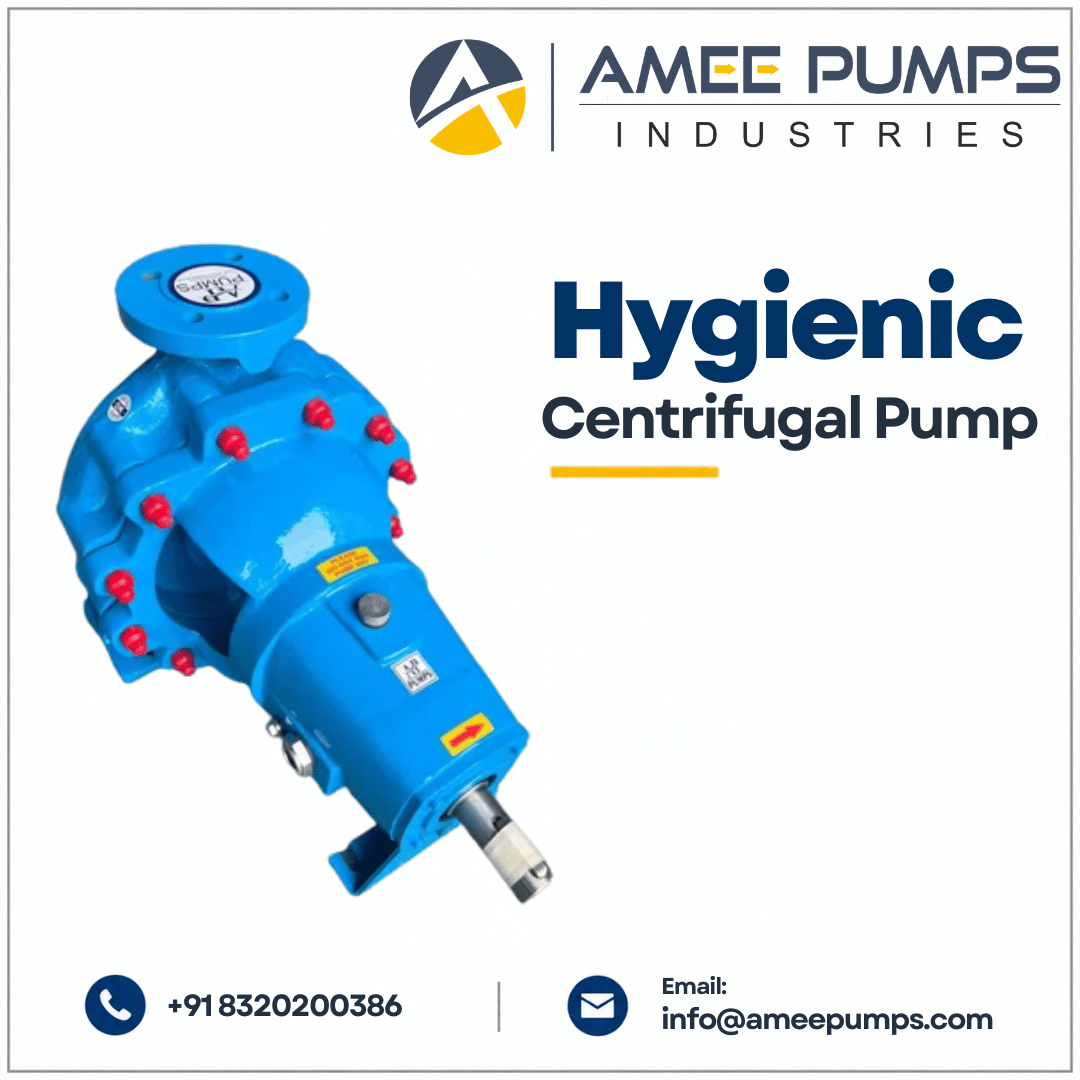
Hygienic Centrifugal Pump
In industries where purity, cleanliness, and safety are paramount, the choice of fluid handling equipment is critical. Hygienic centrifugal pumps are specifically engineered to meet these stringent demands, ensuring contamination-free transfer of liquids across sectors like food and beverage, pharmaceuticals, dairy, cosmetics, and biotechnology. These pumps are designed not just for efficiency, but for integrity, making them an indispensable component in maintaining product quality and regulatory compliance.
Understanding Hygienic Centrifugal Pumps
Hygienic centrifugal pumps represent a specialized category of pumps designed to handle fluids in environments with strict hygiene requirements. Unlike standard industrial pumps, their construction and design focus on preventing contamination, facilitating thorough cleaning, and ensuring compatibility with sensitive products.
At their core, these pumps utilize centrifugal force to move fluids. An impeller rotates within a casing, imparting kinetic energy to the liquid. As the impeller spins, it draws fluid into the pump and then expels it at a higher velocity and pressure through the discharge outlet. The 'hygienic' aspect comes from the meticulous engineering and material selection that go into these pumps.
Key characteristics include robust stainless steel construction, typically 316L grade, which offers excellent corrosion resistance and a smooth, non-porous surface. This smooth finish is vital for preventing microbial growth and facilitating easy cleaning. Furthermore, they are designed with sanitary connections and minimal crevices, reducing the potential for dead spots where residues can accumulate.
Many hygienic centrifugal pumps are designed for Clean-In-Place (CIP) and Sterilize-In-Place (SIP) compatibility. This means they can be effectively cleaned and sterilized without being disassembled, which is crucial for maintaining continuous operation and high hygiene standards in processing plants.
Applications of Hygienic Centrifugal Pumps
The versatility and reliability of hygienic centrifugal pumps make them suitable for a wide array of applications across various sensitive industries:
- Food and Beverage: Transferring ingredients like water, juices, syrups, beer, wort, and edible oils. Their efficiency and ease of cleaning are vital for maintaining product quality and preventing cross-contamination.
- Dairy Processing: Handling milk, whey, cream (for lower viscosity applications), and cleaning solutions (CIP). The stainless steel construction ensures no metallic ions leach into sensitive dairy products.
- Pharmaceuticals: Moving purified water, solvents, and intermediate products where absolute purity is non-negotiable. Compliance with strict pharmaceutical standards is a key consideration.
- Cosmetics: Pumping lotions, creams (low viscosity), shampoos, and other personal care products where contamination can affect product safety and efficacy.
- Biotechnology: Used in processes involving fermentation broths, cell cultures, and other sensitive biological fluids that require sterile handling.
- Water Treatment: Transferring process water, wastewater, and chemicals in facilities that require sanitary fluid handling.
It's important to note that while excellent for thin, low-viscosity fluids, hygienic centrifugal pumps are generally not the ideal choice for highly viscous or shear-sensitive products like thick yogurts or dough. In such cases, alternative pump technologies like rotary lobe pumps might be more appropriate.
Key Benefits of Utilizing Hygienic Centrifugal Pumps
Investing in high-quality hygienic centrifugal pumps offers significant advantages for processing industries:
Purity and Contamination Prevention
Designed with smooth surfaces, minimal crevices, and often 316L stainless steel, they prevent microbial adhesion and ensure product integrity.
Ease of Cleaning
CIP/SIP compatibility significantly reduces downtime and labor associated with cleaning and sterilization, ensuring consistent hygiene.
Durability and Low Maintenance
Robust stainless steel construction leads to a long service life and reduced maintenance requirements, minimizing operational disruptions.
Energy Efficiency
Centrifugal designs are often highly energy-efficient, especially for high-flow, low-viscosity applications, contributing to lower operational costs.
Regulatory Compliance
Built to meet stringent industry standards like 3-A and EHEDG, with FDA-compliant materials, they help facilities meet regulatory demands.
Selecting the Right Hygienic Centrifugal Pump
Choosing the appropriate hygienic centrifugal pump requires careful consideration of several factors to ensure optimal performance and compliance. AMEE PUMPS INDUSTRIES, located in Ahmedabad, Gujarat, India, offers a range of hygienic pumps designed for demanding applications.
Buyer Insight: Material Finish Matters
For pharmaceutical and high-purity applications, the surface finish of the stainless steel is critical. Look for pumps with electropolished finishes (e.g., Ra ≤ 0.8 µm) to achieve an ultra-smooth surface that further minimizes bacterial adhesion and simplifies cleaning.
Key Selection Criteria:
Consider the following when evaluating hygienic centrifugal pump options:
Application-Specific Needs
- Fluid Properties: Primarily for low-viscosity fluids. Assess viscosity, temperature, and any solids content.
- Hygiene Standards: Confirm compliance with relevant standards (3-A, EHEDG, FDA).
- Flow and Pressure Requirements: While precise figures should be confirmed with the supplier, understand the general range needed for your process.
Pump Design and Construction
- Materials: Ensure 316L stainless steel or equivalent for wetted parts.
- Sealing: Mechanical seals must be compatible with the fluid and cleaning processes.
- Connections: Hygienic clamp or flange connections are essential.
- Cleanability: Verify CIP/SIP capabilities and ease of disassembly for manual cleaning if required.
Supplier Reliability
- Experience: Look for manufacturers with a proven track record in hygienic pump technology.
- Support: Ensure availability of technical support and spare parts.
- Customization: Some applications may require tailored solutions.
AMEE PUMPS INDUSTRIES: Your Partner for Hygienic Pumping Solutions
Based in Ahmedabad, Gujarat, India, AMEE PUMPS INDUSTRIES has been manufacturing and supplying specialized pumps since 2009. They understand the critical importance of purity, cleanliness, and safety in demanding industrial processes. Their range includes robust Stainless Steel Centrifugal Pumps and Centrifugal Back Pull Out Pumps, engineered to meet the rigorous standards of industries that cannot compromise on hygiene.
AMEE PUMPS INDUSTRIES focuses on providing reliable fluid handling solutions. Their commitment is to deliver pumps that ensure contamination-free operations, are easy to maintain, and contribute to the overall efficiency and integrity of your production lines. They offer a selection of pumps designed for critical applications where performance and safety go hand-in-hand.
Frequently Asked Questions about Hygienic Centrifugal Pumps
What is the main purpose of a hygienic centrifugal pump?
The main purpose is to transfer fluids in environments requiring high levels of purity, cleanliness, and safety, preventing contamination of the product. They are designed for easy cleaning and compliance with strict industry regulations.
Which industries commonly use hygienic centrifugal pumps?
Common industries include food and beverage, dairy, pharmaceuticals, cosmetics, and biotechnology, where maintaining product integrity and preventing contamination are essential.
Are hygienic centrifugal pumps suitable for all types of fluids?
They are best suited for thin, low-viscosity, water-like fluids. For highly viscous or shear-sensitive products, other pump types like rotary lobe pumps may be more appropriate.
What does CIP/SIP compatibility mean for a pump?
CIP (Clean-In-Place) and SIP (Sterilize-In-Place) compatibility means the pump can be effectively cleaned and sterilized while installed in the process line, without needing to be manually disassembled. This saves time and ensures consistent hygiene.
Why is stainless steel construction important for hygienic pumps?
Stainless steel, particularly grades like 316L, is chosen for its excellent corrosion resistance, durability, and its non-porous, smooth surface finish. This finish prevents microbial growth and makes the pump easy to clean and sanitize, ensuring product purity.
Ready to Ensure Purity in Your Process?
Selecting the right hygienic centrifugal pump is crucial for maintaining product quality and meeting regulatory standards. Explore reliable solutions designed for your critical applications.
Discover AMEE PUMPS INDUSTRIES Solutions