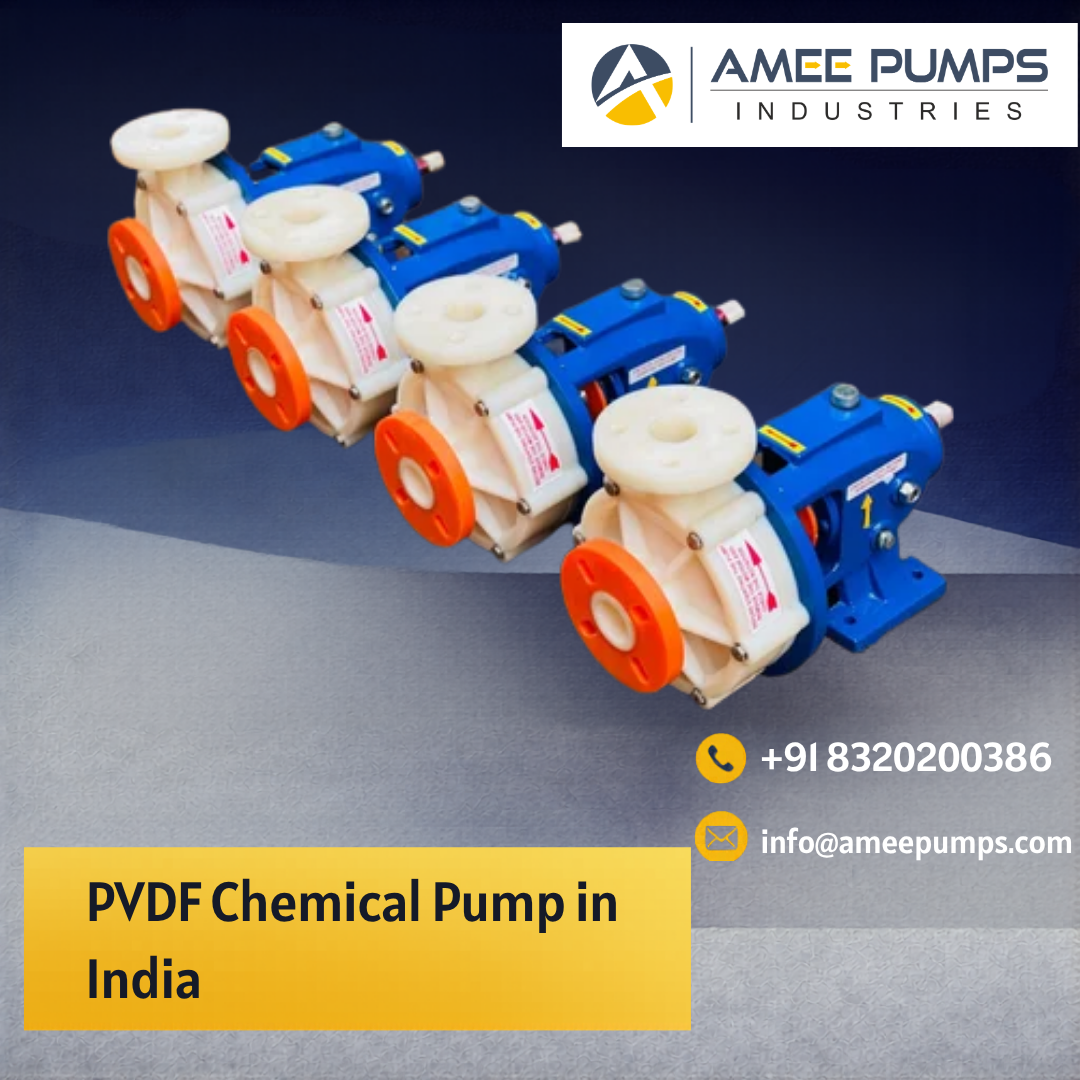
PVDF Chemical Pump in India
Explore PVDF chemical pumps in India for reliable handling of corrosive fluids. Amee Pumps Industries offers durable, high-performance solutions for demanding i
Why This Matters in India
India's industrial landscape, particularly in sectors like chemicals, pharmaceuticals, textiles, and water treatment, relies heavily on efficient and safe fluid handling. Many manufacturing processes involve strong acids, alkalis, and solvents that can rapidly degrade conventional pump materials. The need for reliable, corrosion-resistant pumping solutions is paramount to maintain production schedules, reduce maintenance costs, and comply with environmental and safety regulations. Local availability and expert support for these specialized pumps are essential for Indian industries.
What is a PVDF Chemical Pump — Overview
A PVDF chemical pump is a type of industrial pump specifically engineered with Polyvinylidene Fluoride as its primary wetted material. This thermoplastic polymer is renowned for its outstanding chemical inertness, high mechanical strength, and thermal stability. These pumps are designed to transfer a wide range of aggressive and corrosive liquids that would typically damage pumps made from metals or other plastics. Their construction ensures reliable operation in harsh chemical environments, making them indispensable for critical process applications.
Key Features and Technical Specifications
- Superior Chemical Resistance: PVDF material is highly resistant to most acids, alkalis, organic solvents, and halogens, ensuring long service life in corrosive media.
- High Mechanical Strength: Offers excellent tensile strength, stiffness, and abrasion resistance, contributing to durability under demanding operational conditions.
- Wide Operating Temperature Range: Capable of handling fluids across a broad temperature spectrum, from cryogenic conditions up to approximately 140°C.
- UV and Weather Resistance: PVDF exhibits strong resistance to ultraviolet radiation and weathering, suitable for both indoor and outdoor installations.
- Low Permeability: Minimizes the permeation of gases and liquids, enhancing safety and preventing contamination.
- Smooth Surface Finish: Reduces friction and prevents the buildup of deposits, ensuring efficient flow and easier cleaning.
- Various Sealing Options: Available with robust mechanical seals or sealless magnetic drive designs to prevent leakage of hazardous fluids.
- Compliance with Standards: Manufactured to meet relevant industrial standards for material quality and performance.
Industrial Applications and Use Cases
- Chemical Processing: Transferring concentrated acids (sulfuric, hydrochloric, nitric), strong alkalis, and various organic solvents in chemical manufacturing plants.
- Pharmaceutical Industry: Handling corrosive reagents, intermediates, and purified water in drug production and research facilities.
- Water and Wastewater Treatment: Pumping chlorine, hypochlorite, ozone, and other aggressive chemicals used for disinfection and purification processes.
- Dye and Pigment Manufacturing: Circulating corrosive dyes, pigments, and process chemicals that require high chemical resistance.
- Electroplating and Surface Finishing: Managing plating solutions, pickling acids, and rinse waters in metal finishing operations.
- Fertilizer Production: Transferring phosphoric acid, sulfuric acid, and other corrosive components in fertilizer manufacturing.
- Pulp and Paper Industry: Handling bleaching agents, process chemicals, and corrosive effluents.
- Mining and Metallurgy: Pumping acidic slurries and leaching solutions in mineral processing.
How to Choose the Right PVDF Chemical Pump
Selecting an appropriate PVDF chemical pump involves a detailed assessment of your specific application requirements to ensure optimal performance and safety. A careful evaluation helps in making an informed decision that aligns with operational demands.
- Chemical Compatibility: Verify the specific chemical, its concentration, and operating temperature against the PVDF material's resistance data.
- Flow Rate and Head Requirements: Determine the necessary volumetric flow and the total dynamic head the pump must overcome to ensure efficient fluid transfer.
- Operating Temperature and Pressure: Confirm that the pump's design and material specifications can withstand the maximum and minimum temperatures and pressures of your process.
- Seal Type: Choose between mechanical seals for general applications or a sealless magnetic drive pump for highly hazardous or sensitive fluids where zero leakage is critical.
- Motor Specifications: Select a motor with adequate power, appropriate voltage, and enclosure rating (e.g., IP55, explosion-proof) suitable for the operating environment.
- Certifications and Compliance: Ensure the pump and its components meet relevant industry standards, such as ISO 9001 for quality management, and any specific material standards.
- Supplier's Experience and Support: Evaluate the manufacturer's track record, technical expertise, customization capabilities, and the availability of after-sales service and spare parts.
Quality Standards and Compliance
Adherence to stringent quality standards is non-negotiable for chemical pumps, especially those handling hazardous materials. Buyers should verify that PVDF chemical pumps comply with established industry benchmarks. This includes material traceability, ensuring the PVDF used meets specific ASTM or DIN standards for purity and performance. Manufacturing processes should align with quality management systems like ISO 9001, which covers design, production, installation, and service. Furthermore, verifying that the pump undergoes rigorous testing for hydraulic performance, pressure integrity, and leak prevention before dispatch is crucial for operational reliability and safety.
Why Company Experience and Capability Matters
The reliable performance of a PVDF chemical pump hinges significantly on the experience and technical capability of its manufacturer. Amee Pumps Industries, with two decades of expertise led by Mr. Amit Panchal, understands the nuances of designing and manufacturing pumps for challenging chemical environments. Our tech-driven approach ensures precision engineering, resulting in pumps that offer high reliability and efficiency. We focus on robust quality control throughout the manufacturing process, from material selection to final assembly, ensuring each pump meets stringent performance criteria. Our capability extends to offering customized solutions tailored to specific chemical compositions, flow rates, and operational parameters, supported by reliable delivery and comprehensive after-sales service. This commitment ensures long-term operational efficiency and peace of mind for our clients.
Installation, Maintenance and Care Tips
Proper installation and routine maintenance are essential for maximizing the lifespan and ensuring the safe operation of PVDF chemical pumps. Following these guidelines helps maintain performance and prevent premature wear.
Installation
Ensure the pump is installed on a level, rigid foundation to minimize vibration.
Properly align the pump and motor to prevent excessive stress on bearings and seals.
Use flexible connections where possible to absorb vibration and thermal expansion.
Verify all piping is adequately supported to avoid imposing strain on the pump casing.
Maintenance
Regularly inspect the pump for any signs of leakage, especially around seals and connections.
Monitor motor temperature and vibration levels to detect potential issues early.
Check fluid levels in mechanical seal flush systems, if applicable, and ensure proper flow.
Periodically inspect the impeller and casing for wear or chemical attack, replacing components as needed.
Follow the manufacturer's recommendations for lubrication schedules for motor bearings.
Care Tips
Always ensure the pump operates within its specified flow, head, temperature, and pressure limits.
Avoid running the pump dry, as this can severely damage seals and internal components.
When handling different chemicals, ensure proper flushing procedures are followed to prevent cross-contamination or adverse reactions.
- Store spare parts, such as seals and gaskets, in a clean, dry environment to maintain their integrity.
Frequently Asked Questions
PVDF is highly suitable for chemical pumps due to its exceptional resistance to a broad spectrum of aggressive chemicals, including strong acids, bases, and organic solvents. It also exhibits high mechanical strength, thermal stability, and resistance to UV radiation, ensuring durability and reliable performance in corrosive industrial environments where other materials would quickly degrade.
Yes, PVDF chemical pumps are designed to operate effectively across a wide temperature range. While specific limits can vary by manufacturer and pump design, PVDF typically maintains its integrity and chemical resistance at temperatures up to approximately 140°C, making it suitable for many high-temperature chemical processes.
PVDF pumps can transfer a diverse array of corrosive chemicals, including concentrated sulfuric acid, hydrochloric acid, nitric acid, sodium hydroxide, chlorine, bromine, and various organic solvents. Their inert nature ensures that the pump material does not react with or contaminate the transferred fluid, preserving chemical purity.
A PVDF pump significantly enhances operational safety by preventing leaks and equipment failures when handling hazardous chemicals. Its robust chemical resistance minimizes the risk of material degradation, which could lead to spills, exposure, and environmental contamination. This reliability helps protect personnel and ensures compliance with safety regulations.
Routine maintenance for PVDF chemical pumps typically involves regular inspection for leaks, monitoring motor performance, and checking for any signs of wear on wetted parts. Depending on the pump design, periodic lubrication of bearings and replacement of seals may be necessary. Adhering to the manufacturer's maintenance schedule is crucial for longevity.
Yes, many manufacturers in India, including Amee Pumps Industries, offer PVDF chemical pumps that can be customized to meet specific industrial application requirements. This includes tailoring flow rates, head capacities, motor specifications, and sealing arrangements to perfectly match the unique demands of a particular chemical process or facility.
Conclusion
The selection of a PVDF chemical pump represents a strategic investment for industries in India dealing with corrosive and aggressive fluids. These pumps offer a combination of chemical inertness, mechanical strength, and thermal stability that ensures operational safety and long-term reliability. Choosing a pump from an experienced manufacturer, one that prioritizes precision engineering and quality, is paramount. By focusing on the right specifications and ensuring proper installation and maintenance, businesses can achieve efficient and secure fluid handling, contributing to overall productivity and environmental responsibility.
Get In Touch
Amee Pumps Industries
