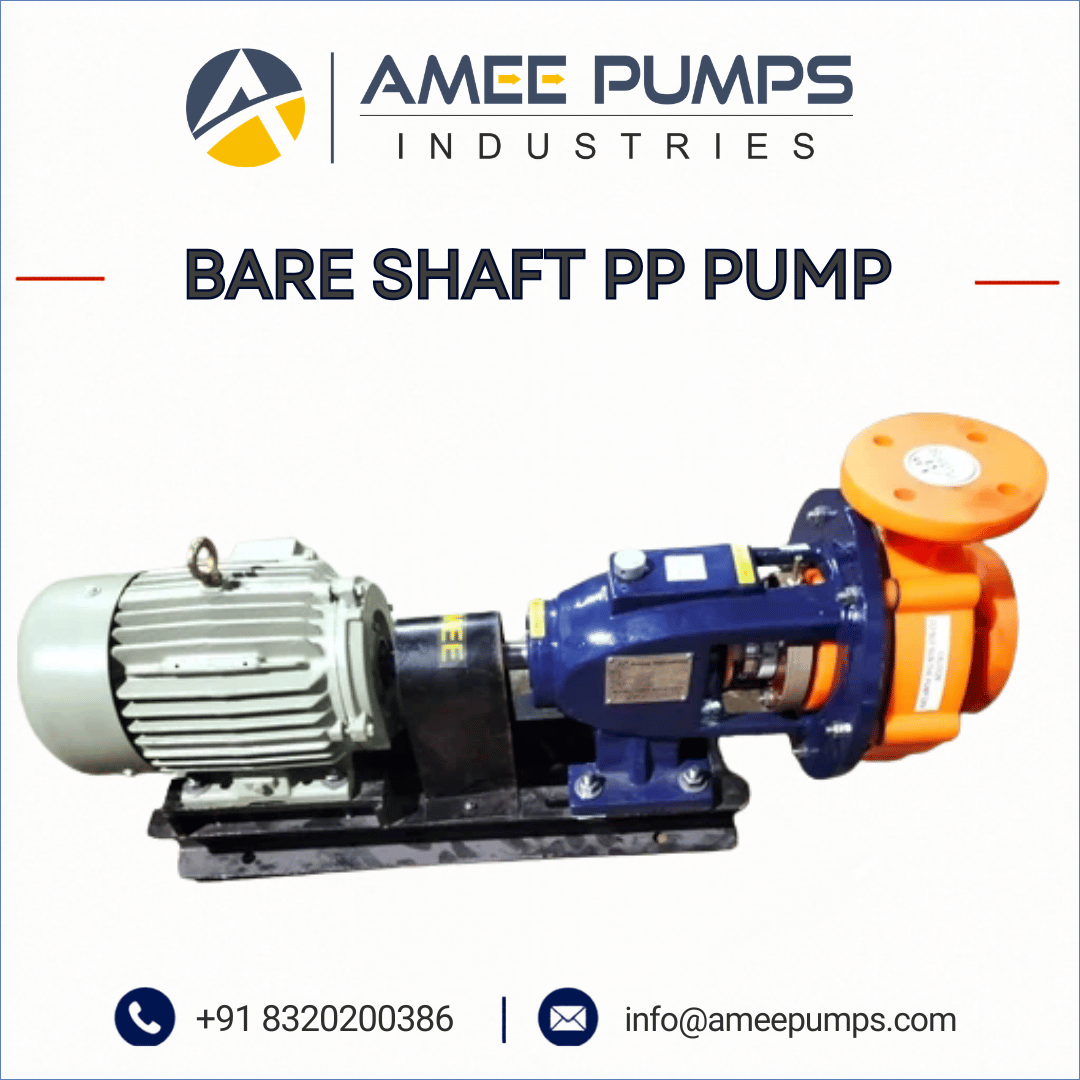
Bare Shaft PP Pump
A Bare Shaft PP Pump is a specialized piece of industrial equipment designed for fluid transfer applications where exceptional chemical resistance is paramount. These pumps, constructed primarily from Polypropylene (PP), are engineered to handle aggressive and corrosive media that would degrade conventional pump materials. The 'bare shaft' designation indicates that the pump unit itself is supplied without an integrated motor or base frame, allowing for flexible integration with a chosen drive system tailored to specific operational requirements. This makes them a versatile and robust solution for a multitude of demanding industrial processes.
Understanding Bare Shaft PP Pumps
The core advantage of a Bare Shaft PP Pump lies in its material of construction. Polypropylene (PP) is a thermoplastic polymer renowned for its superior resistance to a broad spectrum of chemicals, including acids, alkalis, and solvents. This inherent chemical inertness makes PP pumps an indispensable choice for industries dealing with corrosive fluids, where material degradation can lead to equipment failure, contamination, and safety hazards. Unlike pumps made from metals that can corrode, PP maintains its structural integrity and performance over time when exposed to aggressive substances.
The 'bare shaft' configuration offers significant design flexibility. By omitting the motor and base, users can select a drive system (such as an electric motor, engine, or hydraulic motor) that perfectly matches the required speed, power, and operational environment. This modular approach can also simplify maintenance and replacement of the drive components independently of the pump itself. While offering excellent chemical resilience, it's important to note that PP materials typically have temperature limitations and can be affected by certain aggressive solvents, factors that must be considered during selection and application.
The construction of these pumps focuses on reliability and efficient fluid handling. They are designed to operate effectively within their specified parameters, providing a dependable means of transferring challenging liquids. The simplicity of the pump's mechanical design, coupled with the chemical resistance of polypropylene, contributes to a longer service life in corrosive environments.
Key Applications and Use Cases
The versatility and robust chemical resistance of Bare Shaft PP Pumps make them suitable for a wide array of demanding industrial applications:
- Chemical Processing: Transferring acids, bases, plating solutions, and other corrosive chemicals in manufacturing processes.
- Wastewater Treatment: Handling acidic or alkaline wastewater streams, sludge, and chemical treatment fluids.
- Electroplating and Metal Finishing: Circulating and transferring aggressive plating baths and cleaning solutions that would quickly corrode metal pumps.
- Pharmaceutical and Food Processing: Used in specific applications where chemical inertness and cleanability are critical, provided temperature and solvent compatibility are met.
- Textile and Dyeing: Managing corrosive dyes and treatment chemicals.
- Water Treatment: Dosing and transferring treatment chemicals such as coagulants and flocculants.
- General Industrial Use: Any application involving the transfer of corrosive or aggressive liquids where a tailored drive solution is beneficial.
Buyer Insight: Material Compatibility
When selecting a Bare Shaft PP Pump, always verify the compatibility of polypropylene with the specific chemicals and operating temperatures involved. Consult chemical resistance charts and consider potential solvent effects to ensure optimal performance and longevity.
Benefits of Utilizing Bare Shaft PP Pumps
Choosing a Bare Shaft PP Pump offers several compelling advantages for industrial operations:
- Exceptional Chemical Resistance: Polypropylene provides excellent protection against a wide range of corrosive acids, alkalis, and other aggressive media.
- Corrosion Prevention: Eliminates the risk of rust and corrosion associated with metal pumps in harsh environments.
- Lightweight Design: PP is a relatively lightweight material, which can simplify handling and installation, especially for larger pump units.
- Cost-Effectiveness: For many corrosive fluid applications, PP pumps can offer a more economical solution compared to pumps made from exotic alloys or specialized materials.
- Design Flexibility: The bare shaft configuration allows for customization of the drive system to meet specific application needs.
- Reduced Maintenance in Corrosive Environments: The inherent resistance of PP to chemical attack leads to a longer operational lifespan and reduced frequency of replacement compared to less resistant materials.
Selecting the Right Bare Shaft PP Pump
Choosing the appropriate Bare Shaft PP Pump involves careful consideration of several factors to ensure optimal performance and reliability. AMEE PUMPS INDUSTRIES, as a manufacturer of industrial pumps including those made from Polypropylene, understands the critical nature of matching pump capabilities to application demands.
Key Selection Criteria:
Quality Assurance and Checks:
When procuring a Bare Shaft PP Pump, especially from a dedicated manufacturer like AMEE PUMPS INDUSTRIES, inquire about their quality control processes. Reputable manufacturers will have stringent checks to ensure material integrity, dimensional accuracy, and overall performance meet specified standards. This includes verifying the correct grade of Polypropylene is used and that manufacturing processes do not compromise its chemical resistance properties.
Questions to Ask Before Buying:
- What is the precise chemical compatibility of this pump model with my specific fluid?
- What are the maximum and minimum operating temperature limits for this PP pump?
- Can you provide guidance on selecting an appropriate drive system for my application?
- What are the recommended maintenance procedures for this bare shaft pump?
- How does the manufacturer ensure the quality and consistency of the Polypropylene material used?
By addressing these questions and carefully evaluating the selection criteria, you can ensure that the chosen Bare Shaft PP Pump will effectively and reliably meet your industrial fluid transfer needs.
AMEE PUMPS INDUSTRIES: Your Partner for Industrial Pumping Solutions
AMEE PUMPS INDUSTRIES is a dedicated manufacturer of a diverse range of industrial pumps. Our expertise includes the production of Polypropylene (PP) pumps designed to excel in challenging environments. We understand the critical need for reliable equipment when handling corrosive fluids across various sectors, including chemical processing, wastewater treatment, and electroplating. While we offer a broad spectrum of pump types, our commitment is to provide robust solutions tailored to the unique demands of your industrial applications. We focus on manufacturing quality pumps that deliver performance and durability, ensuring that your fluid handling processes operate efficiently and safely.
Frequently Asked Questions (FAQ)
What distinguishes a bare shaft pump from a close-coupled or frame-mounted pump?
A bare shaft pump is supplied without a motor or base frame, requiring the user to source and integrate a separate drive. Close-coupled pumps have the motor mounted directly to the pump casing, sharing a common shaft. Frame-mounted pumps feature a separate base and coupling between the pump and motor, offering more flexibility than close-coupled designs but less than bare shaft for drive selection.
Can PP pumps handle all types of chemicals?
Polypropylene offers excellent resistance to a wide range of chemicals, particularly acids and alkalis. However, it has limitations with certain strong oxidizing agents and specific organic solvents at elevated temperatures. Always consult a chemical resistance chart for specific fluid compatibility.
What are the temperature limitations for Polypropylene pumps?
Typical continuous operating temperature limits for Polypropylene are around 60-80°C (140-176°F), depending on the specific grade of PP and the chemical environment. Exceeding these limits can lead to deformation and reduced chemical resistance.
Why choose a bare shaft configuration for a PP pump?
The bare shaft configuration provides maximum flexibility in selecting the drive (motor type, speed, power) to precisely match application requirements. It can also simplify maintenance by allowing independent servicing or replacement of the drive unit.
Are there specific industries where bare shaft PP pumps are commonly used?
Yes, they are commonly used in chemical processing, electroplating, wastewater treatment, metal finishing, and other industries that frequently handle corrosive or aggressive fluids where standard pump materials would fail.
Ready to Optimize Your Corrosive Fluid Handling?
Explore the robust solutions offered by AMEE PUMPS INDUSTRIES. Whether you need a pump for chemical processing, wastewater treatment, or other demanding applications, we can help you find the right fit. Request a tailored solution today and experience the reliability of our industrial pumps.
Contact Us for a Quote