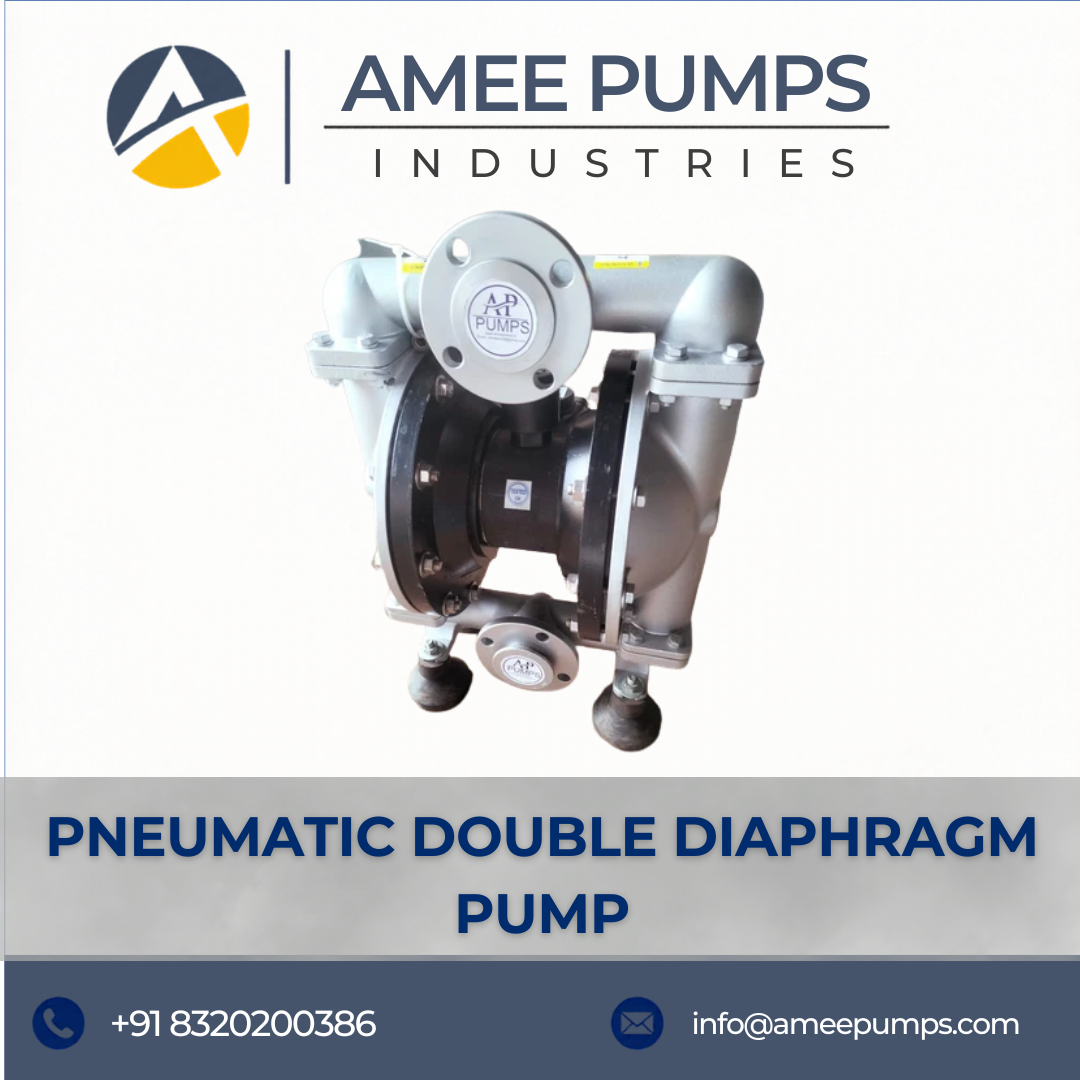
Pneumatic Double Diaphragm Pump
Explore pneumatic double diaphragm pumps for safe and efficient fluid transfer in Ahmedabad's industrial sectors. Understand features, applications, and selecti
Why This Matters in Ahmedabad, Gujarat
Ahmedabad and the broader Gujarat region are significant industrial hubs, home to thriving sectors such as chemical manufacturing, pharmaceuticals, textiles, ceramics, and food processing. These industries inherently deal with a wide array of liquids, many of which are hazardous, sensitive, or difficult to pump using conventional methods. The demand for reliable, low-maintenance, and safe fluid transfer equipment is consistently high. PDD pumps address this critical need by offering a solution that can handle aggressive media without mechanical seals, reducing leakage risks and enhancing operational safety in these demanding environments.
What is a Pneumatic Double Diaphragm Pump – Overview
A pneumatic double diaphragm (PDD) pump, often referred to as an Air-Operated Double Diaphragm (AODD) pump, is a positive displacement pump that uses compressed air as its power source. It operates by alternately moving two flexible diaphragms back and forth within a pump chamber. As one diaphragm moves away from the center, it creates a vacuum that draws fluid into the chamber. Simultaneously, the other diaphragm pushes fluid out of its chamber. This reciprocating action, controlled by an air valve, allows the pump to transfer fluids with a gentle, pulsation-free flow, making it suitable for a wide range of industrial applications.
Key Features and Technical Specifications
- Self-Priming Capability: Can draw fluid from a dry start without external priming.
- Dry Run Operation: Capable of running dry indefinitely without damage, unlike many other pump types.
- Variable Flow Rate and Discharge Pressure: Easily adjustable by regulating the air supply pressure.
- Solids Handling: Designed to pass solids up to a certain size, depending on valve type and pump model.
- Shear-Sensitive Fluid Transfer: Gentle pumping action minimizes product degradation for delicate fluids.
- Leak-Free Design: No mechanical seals, reducing the risk of leaks and emissions.
- Material Versatility: Available in various materials like polypropylene, PVDF, stainless steel, and aluminum to suit different chemical compatibilities.
- Portable and Submersible Options: Many models are lightweight and can be easily moved or submerged in fluid.
Industrial Applications and Use Cases
- Chemical Transfer: Safely handling acids, alkalis, solvents, and corrosive chemicals in manufacturing plants.
- Wastewater Treatment: Pumping sludge, slurries, and effluent with suspended solids.
- Paints and Coatings: Transferring viscous paints, inks, and adhesives without shear damage.
- Ceramics Industry: Moving ceramic slip, glazes, and abrasive slurries.
- Food and Beverage: Transferring syrups, oils, sauces, and other food-grade liquids (with appropriate material certifications).
- Pharmaceuticals: Handling active pharmaceutical ingredients, solvents, and sterile liquids.
- Oil and Gas: Pumping drilling mud, crude oil, and various process fluids.
- Mining: Transferring mine dewatering, abrasive slurries, and chemical reagents.
How to Choose the Right Pneumatic Double Diaphragm Pump
Selecting an appropriate PDD pump involves careful consideration of several operational factors to ensure efficiency and longevity. Matching the pump to the specific application prevents premature wear and optimizes performance. Buyers should evaluate these points before making a decision.
- Fluid Characteristics: Assess viscosity, specific gravity, temperature, chemical compatibility, and presence of solids.
- Flow Rate and Pressure Requirements: Determine the necessary volume of fluid to be transferred per unit time and the required discharge pressure.
- Material Compatibility: Ensure the pump body, diaphragms, valve balls, and seats are compatible with the fluid to prevent corrosion or degradation.
- Certifications and Standards: Verify compliance with relevant industry standards, especially for hazardous or sanitary applications.
- Air Supply Availability: Confirm the availability of clean, dry compressed air at the required pressure and volume.
- Supplier Experience and Support: Choose a supplier with a proven track record in pump technology and reliable after-sales service.
- Customization Options: Evaluate if the supplier can provide tailored solutions for unique operational challenges.
Quality Standards and Compliance
Adherence to quality standards is paramount for industrial pumps, particularly for pneumatic double diaphragm pumps handling critical or hazardous fluids. Buyers should look for manufacturers and suppliers who comply with recognized international and national standards. This includes ISO 9001 for quality management systems, ensuring consistent manufacturing processes. For pumps used in potentially explosive atmospheres, ATEX certification is often a critical requirement. Material certifications, such as those for FDA compliance in food and pharmaceutical applications, are also essential. Verifying these standards helps ensure the pump's reliability, safety, and performance over its operational lifespan.
Why Company Experience and Capability Matters
The long-term performance and reliability of a pneumatic double diaphragm pump largely depend on the engineering expertise and manufacturing capabilities of its producer. Amee Pumps Industries, established in 2009, brings over a decade of focused experience to the pump industry. Under the guidance of Mr. Amit Panchal, with two decades of expertise, the company emphasizes a tech-driven approach to pump design and manufacturing. This commitment translates into precision-engineered solutions that are both efficient and practical for industrial use.
Amee Pumps Industries focuses on a streamlined manufacturing process, ensuring that each pump meets specific application demands. Their technical capability allows for the development of robust designs that handle challenging fluids reliably. The team's experience ensures rigorous quality control throughout production, from material selection to final assembly. This dedication to precision and performance supports their reported 100% success rate on projects, providing buyers with confidence in the durability and effectiveness of their pump solutions. Their ability to deliver consistent quality and reliable performance makes them a dependable partner for industrial fluid transfer needs in Ahmedabad and beyond.
Installation, Maintenance, and Care Tips
Proper installation and routine maintenance are crucial for maximizing the lifespan and efficiency of a pneumatic double diaphragm pump. Following manufacturer guidelines ensures safe and optimal operation.
Installation
Ensure a clean, dry, and regulated compressed air supply is connected.
Use appropriate piping and fittings that are compatible with the fluid and pressure.
Mount the pump securely on a stable surface to minimize vibration.
Verify that suction and discharge lines are free from kinks or restrictions.
Maintenance
Regularly inspect diaphragms, valve balls, and seats for wear, cracks, or swelling. Replace components as needed.
Check air line filters and lubricators (if used) to ensure clean air supply and proper lubrication.
Monitor for any signs of leakage from the pump body or connections.
Periodically clean the pump, especially when transferring abrasive or sticky fluids.
Care Tips
Always use genuine replacement parts to maintain pump integrity and performance.
Store the pump in a clean, dry environment when not in use, especially if it handles corrosive fluids.
- Consult the pump's operating manual for specific troubleshooting and service procedures.
Frequently Asked Questions
Pneumatic double diaphragm pumps are highly versatile and can handle a wide range of fluids, including corrosive chemicals, abrasive slurries, viscous liquids, shear-sensitive materials, and even fluids containing solids. Their design allows for safe and efficient transfer of challenging media across various industrial sectors.
Yes, a significant advantage of pneumatic double diaphragm pumps is their inherent self-priming capability. They can draw fluid from a dry start without needing to be manually filled or requiring external priming mechanisms, simplifying installation and operation in many applications.
PDD pumps offer several advantages over centrifugal pumps, particularly for difficult fluids. They can run dry without damage, handle viscous and abrasive fluids more effectively, provide a gentle pumping action for shear-sensitive materials, and are inherently explosion-proof when air-driven, making them suitable for hazardous environments.
Sizing a PDD pump involves considering the required flow rate, discharge pressure, fluid viscosity, specific gravity, and the presence of solids. Consulting the pump's performance curves and working with a knowledgeable supplier who can assess your specific application parameters is crucial for accurate selection.
Routine maintenance for PDD pumps primarily involves inspecting and replacing wear parts such as diaphragms, valve balls, and valve seats. Regular checks of the air supply system, including filters and regulators, are also important to ensure clean and consistent air pressure for optimal pump operation.
Yes, pneumatic double diaphragm pumps are well-suited for hazardous environments. Since they are air-operated, they do not require electricity, which significantly reduces the risk of ignition in areas with flammable vapors or dust. Many models also carry ATEX certifications for use in explosive atmospheres.
Conclusion
Pneumatic double diaphragm pumps represent a robust and adaptable solution for the complex fluid transfer challenges faced by industries in Ahmedabad and throughout Gujarat. Their ability to handle a diverse range of fluids, coupled with features like self-priming and dry run capability, makes them an invaluable asset for maintaining operational efficiency and safety. When considering these pumps, focusing on fluid characteristics, material compatibility, and the experience of the supplier ensures a reliable investment. Partnering with a manufacturer that prioritizes precision engineering and comprehensive support will contribute significantly to the long-term success of your industrial fluid handling processes.
Get In Touch
Amee Pumps Industries
