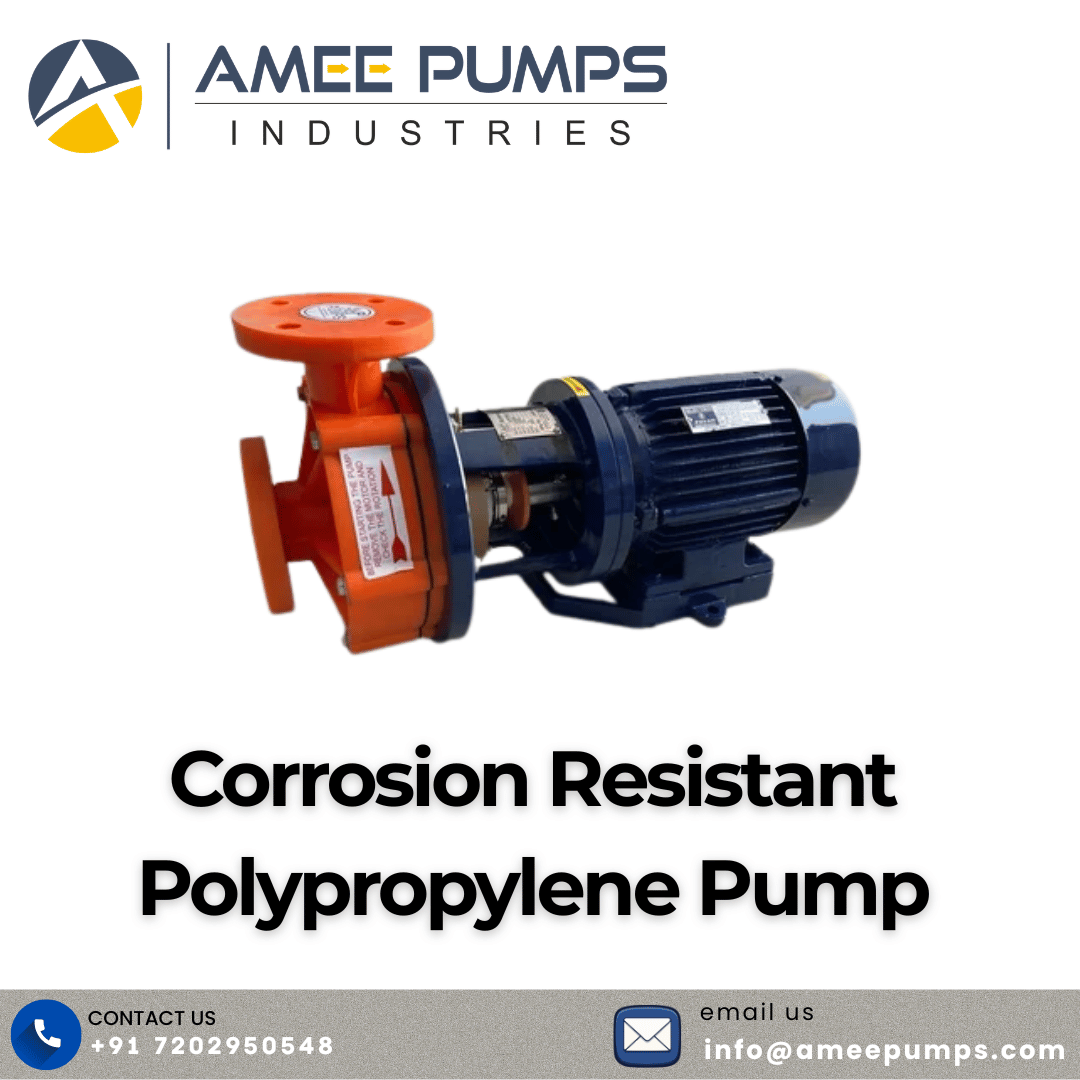
Corrosion Resistant Polypropylene Pump
In the realm of industrial fluid handling, particularly where aggressive chemicals and corrosive substances are prevalent, the choice of pump material is paramount. Standard metallic pumps often succumb to rapid degradation, leading to costly downtime, contamination, and safety hazards. This is where corrosion resistant polypropylene pumps emerge as a robust and cost-effective solution. Designed to withstand harsh environments, these specialized pumps offer reliability and longevity for a wide array of demanding applications.
Understanding Corrosion Resistant Polypropylene Pumps
Polypropylene (PP) pumps are engineered using high-grade polypropylene, a thermoplastic polymer renowned for its exceptional chemical resistance. Unlike metal alloys that can corrode when exposed to strong acids, alkalis, or industrial effluents, polypropylene maintains its structural integrity, ensuring a longer operational life and preventing fluid contamination. This makes them indispensable in industries where material compatibility is critical.
The design of these pumps is centered around durability and performance. Common configurations include centrifugal PP pumps and PP monoblock pumps. Centrifugal PP pumps are designed for smooth, continuous fluid transfer, making them ideal for circulation and loading applications where maintaining fluid purity and preventing leaks are top priorities. The monoblock design ingeniously integrates the pump and motor onto a single shaft. This consolidated design reduces mechanical vibration, simplifies maintenance by eliminating the need for coupling alignment, and minimizes the overall footprint of the equipment, contributing to a more stable and leak-resistant operation.
AMEE PUMPS INDUSTRIES leverages a technology-driven approach to design and manufacture these specialized pumps. Established in 2009 and based in Ahmedabad, Gujarat, India, the company focuses on precision and cost-effectiveness, aiming to provide dependable outcomes for complex fluid handling challenges in corrosive environments. Their commitment is to offer specialized fluid handling equipment that redefines industry standards, ensuring consistent execution and reliable performance.
Key Applications of PP Pumps
The versatility and chemical inertness of polypropylene make these pumps suitable for a diverse range of industrial processes:
- Chemical Transfer: Safely transferring highly corrosive acids (like Hydrochloric Acid at various concentrations) and strong alkalis without degradation.
- Effluent Treatment: Handling industrial wastewater, corrosive effluents, and sewage in treatment plants, ensuring equipment longevity and operational continuity.
- Chemical Manufacturing: Used in various stages of chemical production for transferring or circulating process fluids.
- Acid Dosing: Precise and safe dosing of acids in industrial processes.
- Electroplating and Metal Finishing: Circulating chemicals in electroplating baths and metal surface finishing processes where corrosive chemicals are standard.
- Pharmaceutical and Fine Chemicals: Handling sensitive fluids where purity and zero contamination are essential.
- General Fluid Circulation: For industrial applications requiring continuous and smooth flow of corrosive liquids.
These applications highlight the critical role corrosion resistant polypropylene pumps play in maintaining operational efficiency and safety across numerous sectors.
Advantages of Utilizing Polypropylene Pumps
Choosing a corrosion resistant polypropylene pump offers several distinct advantages:
- Exceptional Corrosion Resistance: Polypropylene's inherent resistance to a wide range of chemicals, acids, and alkalis prevents material degradation and extends pump life significantly.
- Leak-Proof Operation: The robust construction and often advanced sealing mechanisms contribute to leak-proof performance, crucial for hazardous environments.
- Low Maintenance: With fewer components, especially in monoblock designs, these pumps require less maintenance and are less prone to mechanical failures.
- Run-Dry Capability: Certain PP pump designs can operate dry without damaging the rotating parts, offering an added layer of operational flexibility and protection against accidental dry running.
- Cost-Effectiveness: While offering superior performance in corrosive environments, PP pumps often present a more economical choice compared to specialized alloy pumps for certain applications.
- Material Purity: The inert nature of polypropylene ensures that the pumped fluid remains uncontaminated, vital for pharmaceutical and fine chemical applications.
Selecting the Right Corrosion Resistant Polypropylene Pump
Choosing the appropriate PP pump involves considering several key factors to ensure optimal performance and longevity:
Buyer Insight:
Always verify the specific chemical compatibility and temperature limits for the exact grade of polypropylene used in the pump construction, as these can vary slightly between manufacturers and depending on the concentration of the fluid being handled.
Key Selection Criteria:
Chemical Compatibility:
Identify all chemicals to be pumped and their concentrations. Consult compatibility charts to ensure the PP grade can handle them without swelling, degradation, or loss of mechanical properties.
Temperature Range:
Standard PP pumps typically operate up to 70-80°C. Confirm the maximum operating temperature of the fluid and ensure it stays within the pump's specified limits.
Flow Rate & Head:
Determine the required flow rate (e.g., liters per minute or gallons per minute) and the total head (pressure) the pump needs to overcome.
System Requirements:
Consider factors like motor type, voltage, seal type (for aggressive chemicals, specific seals are crucial), and whether a monoblock or separate motor design is more suitable.
Essential Features to Look For:
- Premium Injection-Molded Casing and Impeller: Ensures dimensional accuracy and structural integrity for consistent performance.
- High-Grade Mechanical Seals: Crucial for preventing leaks, especially when handling aggressive chemicals.
- Dynamically Balanced Rotating Elements: Reduces vibration, noise, and wear, leading to smoother operation and longer life.
- Protective Shaft Sleeves: Prevents direct contact between the pumped fluid and the motor shaft, adding a layer of protection.
Trusted Solutions from AMEE PUMPS INDUSTRIES
Established in 2009, AMEE PUMPS INDUSTRIES, located in Ahmedabad, Gujarat, India, is dedicated to providing advanced fluid handling solutions. With a strong emphasis on a technology-driven approach, they design and manufacture a range of pumps, including specialized corrosion resistant polypropylene pumps. Their mission is to redefine industry standards by delivering precision-engineered, cost-effective, and dependable equipment.
AMEE PUMPS INDUSTRIES understands the critical need for reliable equipment in complex and fast-paced industrial environments. They focus on consistent execution and dependable outcomes, offering specialized fluid handling equipment tailored for corrosive applications. The company prides itself on delivering top-notch solutions designed for longevity and efficiency in demanding sectors.
Frequently Asked Questions
What makes polypropylene ideal for corrosive environments?
Polypropylene is a thermoplastic polymer with inherent chemical resistance to a broad spectrum of acids, alkalis, and industrial effluents that would quickly degrade standard metallic materials. This inertness prevents corrosion and extends the lifespan of the pump.
Can PP pumps handle high temperatures?
Standard polypropylene pumps generally handle fluid temperatures up to 70 to 80 degrees Celsius. However, the exact limit can depend on the specific chemical concentration and system pressure. It's important to verify the operating temperature against the pump's specifications.
What is a monoblock design in PP pumps?
A monoblock design integrates the pump and motor onto a single shaft. This eliminates the need for coupling, reduces overall size, minimizes vibration, and simplifies maintenance, leading to more stable and leak-resistant operation.
Are PP pumps suitable for handling pure water or sensitive chemicals?
Yes, the inert nature of polypropylene ensures that the pumped fluid remains free from contamination. This makes PP pumps an excellent choice for applications in the pharmaceutical, fine chemical, and semiconductor industries where fluid purity is critical.
How do I choose the correct PP pump for my application?
Selection involves understanding your fluid's chemical composition and concentration, the required operating temperature, the necessary flow rate and head, and specific system requirements like motor specifications and seal types. Consulting with the manufacturer for guidance is highly recommended.
Ready to Enhance Your Fluid Handling?
For reliable, cost-effective, and durable corrosion resistant polypropylene pumps, trust the expertise of AMEE PUMPS INDUSTRIES. We are committed to providing advanced solutions tailored to your specific industrial needs. Contact us today to discuss your requirements and find the perfect pump for your challenging applications.
Request a Solution Now