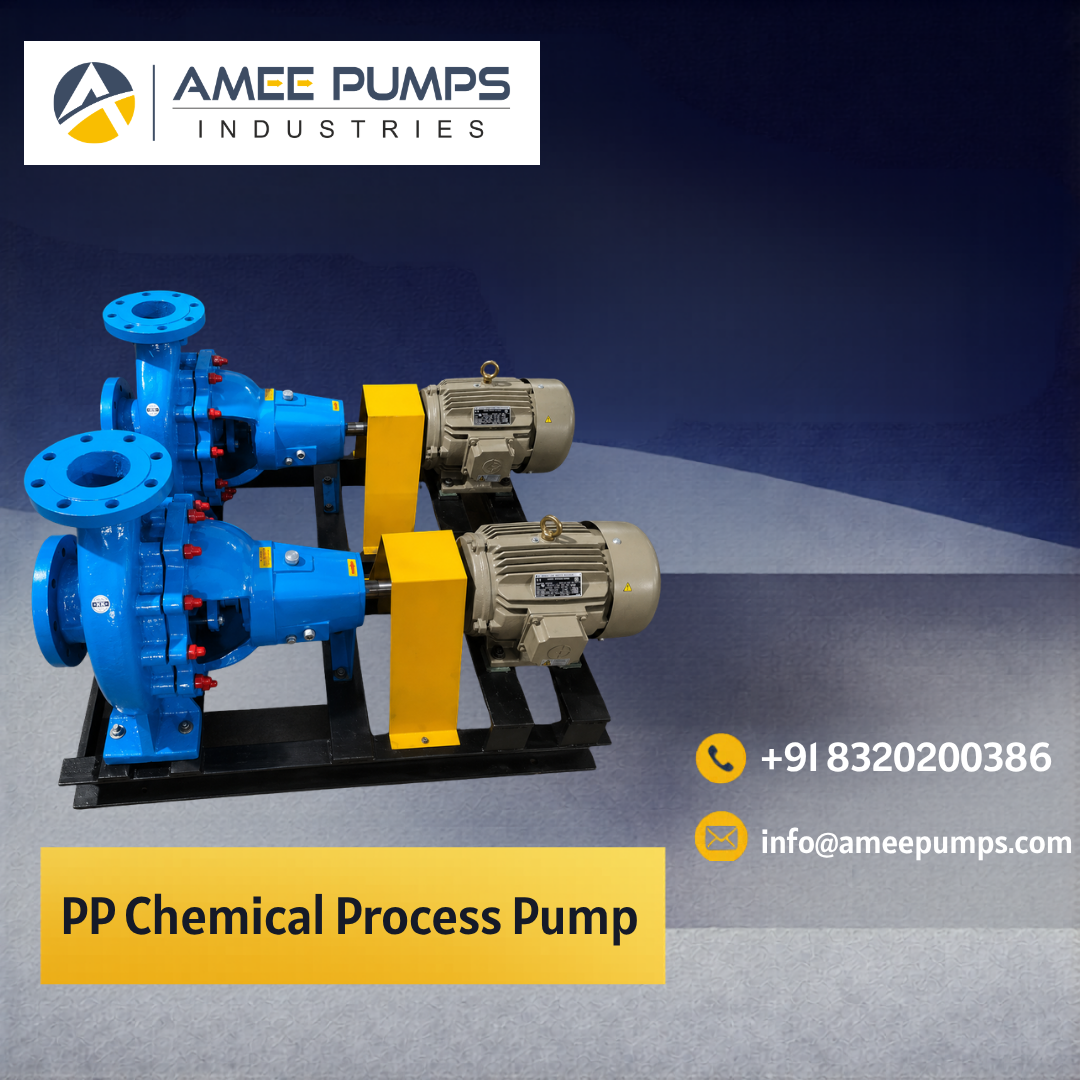
PP Chemical Process Pump
Discover high-performance PP Chemical Process Pumps in Ahmedabad. Amee Pumps Industries offers durable, efficient solutions for demanding chemical applications.
What is a PP Chemical Process Pump? — Overview
A PP chemical process pump, often constructed from Polypropylene (PP), is specifically engineered to handle a wide array of corrosive liquids. Polypropylene is a thermoplastic polymer known for its excellent resistance to acids, alkalis, solvents, and other aggressive chemicals. These pumps operate on principles similar to standard centrifugal pumps but utilize materials that prevent degradation when in contact with reactive substances. They are designed for reliable fluid transfer in chemical processing, where material compatibility is a primary concern.
Key Features and Technical Specifications
- Material of Construction (MOC): Primarily Polypropylene (PP) for wetted parts, offering superior chemical resistance.
- Head Range: Typically designed for heads from 10 to 100 meters, suitable for various process requirements.
- Capacity: Capable of handling flow rates up to 300 m³/hr, accommodating moderate to high volume transfers.
- Discharge Size: Available in discharge sizes ranging from 25 MM to 200 MM to match pipeline requirements.
- Mechanical Seal Options: Offered with both single and double mechanical seals for enhanced leak prevention and extended service life, depending on the application's criticality.
- Motor Speed (RPM): Available in standard RPM configurations such as 1450 and 2880, allowing for selection based on desired flow and head characteristics.
- Robust Casing: Designed with a sturdy casing to withstand operational pressures and external impacts.
Industrial Applications and Use Cases
- Chemical Manufacturing: Transferring acids, bases, solvents, and intermediate products during synthesis.
- Pharmaceutical Industry: Handling purified water, solvents, and active pharmaceutical ingredients (APIs) where purity and chemical inertness are crucial.
- Textile Dyeing and Finishing: Pumping dyes, bleaching agents, and various treatment chemicals.
- Petrochemical Plants: Moving specific process chemicals, additives, and by-products.
- Water and Wastewater Treatment: Dosing chemicals for pH adjustment, disinfection, and flocculation.
- Food and Beverage Processing: Transferring food-grade acids, cleaning solutions, and processing aids where material compatibility is key.
- Fertilizer Production: Handling corrosive raw materials and intermediate compounds.
How to Choose the Right PP Chemical Process Pump
Selecting the appropriate PP chemical process pump is a decision that requires careful consideration of several factors to ensure optimal performance and longevity.
- Fluid Characteristics: Thoroughly understand the chemical composition, concentration, temperature, and viscosity of the fluid to be pumped. This is the most critical factor for material compatibility.
- Flow Rate and Head Requirements: Accurately determine the required flow rate (m³/hr) and the total dynamic head (TDH) the pump needs to overcome, including static lift, friction losses, and pressure.
- Operating Temperature: Ensure the PP material and mechanical seal can withstand the maximum operating temperature of the fluid.
- System Pressure: Verify that the pump casing and seals can handle the maximum system pressure.
- Seal Type: Choose between single or double mechanical seals based on the fluid's hazardous nature, operating conditions, and safety requirements. Double seals offer superior protection against leakage.
- Motor Specifications: Select an appropriate motor based on power requirements, voltage, phase, and enclosure type (e.g., TEFC for dusty environments).
- Certifications and Standards: Confirm that the pump meets relevant industry standards (e.g., ISO, ANSI, DIN) and any specific compliance requirements for your application.
- Supplier Reputation and Support: Partner with a reputable manufacturer or supplier with a proven track record in chemical pump technology and reliable after-sales service.
Quality Standards and Compliance
For chemical process pumps, adherence to stringent quality standards is non-negotiable. Manufacturers like Amee Pumps Industries prioritize compliance with international and national standards to ensure safety, reliability, and performance. Key standards to look for include ISO 9001 for quality management systems, which indicates a commitment to consistent product quality and customer satisfaction. While specific standards for PP pumps can vary, the materials used should comply with chemical resistance guidelines, and the manufacturing processes should align with general pump industry best practices. Buyers should verify that the pump's design and construction are suitable for the intended chemical service and that the supplier can provide documentation supporting material traceability and performance testing.
Why Amee Pumps Industries' Experience and Capability Matters
At Amee Pumps Industries, our extensive experience in designing and manufacturing chemical process pumps, including those made from Polypropylene, forms the bedrock of our capability. We understand the unique challenges posed by corrosive fluids and have honed our manufacturing processes to deliver pumps that offer exceptional durability and performance. Our technical team possesses deep expertise in material science and fluid dynamics, enabling us to select the optimal materials and configurations for diverse chemical applications.
We employ advanced manufacturing techniques and rigorous quality control measures at every stage, from raw material sourcing to final product inspection. This meticulous approach ensures that each PP chemical process pump leaving our facility meets precise specifications and performs flawlessly under demanding conditions. Our commitment extends beyond manufacturing; we offer comprehensive support, including application engineering assistance and responsive after-sales service, ensuring our clients in Ahmedabad and beyond receive reliable solutions tailored to their specific needs.
Installation, Maintenance, and Care Tips
Proper installation and regular maintenance are crucial for maximizing the lifespan and performance of your PP chemical process pump.
Installation
Ensure the pump is installed on a solid, level foundation to minimize vibration.
Align the pump and motor shafts accurately to prevent premature wear on seals and bearings.
Connect piping carefully, avoiding undue stress on the pump casing. Ensure all connections are leak-free.
For pumps with mechanical seals, follow the manufacturer's specific lubrication and priming instructions before startup.
Maintenance
Regularly inspect the pump for any signs of leakage, unusual noise, or vibration.
Check the mechanical seal for wear or damage during scheduled maintenance intervals. Replace seals as recommended by the manufacturer.
Monitor bearing lubrication and replenish or replace as needed.
Keep the pump and surrounding area clean to prevent contamination and facilitate inspection.
Periodically check motor performance and electrical connections.
Care Tips
Never run the pump dry, as this can damage the mechanical seal and impeller.
Avoid pumping fluids outside the specified chemical resistance or temperature range of the PP material.
Ensure adequate ventilation around the pump and motor.
- Follow a documented preventive maintenance schedule based on operating hours and application severity.
Frequently Asked Questions
PP chemical process pumps are highly resistant to a broad spectrum of chemicals, including strong acids (like sulfuric acid, hydrochloric acid), alkalis (like sodium hydroxide), salts, and many organic solvents. However, it's crucial to verify compatibility with specific chemicals, especially at elevated temperatures or concentrations, as some aggressive organic solvents can affect PP.
Sizing involves calculating the required flow rate in cubic meters per hour (m³/hr) and the total dynamic head (TDH) in meters. TDH accounts for static lift, friction losses in the piping system, and any system pressure. Consulting a pump manufacturer's performance curves or an application engineer is recommended for accurate sizing.
A single mechanical seal provides a primary sealing barrier. A double mechanical seal uses two seals with a barrier fluid in between. This offers enhanced protection against leakage, especially for hazardous, abrasive, or high-temperature fluids, and is often required for safety and environmental compliance.
Polypropylene has a moderate temperature resistance, typically up to around 80-90°C, depending on the specific grade and load. For applications exceeding this range, alternative materials like PVDF, PTFE, or specialized alloys might be necessary. Always check the material's temperature limitations for your specific fluid.
Routine maintenance includes visual inspections for leaks, unusual noises, or vibrations. Key components to monitor are the mechanical seal and bearings. Depending on operating conditions, seals may need replacement periodically, and bearings require lubrication. Following the manufacturer's recommended maintenance schedule is essential.
To ensure longevity, always operate the pump within its specified parameters for flow, head, temperature, and chemical compatibility. Avoid dry running, ensure proper alignment during installation, and adhere to a strict preventive maintenance schedule. Promptly addressing any signs of wear or leakage will prevent minor issues from becoming major failures.
Conclusion
For industries in Ahmedabad and across Gujarat that handle corrosive and aggressive fluids, selecting the right PP chemical process pump is a critical decision impacting operational efficiency, safety, and environmental compliance. Understanding the specific chemical properties, required performance metrics, and material compatibility is paramount. Amee Pumps Industries offers robust, high-quality PP chemical process pumps engineered for reliability in demanding environments. By prioritizing correct sizing, material selection, adherence to quality standards, and partnering with experienced manufacturers, businesses can ensure their fluid transfer operations are secure and efficient.
---
Get In Touch
Amee Pumps Industries
